Natural Probiotics for Dogs: Homemade Foods, Recipes and Health Benefits
· by Glendon Lloyd
Summary
Natural probiotics offer dog owners a cost-effective, ingredient-controlled way to support their dog’s gut microbiome through everyday foods. This article covers the most effective natural probiotic foods for dogs, including kefir, plain yoghurt, fermented vegetables, and miso, explaining the bacterial strains each provides and how they act on the canine gut. Condition-specific recipes are included for dogs with itchy skin, allergies, and diarrhoea, with dosing guidance by body weight. A step-by-step preparation guide covers home fermentation methods and storage. The article also addresses the key clinical question: when homemade probiotics are sufficient and when a targeted supplement is warranted. A comprehensive FAQ draws on peer-reviewed research to answer the most common owner questions. Probiotic strains referenced include Lactobacillus, Bifidobacterium, Bacillus, and Enterococcus genera.
Key Takeaways
Natural probiotics work through food, not supplements alone. Fermented foods including kefir, plain yoghurt, and sauerkraut deliver live bacterial strains that support the canine gut microbiome when served correctly.
Different foods provide different strains. Kefir delivers broad bacterial diversity, yoghurt provides Lactobacillus and Bifidobacterium, and fermented vegetables add fibre alongside probiotic bacteria. Rotating sources broadens microbiome support.
Recipes can be matched to your dog’s condition. Formulations differ depending on whether the goal is itchy skin relief, diarrhoea management, or general gut maintenance. The condition-specific recipes in this article cover all three.
Homemade and commercial probiotics serve different roles. Homemade options provide bacterial diversity and food-matrix protection. Targeted supplements provide strain-specific dosing for acute or chronic gut conditions. The optimal approach for many dogs combines both.
The Most Effective Natural Probiotic Foods for Dogs, Ranked by Bacterial Diversity
Not all probiotic foods deliver the same bacterial strains or the same microbial diversity. The options below are the most practical and consistently effective for daily use in dogs, from the broadest-spectrum source to more targeted options.
Comprehensive List of Probiotic Foods and Their Strains
Each food below provides a distinct bacterial profile. Rotating between sources, or combining two or three in the same week, delivers broader microbiome support than relying on a single food.
Kombucha contains alcohol – typically between 0.5% and 3% ABV depending on fermentation time and brand. Dogs are significantly more sensitive to alcohol than humans, and even small quantities can cause toxicity, particularly in smaller breeds.
If you choose to offer kombucha, use only commercially produced, clearly labelled low-alcohol versions (under 0.5% ABV), offer no more than a teaspoon for small dogs or a tablespoon for large dogs, and discontinue immediately if any signs of lethargy, loss of coordination, vomiting, or disorientation appear.
A safer alternative: Kefir and lacto-fermented vegetables provide equivalent or superior probiotic benefits with no alcohol risk and are the preferred options for regular supplementation. Consult your veterinarian before offering kombucha to puppies, small breeds, senior dogs, or dogs with liver conditions.
Homemade Probiotics for Dogs with Allergies
Probiotics reduce allergy symptoms in dogs by correcting the gut dysbiosis that drives systemic inflammation and by modulating the immune responses that trigger allergic reactions. The recipe below combines a high-diversity probiotic base with anti-inflammatory food sources to address both mechanisms simultaneously.
Recipe: Probiotic Pumpkin Blend
Ingredients: 1 cup plain kefir, ½ cup pureed pumpkin, 1 teaspoon turmeric powder.
Method: Mix all ingredients thoroughly. Serve 1-2 tablespoons daily based on your dog’s size.
Probiotics restore gut balance and combat harmful pathogens, making them an effective remedy for diarrhoea.
Recipe: Fermented Rice Water
Ingredients: 1 cup cooked white rice, 2 cups water.
Method: Let the mixture sit at room temperature for 24-48 hours until lightly fermented. Strain and serve 1-2 tablespoons.
Benefits: Fermented rice water soothes the gut and restores hydration while introducing beneficial bacteria.
Homemade Probiotics for Dogs with Itchy Skin
Probiotics reduce skin inflammation and support barrier function through the gut-skin axis, making consistent supplementation one of the most evidence-backed nutritional interventions for itchy dogs..
Recipe: Berry-Kefir Smoothie
Ingredients: ½ cup plain kefir, ¼ cup blueberries, 1 teaspoon flaxseed oil.
Method: Blend ingredients until smooth. Serve as a treat or meal topper.
Benefits: Blueberries provide antioxidants, kefir introduces probiotics, and flaxseed oil reduces skin inflammation.
You Can Prepare Effective Homemade Probiotics for Your Dog Using Three Simple Methods, with No Specialist Equipment Required
Homemade probiotics are easy to prepare and allow for ingredient customisation. Here are general tips and a versatile recipe:
Key Preparation Guidelines Before You Start
The following guidelines apply to all fermented food preparation for dogs and will help you produce safe, bacteria-rich results from your first batch.
Always use dog-safe ingredients.
Introduce probiotics gradually to avoid digestive upset.
Store fermented foods in the refrigerator to maintain freshness.
Versatile Fermented Vegetable Recipe: Suitable for All Dog Sizes and Health Conditions
Ingredients: 1 cup shredded carrots, 1 cup shredded cabbage, 2 teaspoons sea salt, water.
Method:
Place vegetables in a jar and add salt.
Fill the jar with water to cover the vegetables.
Seal loosely and let ferment at room temperature for 5-7 days.
Store in the refrigerator.
Serving: Offer 1 teaspoon for small dogs or 1 tablespoon for larger dogs as a topper.
Homemade Probiotics for Dogs: Comprehensive FAQ
This FAQ addresses the most common questions dog owners have about homemade probiotics, from preparation and storage to safety and specific health applications. Answers draw on peer-reviewed research and clinical veterinary practice.
What are homemade probiotics and how do they work in your dog’s gut?
What are probiotics for dogs?
Probiotics are live microorganisms that, when consumed in adequate amounts, confer health benefits to the host. In dogs, these beneficial bacteria and yeasts colonise the gastrointestinal tract, where they perform essential functions including nutrient synthesis, pathogen exclusion, and immune system modulation. The most commonly used probiotic genera for dogs include Lactobacillus, Bifidobacterium, Bacillus, and Enterococcus, each offering distinct mechanisms of action. Unlike prebiotics, which serve as food for beneficial bacteria, probiotics are the living organisms themselves. A healthy canine gut microbiome contains trillions of microorganisms working synergistically to maintain digestive function, produce vitamins, regulate metabolism, and communicate with other organ systems through what scientists term the gut-organ axes.
What do probiotics actually do in a dog’s digestive system?
Probiotics exert their beneficial effects through multiple interconnected mechanisms. They compete with pathogenic bacteria for adhesion sites on the intestinal epithelium and for available nutrients, effectively crowding out harmful organisms. Probiotic bacteria produce antimicrobial compounds including bacteriocins, organic acids, and hydrogen peroxide that inhibit pathogen growth. They strengthen the intestinal barrier by promoting tight junction protein expression, reducing intestinal permeability often referred to as “leaky gut.” Probiotics modulate immune responses by interacting with gut-associated lymphoid tissue (GALT), which contains approximately 70% of the body’s immune cells.² This GALT concentration is the basis of the gut-immune axis. They ferment dietary fibre to produce short-chain fatty acids (SCFAs) such as butyrate, propionate, and acetate, which serve as energy sources for colonocytes and exert anti-inflammatory effects. Additionally, certain probiotic strains synthesise B vitamins and vitamin K, contributing to overall nutritional status.
What is the difference between homemade and commercial probiotics for dogs?
Homemade probiotics are fermented foods prepared at home using traditional methods, whilst commercial probiotics are manufactured supplements with standardised bacterial concentrations. Homemade options like kefir, yoghurt, and fermented vegetables contain diverse bacterial communities that develop naturally during fermentation, often including multiple strains not found in commercial products. Commercial probiotic alternatives typically contain specific, researched strains with guaranteed colony-forming unit (CFU) counts and established stability profiles. Homemade probiotics provide bacteria within a food matrix that may enhance survival through the digestive tract, whilst commercial products offer convenience, consistent dosing, and often include strains specifically studied for canine applications. The fermentation process in homemade probiotics also produces beneficial metabolites including organic acids, enzymes, and bioactive peptides that aren’t present in many commercial supplements.
Are homemade probiotics better than commercial probiotic supplements for dogs?
Both options offer distinct advantages depending on your priorities and your dog’s specific needs. Homemade probiotics typically contain higher bacterial diversity and counts, provide natural food-matrix protection that improves bacterial survival through digestion, and allow complete control over ingredients. They’re also significantly more cost-effective long-term. The best probiotic supplements for dogs offer standardised CFU counts ensuring consistent dosing, contain strains specifically researched for canine health conditions, provide convenient storage and administration, and often include stability-tested formulations with longer shelf lives. For many dogs, the optimal approach combines both, daily homemade probiotics for baseline microbiome support supplemented with targeted commercial formulations during specific health challenges like antibiotic recovery, acute digestive upset, or allergy flares.
Those targeted commercial formulations are exactly what a standardised synbiotic such as Bonza Biotics provides, pairing defined-dose prebiotics, probiotics and postbiotics to complement homemade ferments during flare-ups.
Are homemade probiotics safe for dogs, and are there any risks to know about?
Are homemade probiotics safe for dogs?
Yes, homemade probiotics are safe for most dogs when prepared correctly with dog-appropriate ingredients and introduced gradually to the diet. The fermentation process itself creates an acidic environment inhospitable to harmful bacteria, making properly fermented foods naturally safe. Key safety considerations include using fresh, high-quality ingredients, maintaining proper fermentation temperatures and times, storing finished products correctly in refrigeration, and avoiding ingredients toxic to dogs such as onions, garlic, grapes, and xylitol. Introducing probiotics slowly over 5-7 days allows the gut microbiome to adapt without significant digestive upset. Dogs with severely compromised immune systems or those receiving immunosuppressive therapy should only receive probiotics under direct veterinary supervision, as even beneficial bacteria could potentially cause issues in immunocompromised animals.
Are there risks to homemade probiotics?
Risks associated with homemade probiotics are minimal when proper food safety practices are followed, but potential concerns exist. Improper fermentation, such as insufficient salt concentration in vegetable ferments or contaminated starter cultures, could allow harmful bacteria to proliferate instead of beneficial strains. Introducing probiotics too quickly may cause temporary digestive upset including loose stools, increased gas, or mild bloating as the microbiome adjusts. Using ingredients toxic to dogs represents a significant risk if proper research isn’t conducted beforehand. Spoiled or over-fermented foods can cause gastrointestinal distress. Dogs with specific health conditions including severe pancreatitis, immunosuppression, or small intestinal bacterial overgrowth (SIBO) may require modified approaches or veterinary guidance. However, for healthy dogs receiving properly prepared fermented foods at appropriate portions, adverse effects are uncommon.
Can puppies have homemade probiotics?
Puppies over 8 weeks of age can safely consume homemade probiotics, though they require appropriately adjusted portions, typically one-quarter to one-half of adult doses depending on body weight. Probiotic supplementation during puppyhood supports healthy gut colonisation during this critical developmental window when the microbiome is establishing itself. Early probiotic exposure may strengthen immune system development and reduce susceptibility to digestive issues later in life. Kefir diluted with water is particularly well-suited for puppies due to its mild flavour, smooth texture, and digestibility. Avoid fermented foods with significant salt content for young puppies, as their kidneys are still developing sodium handling capacity. Introduce any new food gradually over 5-7 days whilst monitoring stool quality and overall wellbeing, and consult your veterinarian before supplementing very young puppies or those with underlying health conditions.
Are homemade probiotics safe for senior dogs?
Homemade probiotics are not only safe but particularly beneficial for senior dogs. Ageing naturally reduces gut microbiome diversity, a condition called dysbiosis, which is associated with increased systemic inflammation, weakened immune function, reduced nutrient absorption, and accelerated cognitive decline. Probiotic supplementation can help restore microbial balance and counteract these age-related changes. Senior dogs often have more sensitive digestive systems, making the gentle, food-based delivery of homemade probiotics advantageous over some commercial supplements. Kefir and plain yoghurt are especially suitable for older dogs due to their smooth texture and easy digestibility. Fermented vegetables provide additional fibre that supports declining digestive motility common in senior dogs. Start with smaller portions than you would for younger adults and increase gradually, allowing the aged digestive system adequate time to adapt.
Can dogs with pancreatitis have homemade probiotics?
Dogs with pancreatitis can benefit from homemade probiotics, though careful ingredient selection is essential. The pancreas is exquisitely sensitive to dietary fat, meaning high-fat probiotic options like full-fat kefir or Greek yoghurt should be strictly avoided during both acute episodes and long-term management. Non-fat or low-fat plain yoghurt provides probiotic benefits without triggering pancreatic inflammation. Water-based fermented vegetable brine offers another low-fat alternative, the liquid contains beneficial bacteria without the vegetable fibre that might stress a sensitive system. Some research suggests probiotics may actually support pancreatic recovery by reducing gut-derived inflammation and improving nutrient absorption. During acute pancreatitis episodes, withhold all oral intake until your veterinarian approves refeeding, then reintroduce probiotics gradually as part of a carefully managed dietary recovery plan.
Are homemade probiotics safe for dogs with kidney disease?
Dogs with chronic kidney disease (CKD) can consume homemade probiotics with appropriate modifications. The primary concern is sodium content, as compromised kidneys struggle to excrete excess sodium, potentially worsening hypertension and fluid retention common in CKD. Traditional sauerkraut, kimchi, and miso paste contain significant salt and should be avoided. Low-sodium fermented vegetables prepared with minimal salt or salt alternatives, as well as unsalted kefir or yoghurt, provide safer options. Interestingly, certain probiotic strains may benefit kidney function by reducing uraemic toxin production in the gut, bacteria can metabolise compounds that would otherwise burden the kidneys. Additionally, dairy-based probiotics contain phosphorus, which requires restriction in advanced kidney disease; plant-based ferments like water kefir or vegetable ferments offer lower-phosphorus alternatives for dogs requiring phosphorus restriction.
Can I give my dog homemade probiotics while they’re on antibiotics?
Yes, and probiotic supplementation during antibiotic therapy is highly recommended. Antibiotics indiscriminately eliminate both pathogenic and beneficial bacteria, frequently causing dysbiosis and antibiotic-associated diarrhoea. Concurrent probiotic administration helps maintain gut bacterial populations, reduces digestive side effects, and may even enhance antibiotic efficacy against target pathogens. The critical consideration is timing: administer probiotics at least 2-3 hours before or after antibiotic doses to prevent the medication from immediately killing the beneficial bacteria. This allows probiotics to establish themselves in the gut between antibiotic exposures. Continue probiotic supplementation for at least 2-4 weeks after completing the antibiotic course to support full microbiome recovery, research indicates gut bacterial populations can take weeks to months to fully normalise following antibiotic treatment.⁵
Can pregnant or nursing dogs have homemade probiotics?
Homemade probiotics are safe and potentially advantageous for pregnant and nursing dogs. Maternal probiotic consumption may support healthy gut colonisation in puppies through several mechanisms: beneficial bacteria can cross the placenta to influence foetal immune development, pass through birth canal exposure during whelping, and transfer through nursing in maternal milk. Kefir and plain yoghurt provide additional calcium, a nutrient with significantly increased demands during pregnancy and lactation. The key precaution is ensuring all ingredients are exceptionally fresh and properly prepared, as foodborne illness poses heightened risk during pregnancy. Avoid unpasteurised products of uncertain provenance and ensure fermented foods are properly refrigerated and consumed within appropriate timeframes. If your pregnant or nursing dog has not previously consumed probiotics, introduce them gradually well before whelping rather than during the peripartum period.
Do small dogs need different homemade probiotics than large dogs?
Small and large dogs benefit from the same probiotic foods and bacterial strains, the difference lies exclusively in portion size. A Chihuahua and a Great Dane both benefit from Lactobacillus acidophilus and Bifidobacterium species; only the quantity administered differs. Small dogs under 10kg typically require 1-2 teaspoons of kefir or yoghurt, whilst dogs over 25kg can receive 2-4 tablespoons. Smaller breeds often have proportionally more sensitive digestive systems and faster metabolisms, making gradual introduction even more important, begin with half the recommended starting dose and increase slowly. For fermented vegetables, small dogs need only ½ to 1 teaspoon as a meal topper, whilst large breeds can have 1-2 tablespoons. The probiotic strains beneficial for gut health remain consistent across sizes; adjust quantity based on body weight using the guideline of approximately 1 teaspoon per 5kg of body weight as a starting point.
Are certain dog breeds more likely to benefit from homemade probiotics?
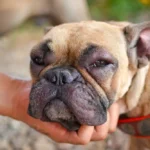
Whilst all dogs can benefit from probiotic support, certain breeds predisposed to allergies, skin conditions, or digestive sensitivities often show particularly pronounced improvements. Breeds with high allergy prevalence including French Bulldogs, English Bulldogs, West Highland White Terriers, Golden Retrievers, Labrador Retrievers, Boxers, German Shepherds, and Shar-Peis frequently demonstrate significant skin and coat improvements with consistent probiotic supplementation. Brachycephalic breeds (flat-faced dogs) prone to digestive issues from aerophagia, swallowing air due to their facial conformation, may experience reduced bloating and gas. Breeds susceptible to inflammatory bowel disease, such as German Shepherds and Boxers, often benefit from microbiome support. Giant breeds with shorter lifespans may gain longevity benefits from the anti-inflammatory effects of a healthy microbiome. However, regardless of breed, any dog experiencing allergies, recurring digestive upset, skin issues, or frequent infections may benefit substantially from probiotic incorporation into their diet.
Which probiotic foods and ingredients are most effective for dogs?
What are the best probiotic foods for dogs?
The most effective probiotic foods for dogs include kefir, plain unsweetened yoghurt, fermented vegetables, and to a lesser extent, small amounts of miso paste and kombucha (see caution note re alcohol). Kefir stands out as the optimal choice due to its exceptional bacterial diversity, containing up to 61 different bacterial and yeast strains including Lactobacillus kefiranofaciens, Lactobacillus acidophilus, and Bifidobacterium bifidum. Plain yoghurt, whilst containing fewer strains (primarily Lactobacillus bulgaricus and Streptococcus thermophilus), offers good digestibility and palatability. Fermented vegetables such as sauerkraut and fermented carrots provide Lactobacillus plantarum and Leuconostoc mesenteroides along with beneficial fibre. Each probiotic food offers distinct strain profiles, so rotating between options or combining multiple sources provides the broadest microbiome support. Always choose unsweetened, unflavoured versions without artificial additives, and ensure any dairy products are well-tolerated before regular supplementation.
Can dogs have coconut milk kefir instead of dairy kefir?
Coconut milk kefir provides an excellent dairy-free alternative for dogs with lactose intolerance, dairy allergies, or sensitivities. When fermented using traditional kefir grains, coconut kefir develops similar probiotic populations to dairy kefir, including Lactobacillus and Bifidobacterium species, though the exact strain profile may differ slightly due to the different substrate. Coconut kefir offers additional benefits including medium-chain triglycerides (MCTs) that support cognitive function, provide easily digestible energy, and possess antimicrobial properties. The lauric acid in coconut has demonstrated antibacterial, antiviral, and antifungal activities. Ensure the coconut milk used contains no added sweeteners, gums, or preservatives before fermenting, full-fat canned coconut milk works well, though some dogs may find it too rich and benefit from dilution. Fermentation times may differ slightly from dairy kefir, typically requiring 24-48 hours at room temperature.
Is goat milk kefir better than cow milk kefir for dogs?
Goat milk kefir offers several potential advantages over cow milk kefir, particularly for dogs with digestive sensitivities. Goat milk contains smaller fat globules and different casein protein structures (predominantly A2 beta-casein versus the A1 found in most cow milk) that many dogs digest more easily. The smaller fat molecules don’t require as much enzymatic breakdown, reducing digestive burden. Goat milk also contains slightly higher levels of certain nutrients including vitamin A, potassium, and some B vitamins. Many dogs showing mild intolerance to cow dairy tolerate goat dairy without issue, the different protein structure is less likely to trigger sensitivities. However, both goat and cow kefir provide comparable probiotic benefits in terms of bacterial diversity and CFU counts. The optimal choice depends on individual tolerance; if your dog digests cow milk kefir without issues, both options deliver equivalent microbiome support.
Can I use apple cider vinegar instead of fermented vegetables for probiotics?
Unpasteurised apple cider vinegar (ACV) with visible “mother”, the cloudy sediment of beneficial bacteria and enzymes, contains some probiotic value but should not replace dedicated fermented foods. ACV primarily contains Acetobacter bacteria rather than the Lactobacillus strains predominant in fermented vegetables and kefir, offering a narrower spectrum of microbiome support. The bacterial counts in ACV are generally lower than in actively fermented foods. However, ACV can complement a probiotic regimen through its prebiotic effects (the pectin from apples feeds beneficial bacteria), organic acid content that supports digestive pH, and potential antimicrobial properties. If incorporating ACV, dilute ½ to 1 teaspoon in your dog’s water bowl or mix into food to prevent throat irritation from the acidity. For comprehensive probiotic support, use ACV alongside, not instead of, probiotic-rich fermented foods.
What vegetables should I avoid when making fermented vegetables for dogs?
Several vegetables pose toxicity risks for dogs and must be excluded from any fermented preparations. The allium family – onions, garlic, leeks, chives, shallots, and scallions, contains compounds that damage canine red blood cells, causing oxidative haemolysis. These compounds become more concentrated during fermentation, increasing toxicity. Avoid high-oxalate vegetables including spinach, rhubarb, and beetroot greens for dogs prone to calcium oxalate urinary stones. Nightshade vegetables including raw tomatoes, raw potatoes (especially green portions), and aubergine contain solanine glycoalkaloids that can cause gastrointestinal and neurological symptoms. Vegetables safe and beneficial for fermentation include carrots, cabbage, green beans, cucumbers, courgette, cauliflower, and broccoli stems. Beetroot (the root, not greens) ferments well and provides antioxidants, though it will colour stools temporarily. Always research any vegetable’s safety for dogs before including it in fermented preparations.
Can I add herbs to homemade probiotics for dogs?
Certain culinary and medicinal herbs complement homemade probiotics and provide synergistic health benefits. Ginger (Zingiber officinale) supports digestive motility, reduces nausea, and provides anti-inflammatory effects. Turmeric (Curcuma longa) offers potent anti-inflammatory properties that synergise beautifully with probiotic gut-healing effects. Fresh parsley provides chlorophyll, freshens breath, and contains antioxidants. Peppermint and chamomile both soothe digestive discomfort and may reduce intestinal spasms. When adding herbs, use approximately ¼ teaspoon dried or ½ teaspoon fresh per serving. Herbs to avoid include nutmeg (contains myristicin, toxic to dogs), concentrated oregano oil (can cause gastrointestinal irritation), pennyroyal (liver toxic), and large amounts of garlic despite its common use in human ferments. Always research herb safety specifically for canines, as dogs metabolise plant compounds differently than humans.
Can I make homemade probiotics if I don’t have kefir grains?
Several effective homemade probiotic options require no starter cultures whatsoever. Lacto-fermented vegetables rely entirely on naturally occurring Lactobacillus bacteria present on vegetable surfaces, simply submerging vegetables in appropriately salted water (approximately 2% salt by weight) creates conditions favouring beneficial bacterial growth whilst inhibiting pathogens. Fermented rice water develops probiotic properties through ambient fermentation without added cultures. For kefir specifically, commercial plain kefir containing live active cultures can sometimes serve as a starter to ferment fresh milk, though results vary and the culture may not perpetuate indefinitely like true kefir grains. Water kefir grains, which ferment sugar water rather than dairy, are inexpensive (typically £5-15), widely available online, and reproduce readily with proper care. Alternatively, some health food shops and fermentation communities share or sell dairy kefir grains.
How should you store and prepare homemade probiotics to preserve bacterial viability?
How long do homemade probiotics for dogs last in the fridge?
Storage duration varies by probiotic type but proper refrigeration at 4°C or below is essential for all fermented foods. Dairy kefir maintains optimal potency for 2-3 weeks refrigerated, though it remains safe to consume for up to 4 weeks with gradually diminishing probiotic viability. Plain yoghurt follows similar timelines. Fermented vegetables stored submerged in their brine remain fresh for 4-6 weeks, sometimes longer, though probiotic counts decline over time. Signs indicating spoilage include off-putting or “wrong” odours distinct from the normal tangy fermentation smell, visible mould on surfaces, unusual discolouration, or excessive fizzing in products that shouldn’t effervesce. Always use clean utensils when serving to prevent introducing contaminants that accelerate spoilage. Smaller batch sizes ensure fresher products with higher bacterial viability, so consider your dog’s consumption rate when deciding fermentation quantities.
Can I freeze homemade probiotics for my dog?
Freezing fermented foods is possible but significantly compromises probiotic viability. Research indicates freezing can reduce live bacterial counts by 10-50% depending on the specific strains, some Lactobacillus species demonstrate reasonable freeze tolerance whilst Bifidobacterium strains typically suffer greater losses. The freeze-thaw process damages bacterial cell membranes and disrupts cellular structures. If freezing is necessary, ice cube trays provide convenient portion control. Thaw frozen probiotics in the refrigerator rather than at room temperature or in warm water, which causes additional bacterial death. Fermented vegetables particularly suffer textural degradation when frozen, becoming soft and mushy upon thawing, though some probiotic benefit remains. For optimal probiotic delivery, prepare smaller fresh batches rather than freezing large quantities. If your schedule demands batch preparation, refrigerated storage significantly outperforms freezing for maintaining viable bacterial populations.
What temperature kills probiotics in homemade dog food?
Probiotic bacteria are heat-sensitive organisms that begin dying at temperatures above 45-50°C, with most beneficial strains completely inactivated above 60°C. This thermal sensitivity has important practical implications: never add probiotic foods to warm meals, and always ensure cooked food has cooled to room temperature before mixing in kefir, yoghurt, or fermented vegetables. Microwaving probiotic foods destroys bacterial populations almost instantaneously due to uneven heating that creates hot spots. Even “warm” water from the tap (typically 40-50°C) may reduce bacterial viability if used to dilute kefir for puppies or palatability purposes. For optimal bacterial survival, maintain probiotic foods at refrigerator temperature (2-8°C) until serving, and serve them at cool or room temperature. Cold storage dramatically slows bacterial metabolism, preserving viability until consumption.
How much probiotic food should you give your dog, and when is the best time to serve it?
How often should I give my dog homemade probiotics?
Daily supplementation provides the most consistent and beneficial results for gut microbiome support. The canine digestive tract is a dynamic ecosystem with continuous bacterial turnover, consumed probiotics don’t permanently colonise but rather provide temporary beneficial effects whilst transiting the system. Daily administration maintains steady probiotic populations and sustained microbiome support. Portion sizes should scale with body weight: small dogs under 10kg typically benefit from 1-2 teaspoons of kefir or yoghurt daily, medium dogs (10-25kg) from 1-2 tablespoons, and large dogs over 25kg from 2-4 tablespoons. For fermented vegetables, offer approximately half these volumes due to their higher salt and fibre content. Some dogs benefit from twice-daily smaller portions rather than one larger daily serving, particularly those with sensitive digestion. Consistency matters more than precise timing, establish a sustainable routine you can maintain long-term.
How long does it take for homemade probiotics to work in dogs?
The timeline for observable benefits depends on the condition being addressed and individual variation. Improvements in digestive function, including stool consistency, reduced gas, and decreased bloating, typically appear within 1-2 weeks of consistent daily supplementation, with some dogs showing changes within days. Immune system modulation and reduced infection frequency may require 4-6 weeks to become apparent. Skin and coat improvements, including reduced itching, better coat shine, and decreased allergic symptoms, generally take 6-8 weeks to manifest fully as the gut-skin axis connection requires time to influence dermatological health. Chronic conditions like inflammatory bowel disease, persistent allergies, or longstanding dysbiosis may require 8-12 weeks of continuous supplementation before significant improvement occurs. Patience and consistency are essential, the gut microbiome didn’t become imbalanced overnight and requires sustained support to rebalance.
Can I give my dog too many probiotics?
Whilst probiotics carry an excellent safety profile, excessive amounts can cause temporary digestive upset. Symptoms of probiotic overload include increased flatulence, loose stools or mild diarrhoea, abdominal bloating, gurgling digestive sounds (borborygmi), and occasionally decreased appetite. These effects occur because the gut microbiome requires time to adapt to new bacterial populations, and overwhelming it with excessive probiotics can temporarily disrupt digestive processes. If symptoms occur, reduce the portion size to half or quarter the previous amount for several days, then gradually increase again. The adjustment period typically lasts 3-5 days. Persistent digestive upset beyond one week suggests the amount is genuinely too high, the introduction was too rapid, or your dog may have underlying digestive issues requiring veterinary assessment. There’s no benefit to exceeding recommended portions, more isn’t better with probiotics.
Should I give my dog probiotics on an empty stomach or with food?
Probiotics are significantly more effective when administered with food rather than on an empty stomach. Stomach acid presents the primary survival challenge for probiotic bacteria, the harsh acidic environment (pH 1-2) can destroy up to 90% of beneficial bacteria before they reach the intestines where they exert their effects. Food buffers stomach acid, raising pH to levels that more bacteria can survive. Additionally, fats and proteins in a meal create a protective matrix around bacterial cells, shielding them during gastric transit. Incorporating probiotics as a meal topper or mixed directly into food provides optimal delivery. If your dog typically eats twice daily, adding probiotics to the morning meal works well, though either feeding time is appropriate. Avoid giving probiotic foods as between-meal treats on an empty stomach when gastric acid concentration is highest.
What time of day is best to give dogs homemade probiotics?
Morning feeding is generally optimal for probiotic administration as it allows beneficial bacteria to work throughout the day when your dog is metabolically active, eating, and processing food. The digestive system is most active during waking hours, providing ideal conditions for probiotic activity. However, consistency of timing matters more than the specific hour, giving probiotics at the same time each day establishes a routine that supports stable gut bacterial populations. For dogs with specific conditions, timing may warrant adjustment: dogs with anxiety or sleep disturbances may benefit from evening probiotics that support overnight gut-brain axis communication. Dogs prone to overnight digestive upset might benefit from evening supplementation. Split dosing, smaller amounts at both morning and evening meals, can provide sustained probiotic presence for dogs with persistent digestive issues. Choose a schedule that fits your routine and maintain it consistently.
Can I mix homemade probiotics with my dog’s regular kibble?
Homemade probiotics make excellent kibble toppers and may enhance the nutritional value of commercial dry food. Kefir or yoghurt can be drizzled directly over kibble, whilst fermented vegetables should be finely chopped or mashed and mixed throughout. This combination delivers several benefits: the probiotic bacteria themselves, moisture that supports hydration and digestion of the dry food, enzymes that may improve nutrient bioavailability, and palatability enhancement that encourages dogs to eat their full meal. The critical consideration is temperature, if you warm kibble or add warm water to soften it, ensure the food has cooled completely to room temperature before adding probiotic toppings. Residual warmth above 45°C damages probiotic bacteria. Cold probiotic foods added to room-temperature kibble immediately before serving maintains optimal bacterial viability.
How do I get my picky dog to eat homemade probiotics?
Selective eaters often require creative introduction strategies. Begin with extremely small amounts, just ¼ teaspoon, mixed thoroughly into a favourite food so the probiotic presence is barely detectable. Gradually increase the proportion over 1-2 weeks as your dog adapts to the flavour. Some dogs prefer fermented foods warmed slightly to room temperature (not heated) as this enhances aroma and reduces the refrigerator-cold sensation. Freezing kefir or yoghurt into ice cube treats appeals to dogs who enjoy cold textures, particularly in warm weather. Blending fermented vegetables until completely smooth and mixing into wet food masks the texture that some dogs find objectionable. Surprisingly, many dogs actually enjoy the tangy taste of fermented foods, offer a small taste directly on a spoon before assuming your dog will reject it. If one probiotic food proves unacceptable, try alternatives; dogs that reject kefir sometimes readily accept fermented vegetables, and vice versa.
How do you know if homemade probiotics are working for your dog?
How do I know if homemade probiotics are working for my dog?
Multiple indicators suggest successful probiotic integration. Digestive improvements typically appear first: look for consistently well-formed stools, reduced flatulence, decreased bloating after meals, less frequent loose stools or constipation, and improved appetite regulation. Over 4-8 weeks, observe for coat improvements including increased shine, reduced shedding, and softer texture. Dogs with skin issues may show less scratching, reduced paw licking, fewer hot spots, and diminished skin redness or irritation. Ear health improvements manifest as less wax production, reduced odour, and fewer infections. Energy levels often increase as nutrient absorption improves. Bad breath frequently diminishes as gut bacterial balance improves. Dogs with anxiety may show subtle behavioural improvements including calmer demeanour and better stress tolerance. Track these indicators over time, photograph skin conditions, note stool quality changes, and monitor behaviour patterns to objectively assess progress.
What are signs my dog is having a bad reaction to homemade probiotics?
Distinguish between normal adjustment symptoms and genuine adverse reactions. During the first 3-5 days, mild symptoms including slightly looser stools, increased gas, or minor appetite fluctuation are common and typically self-limiting as the microbiome adapts. These adjustment effects should progressively improve, not worsen. Concerning reactions requiring immediate discontinuation include: persistent diarrhoea beyond one week, vomiting (particularly if repeated), complete appetite loss lasting more than 24 hours, visible abdominal discomfort such as reluctance to move, hunched posture, or pain responses when the belly is touched, and lethargy or depression. Allergic reactions, whilst rare with fermented foods, may present as facial swelling, hives, excessive scratching, or respiratory changes. If severe symptoms occur, discontinue probiotics immediately and contact your veterinarian. Dogs with significant underlying health conditions may require closer monitoring during probiotic introduction.
Why does my dog have more gas after starting homemade probiotics?
Increased flatulence during the first 1-2 weeks of probiotic supplementation is a common, typically temporary phenomenon indicating active microbiome recalibration. Newly introduced bacterial populations ferment dietary components differently than the existing microbiome, producing gases including hydrogen, carbon dioxide, and methane as metabolic byproducts. This fermentation activity actually indicates the probiotics are alive and active, completely ineffective products wouldn’t cause any change. The gut ecosystem requires time to reach new equilibrium as bacterial populations compete, cooperate, and establish stable communities. Strategies to minimise transitional gas include: starting with quarter doses and increasing gradually over 7-10 days, temporarily reducing dietary fibre alongside probiotic introduction, and ensuring probiotic foods are given with meals rather than separately. Excessive flatulence persisting beyond two weeks suggests the specific probiotic food may not suit your individual dog, try switching to a different fermented option.
Can homemade probiotics help with specific health conditions in dogs?
Can probiotics help with specific health issues?
Yes, probiotics demonstrate therapeutic potential across numerous canine health conditions. For allergies and atopic dermatitis, probiotics modulate immune responses and reduce inflammatory cytokine production, often decreasing skin symptoms and medication requirements. Digestive conditions including diarrhoea, inflammatory bowel disease, and colitis respond well to probiotic support through gut barrier strengthening and pathogen inhibition. Probiotics may reduce the frequency and severity of urinary tract infections by competitively excluding pathogens and supporting urogenital flora. Emerging research supports gut-brain axis effects on anxiety, cognitive function, and stress responses. Oral health can improve as balanced gut bacteria reduce systemic inflammation affecting gum tissue. Weight management may benefit through microbiome influences on metabolism and satiety signalling. Whilst probiotics aren’t replacements for veterinary treatment of serious conditions, they provide valuable adjunctive support that often reduces symptom severity and improves treatment outcomes.
Can homemade probiotics help my dog’s bad breath?
Chronic halitosis in dogs frequently originates from gut dysbiosis rather than, or in addition to, oral hygiene issues. Imbalanced gut bacteria produce volatile sulphur compounds and other malodorous metabolites that contribute to body-wide odour, including breath. Addressing the gut source often improves bad breath more effectively than dental treats or breath fresheners that only mask symptoms. Kefir is particularly effective due to its ability to reduce populations of pathogenic bacteria that produce foul-smelling compounds. The organic acids produced during fermentation create a less hospitable environment for odour-causing organisms. Expect improvements within 2-4 weeks of consistent probiotic supplementation. However, persistent bad breath warrants veterinary evaluation to rule out dental disease, oral infections, periodontal problems, or underlying metabolic conditions like kidney disease or diabetes that cause characteristic breath changes.
Will homemade probiotics help my dog’s anxiety?
Emerging veterinary and neuroscience research increasingly supports the gut-brain axis connection, where gut microbiome composition significantly influences behaviour, mood, and stress responses. Approximately 95% of the body’s serotonin, a neurotransmitter crucial for mood regulation, is produced in the gut.³ The vagus nerve provides a direct communication pathway between intestinal bacteria and the brain, allowing gut flora to influence neurological function. Probiotic strains including Lactobacillus and Bifidobacterium species have demonstrated anxiolytic (anxiety-reducing) properties in both animal and human studies.⁴ Dogs receiving probiotic supplementation have shown reduced anxiety-related behaviours including separation distress, noise phobias, and general nervousness in emerging clinical research. Consistent supplementation over 6-8 weeks is typically required before behavioural changes become apparent, as microbiome remodelling and neurological effects require time to develop. Probiotics should complement, not replace, behavioural modification and veterinary treatment for severe anxiety.
Can homemade probiotics help with my dog’s yeast infections?
Probiotics offer meaningful support for managing yeast overgrowth, most commonly Malassezia species affecting skin and ears. The mechanisms are multifaceted: probiotic bacteria competitively inhibit yeast through resource competition and adhesion site occupation; they produce lactic acid, hydrogen peroxide, and bacteriocins that create environments inhospitable to yeast proliferation; and they modulate immune responses to improve antifungal defences. Kefir is particularly beneficial for yeast-prone dogs because it contains both bacterial and yeast species that help restore normal microbial balance. Saccharomyces boulardii, whilst primarily available in supplement form, has demonstrated specific anti-Candida and anti-Malassezia activity.⁶ ⁷ For optimal results, combine probiotic supplementation with dietary modifications: reduce simple carbohydrates and sugars in the diet, as yeasts thrive on these substrates. High-starch foods and treats feed yeast populations, potentially counteracting probiotic benefits.
Do homemade probiotics help dogs with IBD or colitis?
Homemade probiotics provide valuable supportive care for dogs diagnosed with inflammatory bowel disease (IBD) or colitis, though they should complement rather than replace veterinary treatment. Probiotics exert anti-inflammatory effects in intestinal tissue, strengthen the compromised gut barrier characteristic of IBD, modulate the dysregulated immune responses underlying these conditions, and help normalise gut motility. Fermented foods containing Lactobacillus plantarum have demonstrated particular efficacy in reducing intestinal inflammation in research settings.⁸ However, during acute symptom flares, the fibre content in fermented vegetables may exacerbate symptoms, stick to low-fibre options like plain kefir or yoghurt during symptomatic periods. Some IBD dogs tolerate only small probiotic amounts and require very gradual introduction. Work closely with your veterinarian to integrate probiotics appropriately with prescribed medications, dietary management, and monitoring protocols for your dog’s specific IBD presentation.
Is making homemade probiotics cost-effective compared to buying supplements?
Is it cheaper to make homemade probiotics than buying supplements?
Homemade probiotics offer substantial cost savings compared to commercial supplements. Quality canine probiotic supplements typically cost £15-35 monthly for adequate dosing, whilst premium veterinary-grade products may exceed £50 monthly. In contrast, homemade dairy kefir requires only fresh milk (approximately £2-4 monthly) once you’ve acquired kefir grains, which reproduce indefinitely with proper care, making the initial investment (typically £5-15) a one-time cost. Fermented vegetables cost roughly £3-5 per batch yielding several weeks’ supply depending on portion sizes and your dog’s requirements. Water kefir grains similarly propagate indefinitely, requiring only water, sugar, and occasional mineral supplementation. Beyond direct cost comparison, homemade probiotics often deliver higher CFU counts and bacterial diversity than many commercial products at equivalent price points. The break-even point versus commercial supplements typically occurs within the first month, with ongoing savings accumulating thereafter.
Conclusion
The evidence for natural probiotics in canine health is not marginal – it is substantial, mechanistically well-understood, and practically accessible. What this article demonstrates is that supporting your dog’s gut microbiome does not require expensive supplements or specialist knowledge. Kefir on their morning meal, fermented vegetables as a topper, a condition-matched recipe when symptoms flare: these are low-effort interventions with disproportionately large effects on digestion, immunity, skin health, and even behaviour.
The clinical nuance worth holding onto is this: homemade and commercial probiotics are not competing options. Homemade foods build baseline microbiome diversity daily. Targeted supplements deliver strain-specific dosing when your dog faces a specific challenge – antibiotics, an allergy flare, acute digestive upset. The dogs that benefit most from probiotics are typically those receiving both.
Start with kefir. Give it six weeks. The gut-skin axis, the gut-brain connection, the immune modulation – none of these operate on a two-day timeline. Consistency is the active ingredient.
When consistency and defined dosing matter, a standardised pre, pro and postbiotic chew such as Bonza Biotics provides the strain-level certainty homemade ferments cannot guarantee.
Bonza: Synbiotics for Dogs
For those seeking convenience without compromising quality, Bonza Superfoods and Ancient Grains vegan dog food includes the clinically researched probiotic Calsporin®, combined with quality blend of natural prebiotics and TruPet™, a postbiotic, for optimal gut health. Bonza delivers the powerful benefits of synbiotics, ensuring your dog thrives naturally.
Formulated with cutting-edge microbiome science, these delicious chews deliver a complex ecosystem of beneficial organisms and bioactive ingredients, that transform your dog’s health from the inside out.
Rossi G, Pengo G, Caldin M, Palumbo Piccionello A, Steiner JM, Cohen ND, Jergens AE, Suchodolski JS. Comparison of microbiological, histological, and immunomodulatory parameters in response to treatment with either combination therapy with prednisone and metronidazole or probiotic VSL#3 strains in dogs with idiopathic inflammatory bowel disease. PLoS One. 2014;9(4):e94699. doi: 10.1371/journal.pone.0094699. PMID: 24732076. PMC: PMC3986082.
Jayabalan R, Malbaša RV, Lončar ES, Vitas JS, Sathishkumar M. A review on kombucha tea: microbiology, composition, fermentation, beneficial effects, toxicity, and tea fungus. Compr Rev Food Sci Food Saf. 2014;13(4):538-550. doi: 10.1111/1541-4337.12073. PMID: 33412713.
Grieco V, Bellavia V, De Luca L, Sfacteria A, Macrì F, Muscatello LV. Localization of the serotonin transporter in the dog intestine and comparison to the rat and human intestines. Front Vet Sci. 2022;8:802479. doi: 10.3389/fvets.2021.802479. PMID: 35083296. PMC: PMC8766808.
Banskota S, Ghia JE, Khan WI. Serotonin in the gut: blessing or a curse. Biochimie. 2019;161:56-64. doi: 10.1016/j.biochi.2018.06.008. PMID: 29909048.
Pirbaglou M, Katz J, de Souza RJ, Stearns JC, Motamed M, Ritvo P. Probiotic supplementation can positively affect anxiety and depressive symptoms: a systematic review of randomized controlled trials. Nutr Res. 2016;36(9):889-898. doi: 10.1016/j.nutres.2016.06.009. PMID: 27632908.
Werner M, Faverjon C, Mehinagic K, Uebelhart V, Dunn M, Doherr M, Kienzle E, Marti E. Conserved signatures of the canine faecal microbiome are associated with metronidazole treatment and recovery. Anim Microbiome. 2024;6(1):13. doi: 10.1186/s42523-024-00299-3. PMID: 38438389.
Krasowska A, Murzyn A, Dyjankiewicz A, Lukaszewicz M, Dziadkowiec D. The antagonistic effect of Saccharomyces boulardii on Candida albicans filamentation, adhesion and biofilm formation. FEMS Yeast Res. 2009;9(8):1312-1321. doi: 10.1111/j.1567-1364.2009.00559.x. PMID: 19788719.
Bresciani F, Minamoto Y, Suchodolski JS, Galiazzo G, Vecchiato CG, Pinna C, Biagi G, Pietra M. Effect of Saccharomyces boulardii in dogs with chronic enteropathies: a double-blinded, placebo-controlled trial. Vet Intern Med. 2018;32(2):710-717. doi: 10.1111/jvim.15054. PMID: 29212912.
This article is for informational purposes only and does not constitute veterinary advice. Always consult a qualified veterinarian before making changes to your dog’s diet or supplement regimen.
Glendon Lloyd is the founder of Bonza. He holds Diplomas in Dog Nutrigenomics and Canine Nutrition (both with Distinction) and is a SFTR accredited member. He is committed to advancing evidence-based canine nutrition through continuous study of peer-reviewed research. His expertise spans evidence-based canine nutrition, nutrigenomics, and the connections between diet, the gut microbiome, and long-term health outcomes. Through the Bonza Health Hub for Dogs, Glendon shares evidence-based articles on preventative canine health, making complex nutritional science accessible to dog owners seeking to make informed decisions about their companions’ wellbeing.
As the founder and CEO of Bonza, I am challenging one of the most overlooked truths in canine health: the gut is not just part of the system. It is the system.
I hold Diplomas in Canine Nutrition and Dog Nutrigenomics, both awarded with Distinction, and I formulate every Bonza recipe in-house alongside our board of canine veterinary nutritionists. The gut microbiome sits at the centre of immune regulation, inflammation, metabolic function and neurological health, yet much of modern dog nutrition still treats food as fuel rather than biology. I am working to change that.
At Bonza we take a systems-biology approach to canine nutrition. We design food and supplements that actively shape the microbiome through plant diversity, functional fibres, and named, regulatory-authorised bioactives with full strain-level transparency: the Biotics Triad of prebiotics, probiotics and postbiotics, alongside phytonutrients and adaptogens. Each works through the eight gut-organ axes that connect the gut to the skin, joints, immune system, behaviour, heart, metabolism, liver and longevity.
This is about more than better ingredients. It is about redefining food as a controllable input for health outcomes, shifting from reactive care to precision nutrition that supports resilience, longevity and disease prevention.
We are building what canine nutrition should have been all along.