By Glendon Lloyd, Dip. Dog Nutrigenomics (Distinction), Dip. Canine Nutrition (Distinction) · Founder, Bonza
Reviewed by Veterinary Advisory Board
Last reviewed February 2024
Reading time 3 min
Spinach for Dogs – Safe or Not?
Yes, dogs can eat spinach in moderation. Spinach is packed with vitamins and minerals beneficial for dogs, including vitamins A, C, and K, iron, antioxidants, and fibre. (1) It can be a healthy addition to your dog’s diet when served properly. However, there are a few considerations to keep in mind:
Oxalates: Spinach contains oxalic acid, which can bind with calcium and lead to the formation of kidney stones in predisposed dogs. While the amount of spinach a dog would need to consume for this to become a problem is quite large, it’s still important to serve spinach in moderation, especially for dogs with known kidney issues.
Serving Size and Frequency: Given the oxalate content, spinach should be given as a small part of the dog’s diet. For small dogs, a teaspoonful mixed into their regular food is sufficient; for larger dogs, a tablespoonful can be appropriate. It should not be a daily addition but rather an occasional treat.
Preparation: Raw spinach can be hard for dogs to digest, so it’s best to steam or lightly cook the spinach without any added oils, salt, or seasonings to make it easier for them to digest and to enhance nutrient absorption.
Best Practices for Feeding Spinach to Dogs
Consult Your Veterinarian: Before introducing new foods into your dog’s diet, especially if your dog has pre-existing health conditions, it’s advisable to consult with a veterinarian.
Introduce Slowly: Start with a small amount to see how your dog reacts. Some dogs might have sensitive stomachs, and introducing new foods can cause gastrointestinal upset.
Mix with Regular Food: Incorporating spinach into your dog’s regular food can make it easier for them to digest and ensure they are still getting their primary nutrition from their standard diet.
In summary, spinach is a healthy, nutrient-rich snack for dogs when given in moderation and prepared properly. It’s always important to consider the individual health needs of your dog and to consult with a veterinarian if you have any concerns about introducing new foods into their diet.
Bonza Superfoods and Ancient Grains, considered to be one of the very best, if not the best vegan dog food, contains science informed ingredients to support your dog’s health and wellbeing including medicinal herbs, botanicals and adaptogens as well as a proprietary blend of bioactive phytonutrients and nutraceuticals, PhytoPlus®.
The 12 leading hypoallergenic dog foods sold in the UK ranked against an evidence-based 11-criterion framework. Methodology, results, and how to choose for your…
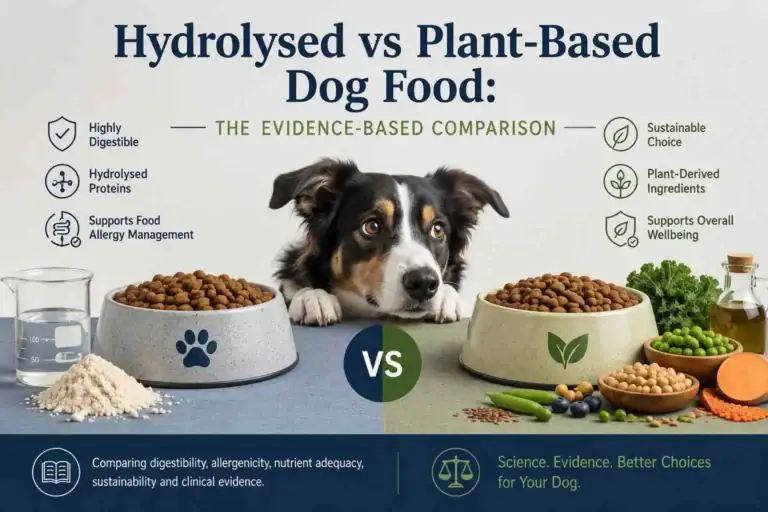
Plant-based vs hydrolysed protein dog food for canine food allergies: the head-to-head evidence-based comparison covering mechanism, clinical efficacy, and gut health.
Twenty peer-reviewed studies now form the evidence base for plant-based canine nutrition. This review covers the gut microbiome catalogue, controlled feeding trials, short-chain fatty…



 DE · German
 ES · Spanish
 FR · French
 NL · Dutch