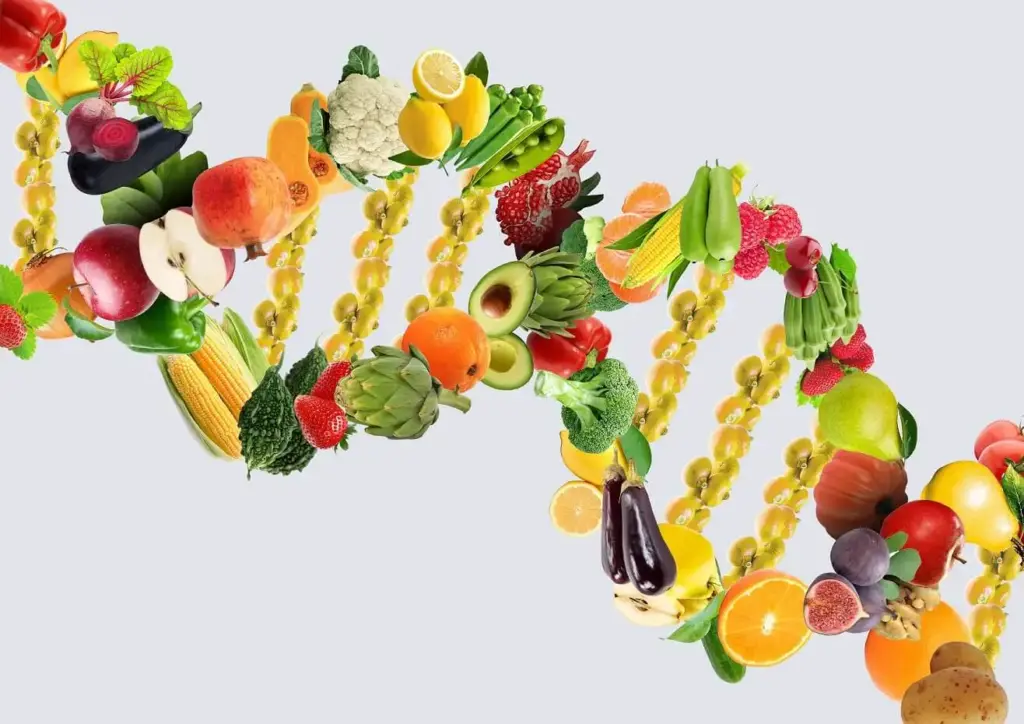
Nutrigenomics – Can it Impact Dog Health?
In recent years, the field of nutrigenomics has begun to revolutionise our understanding of how nutrition impacts health at the molecular level. This promising field has extended its reach into veterinary science, particularly in canine health, leading to what is now increasingly known as canine nutrigenomics.
Table of Contents
- Introduction
- Overview of Nutrigenomics
- Expansion into Canine Health
- What is Nutrigenomics?
- Definition and Scope
- The Impact of Diet on Genetic Expression
- Key Concepts of Nutrigenomics
- Gene-Nutrient Interaction
- Personalized Nutrition
- Prevention of Diseases
- How Nutrigenomics Works
- Genomic Technologies
- Bioinformatics
- Applications and Implications
- Health Optimisation
- Chronic Disease Management
- Public Health Impact
- Challenges and Ethical Considerations
- Complexity of Diet-Gene Interactions
- Ethical Concerns
- Cost and Accessibility
- What is Canine Nutrigenomics?
- Definition and Importance
- The Science Behind Canine Nutrigenomics
- The Science Behind Canine Nutrigenomics
- Genetic Testing
- Dietary Intervention
- Monitoring Changes
- Applications in Dog Health
- Personalised Nutrition Plans
- Improved Disease Management
- Enhanced Performance Diets
- Challenges and Considerations in Canine Nutrigenomics
- Complexity and Customisation Issues
- Economic and Ethical Challenges
- Conclusion
- Future Prospects of Canine Nutrigenomics
- Encouragement for Pet Owners and Veterinarians
What is Nutrigenomics?
Nutrigenomics is a scientific discipline that studies the interaction between nutrition and genes, particularly how different foods can affect our genetic expression. This field is grounded in the understanding that what we eat can influence our health at a molecular level, potentially leading to personalised nutrition plans tailored to an individual’s genetic makeup.
Key Concepts of Nutrigenomics
- Gene-Nutrient Interaction: Nutrigenomics examines how certain nutrients or dietary compounds influence gene expression. For example, some foods may activate genes that help protect against diseases, while others may suppress those same genes.
- Personalised Nutrition: Based on individual genetic profiles, nutritional advice can be customised to optimise health and reduce the risk of disease. This personalised approach helps in managing or preventing illnesses that one may be predisposed to due to their genetic makeup.
- Prevention of Diseases: By understanding how different nutrients affect gene expression, nutrigenomics aims to prevent, mitigate, or cure chronic diseases such as diabetes, obesity, cardiovascular diseases, and cancer through diet.
How Nutrigenomics Works
Nutrigenomics involves studying dietary components and their effects on our genes by observing how specific nutrients alter the expression and function of genes. This is done through various high-tech methods, including:
- Genomic Technologies: These include DNA sequencing and gene expression profiling, which help identify genetic variants and understand how they respond to dietary components.
- Bioinformatics: This uses software tools and databases to analyse and interpret the vast amounts of data generated by genomic technologies.
Applications and Implications
Health Optimisation: By understanding and applying the principles of nutrigenomics, it may be possible to optimise one’s health by aligning their diet with their genetic profile.
Chronic Disease Management: Nutrigenomics holds the promise of being a key tool in managing and potentially reversing chronic diseases through dietary modifications that specifically target an individual’s genetic predispositions.
Public Health: Beyond individual benefits, nutrigenomics has the potential to reshape public health recommendations by providing more precise and effective dietary guidelines tailored to genetic variations within populations.
Challenges and Ethical Considerations
Despite its potential, nutrigenomics faces several challenges:
- Complexity: The interactions between diets and genes are complex and not always straightforward. A nutrient that benefits one individual might have a neutral or negative effect on another due to genetic differences.
- Ethical Concerns: Issues such as genetic privacy, access to nutrigenomic tests and personalised nutrition, and the potential for misuse of genetic information are critical concerns that need addressing as the field develops.
- Cost and Accessibility: Currently, the high cost of genetic testing and the development of personalised nutrition plans may limit accessibility for many people.
What is Canine Nutrigenomics?
Canine nutrigenomics is the study of the interaction between a dog’s diet and its genome. This science investigates how different nutrients or food compounds can influence the expression of genes that regulate various physiological processes such as metabolism, disease prevention, and growth. Essentially, it aims to determine how what a dog eats can activate or suppress specific genes to promote overall health and prevent illness.
The Science Behind Canine Nutrigenomics
At its core, canine nutrigenomics involves the detailed analysis of a dog’s DNA. Researchers look for biomarkers or genetic indicators that can predict how a dog might respond to certain dietary components. For example, some dogs may have a genetic predisposition to diabetes or obesity. Nutrigenomics can help identify the specific dietary changes needed to mitigate these risks.
The process generally involves the following steps:
- Genetic Testing: Identifying the dog’s genetic makeup through DNA tests.
- Dietary Intervention: Based on genetic insights, specific diets are formulated.
- Monitoring Changes: Observing changes in gene expression and health outcomes following dietary adjustments.
Applications in Dog Health
The practical applications of canine nutrigenomics are vast. They range from developing personalised dog foods that cater to an individual dog’s genetic makeup, to more broadly understanding dietary impacts on canine populations. Here are a few potential benefits:
- Personalised Nutrition Plans: Tailoring diets to help manage genetic predispositions to diseases such as arthritis, obesity, and certain cancers.
- Improved Disease Management: Nutrigenomic insights can lead to better management strategies for chronic diseases, potentially reducing the reliance on medications.
- Enhanced Performance Diets: For working dogs, such as those in service or sports, diets can be optimised for performance and recovery, based on genetic needs.
Challenges and Considerations
Despite its potential, canine nutrigenomics is not without challenges. The complexity of genetic responses to diets means that it’s difficult to create universally effective diets—even within a single breed. Additionally, the cost of genetic testing and the development of customised diets can be prohibitive for average pet owners.
Moreover, ethical considerations about genetic manipulation and the extent of intervention in a dog’s natural dietary preferences are ongoing debates within the community.
Conclusion
Canine nutrigenomics is poised to be a game-changer in how we understand and cater to the nutritional needs of dogs. As research progresses, it promises more targeted and effective ways to promote canine health, longevity, and quality of life through diet. For pet owners, veterinarians and canine nutritionists, staying informed about these advances will be key to leveraging the benefits of this cutting-edge science for the betterment of man’s best friend.
Related Reading:
Dog Genetics and Gut Health: How Breed Background Shapes Your Dog’s Microbiome