Spore-Forming Probiotics for Dogs: Why Calsporin® Outperforms Standard Strains
· by Glendon Lloyd
The Probiotic That Actually Survives to Your Dog’s Gut.
Over a decade of canine research. EU-approved. The backbone of Bonza’s gut health strategy.
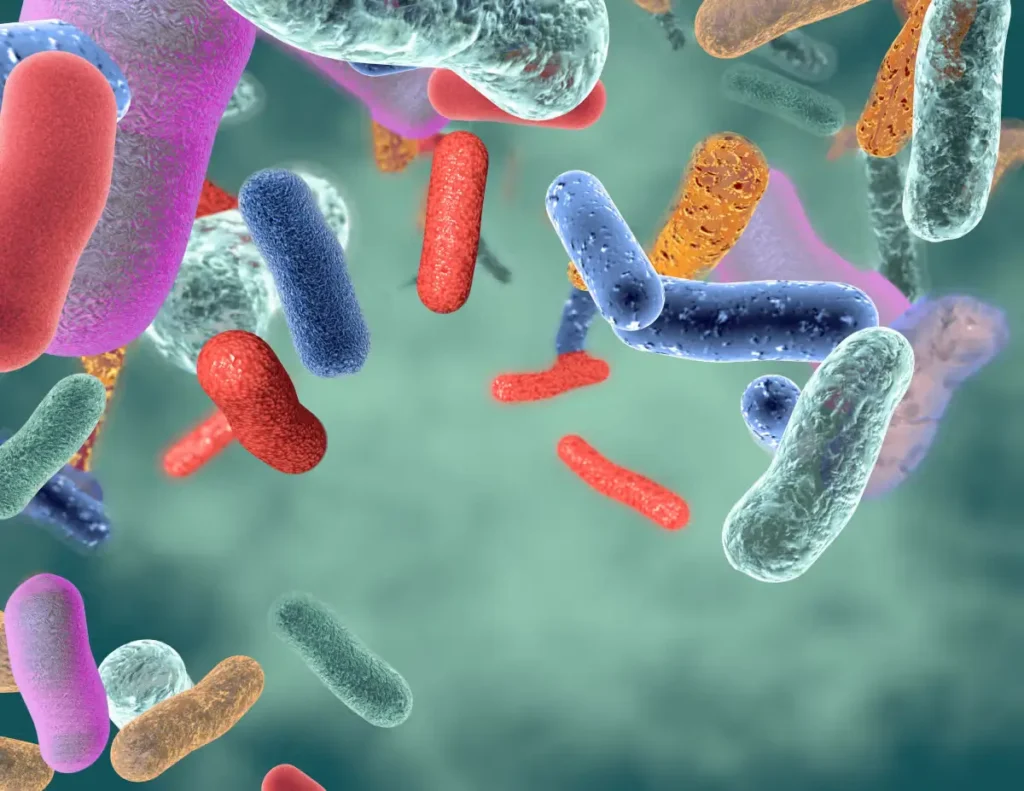
Your dog’s gut microbiome — the trillions of microorganisms living in their digestive tract — is one of the most important determinants of their overall health. It influences digestion, immune function, skin condition, mental wellbeing, and even longevity. But maintaining a healthy, diverse microbiome requires the right support. That’s where probiotics come in — and not all probiotics are created equal. Most standard probiotic strains, including popular Lactobacillus and Bifidobacterium species, are fragile. They degrade during manufacturing, deteriorate in storage, and are destroyed by stomach acid before reaching the gut. Spore-forming probiotics solve this problem — and Calsporin® is the most extensively researched spore-forming probiotic approved for dogs in Europe.
Calsporin® contains Bacillus velezensis DSM 15544, a spore-forming bacterium originally isolated from soil in Japan. It is one of only a handful of probiotics with specific EU regulatory approval for use in dog food, backed by an extensive body of canine-specific research. It is the probiotic we chose for Bonza’s Superfoods & Ancient Grains complete food — and the reason goes far beyond simple digestive support.
This article explains what Calsporin is, how it works, what the canine research shows, and why it connects to every aspect of your dog’s health through the gut-microbiome axis.
What Is Calsporin® and Why Was It Reclassified?
Calsporin® is produced by Asahi Biocycle Co. (formerly Asahi Calpis Wellness) and contains viable spores of a single bacterial strain deposited in the German Collection of Microorganisms and Cell Cultures with the accession number DSM 15544.
For most of its commercial history, this strain was classified as Bacillus subtilis C-3102. You will still find this name widely used across the pet food industry, in older research papers, and on many competitor websites. However, in 2020, during a renewal assessment by the European Food Safety Authority (EFSA), taxonomic analysis using whole genome sequencing confirmed that the strain should be reclassified as Bacillus velezensis DSM 15544 (1). This reclassification was made legally binding across all EU authorisations by Regulation (EU) 2022/307, effective from May 2022 (2).
The reclassification does not change the organism itself — it is the same strain, producing the same effects, backed by the same research. What changed is our understanding of where it sits on the bacterial family tree, thanks to advances in genetic analysis. B. velezensis is a closely related species to B. subtilis, and DSM 15544 was previously assigned to B. subtilis based on less precise identification methods available at the time.
We use the current, scientifically accurate name Bacillus velezensis DSM 15544 throughout this article, while noting its former designation for clarity. If you see B. subtilis C-3102 referenced elsewhere — including in published research — it refers to the same organism.
EU Regulatory Approval: What EFSA Concluded
Calsporin® was first authorised as an EU feed additive in 2006 for poultry. Its authorisation was extended to dogs in 2017 following a dedicated safety and efficacy assessment by EFSA’s Panel on Additives and Products or Substances used in Animal Feed (FEEDAP).
The 2017 EFSA Scientific Opinion on Calsporin® for dogs (3) concluded:
B. subtilis (now B. velezensis) is considered suitable for the Qualified Presumption of Safety (QPS) approach. This means the strain was confirmed to be non-toxigenic, free from antimicrobial resistance genes of concern, and safe for dogs, their owners, and the environment. The Panel found one efficacy study in dogs to be sufficient to demonstrate that Calsporin® has the potential to improve faecal consistency in dogs, meeting the criteria for classification as a “gut flora stabiliser” — a zootechnical feed additive (3).
This regulatory status matters. Many probiotics marketed for dogs have no specific regulatory approval and rely on general safety claims. Calsporin® is one of the few with a formal EFSA assessment specifically for canine use, providing an additional layer of confidence in both its safety and its demonstrated effects.
How Calsporin® Works: The Spore-Forming Advantage
To understand why we chose Calsporin® over other probiotics, it helps to understand how spore-forming bacteria differ from the Lactobacillus and Bifidobacterium strains commonly found in probiotic supplements.
Most conventional probiotics are vegetative (actively growing) bacteria that are highly sensitive to environmental stress. They begin to degrade at temperatures above approximately 49°C, which creates a fundamental problem for pet food manufacturing — most dry dog foods are subjected to extrusion temperatures exceeding 105°C, and even many “gently processed” foods involve significant heat exposure. The result is that many probiotics marketed on pet food labels may contain little to no viable bacteria by the time the food reaches your dog’s bowl.
Bacillus velezensis DSM 15544 sidesteps this problem entirely because it is a spore-forming bacterium. When conditions become unfavourable, the bacterium encapsulates itself within a protective spore coat — a natural biological shield that makes it remarkably resilient. EFSA’s technical assessment confirmed that Calsporin® spores are heat-stable to at least 90°C and remain viable for more than one year in pet food products (3).
But surviving the manufacturing process is only half the challenge. The probiotic must also survive passage through the highly acidic environment of the stomach to reach the intestine where it can exert its effects. Spore-forming probiotics have a significant advantage here too — the spore coat protects the bacterium from gastric acid, bile salts, and digestive enzymes, allowing it to reach the large intestine intact and germinate where it is needed most.
Once in the colon, B. velezensis DSM 15544 germinates from its dormant spore form into an active bacterium that can interact with the resident gut microbiota, compete with potentially harmful organisms, and contribute to a healthier intestinal environment.
Bonza’s cold-extrusion advantage. Bonza Superfoods & Ancient Grains is processed at 70°C or less using a cold-extrusion method. While Calsporin’s spore-forming nature means it would survive conventional high-temperature processing, our lower processing temperature provides an additional margin of protection, ensuring maximum viability and efficacy of the probiotic in every bowl.
What the Canine Research Shows
One of the most important criteria in our selection of Calsporin® was the depth of its canine-specific evidence base. Unlike many probiotics used in pet food, which rely primarily on research conducted in humans, poultry, or livestock, B. velezensis DSM 15544 has been studied directly in dogs across multiple independent trials spanning over a decade.
Here is what the peer-reviewed canine research has demonstrated.
Gut Microbiota Diversity and Composition
Microbial diversity — the range and balance of bacterial species in the gut — is widely recognised as one of the most important markers of gut health. A diverse microbiome is more resilient to disruption from dietary changes, stress, illness, or antibiotic treatment, and is associated with better overall health outcomes in dogs (4, 5).
A landmark study by de Lima et al. (2020), published in Animal Feed Science and Technology, found that dietary supplementation with B. velezensis DSM 15544 significantly increased gut bacterial diversity (P = 0.025) in adult Beagle dogs compared to unsupplemented controls. Using 16S rRNA gene sequencing, the researchers identified proportional changes across four major bacterial phyla and thirteen genera. Crucially, dogs receiving the probiotic showed a greater abundance of bacterial groups considered beneficial for gut health, including Bacteroides, Faecalibacterium, and Allobaculum (6).
These findings are significant because Faecalibacterium (particularly F. prausnitzii) is one of the most important butyrate-producing bacteria in the canine gut, and butyrate is a short-chain fatty acid (SCFA) critical for maintaining the integrity of the intestinal barrier and modulating immune function. Bacteroides species play essential roles in carbohydrate metabolism and SCFA production. An increase in these populations suggests that the probiotic is actively promoting a more favourable microbial ecosystem.
Faecal Quality and Consistency
For dog owners, faecal quality is one of the most tangible, day-to-day indicators of their dog’s digestive health. Loose, watery, or inconsistent stools often signal digestive imbalance, while firm, well-formed stools indicate efficient digestion and a healthy gut environment.
Multiple canine studies have demonstrated improvements in faecal quality with Calsporin® supplementation:
de Lima et al. (2020) found that dogs receiving B. velezensis DSM 15544 produced significantly firmer stools (P < 0.001) with greater dry matter content (P = 0.021) compared to control dogs (6).
Schauf, Nakamura and Castrillo (2019), publishing in the Journal of Applied Animal Nutrition, reported that Beagles fed a diet supplemented with Calsporin® at 1 × 10⁹ CFU/kg had more firm faeces (P = 0.011) than control dogs, alongside higher faecal dry matter content in the first two weeks of supplementation (7).
Türk et al. (2023), in a study published in the Italian Journal of Animal Science, confirmed these findings in adult Golden Retrievers, reporting firmer stools and higher faecal dry matter in dogs receiving B. velezensis DSM 15544 at both dosage levels tested (8).
In a field study examining dogs with chronic diarrhoea, Paap et al. (2016) found that dogs receiving Calsporin® showed significant improvement in faecal odour (P = 0.037), with a trend towards reduced flatulence (P = 0.082). Notably, regression analysis revealed that dogs with the most severe diarrhoea at the start of the trial showed the greatest improvements during the supplementation period, suggesting that the probiotic may be particularly beneficial for dogs with compromised digestive function (9).
Reduced Faecal Odour and Ammonia
Faecal odour is more than a quality-of-life issue for dog owners — it reflects the metabolic activity of the gut microbiome. Strong faecal odour is often associated with elevated levels of ammonia, biogenic amines, and branched-chain fatty acids (BCFAs), which are produced by the bacterial fermentation of undigested protein in the colon. Elevated intestinal ammonia is not merely unpleasant; it can damage the intestinal mucosa and contribute to inflammatory processes in the gut (7).
The de Lima et al. (2020) study found that dogs supplemented with Calsporin® had significantly lower faecal ammonia concentrations (P = 0.037) and significantly less fetid faeces as assessed by a panel of 50 human volunteers (P < 0.001) (6).
Schauf et al. (2019) reported a sustained decline in faecal ammonia over the four-week study period (P = 0.05), alongside a reduction in faecal pH, consistent with a shift towards healthier saccharolytic (carbohydrate-fermenting) rather than proteolytic (protein-fermenting) microbial activity (7).
Türk et al. (2023) confirmed lower ammonia concentrations in supplemented dogs, particularly at higher dosage levels (P = 0.01) (8).
Broader research on spore-forming Bacillus probiotics in dogs supports this mechanism — Bastos et al. (2020) demonstrated that B. subtilis supplementation significantly reduced faecal concentrations of biogenic amines (putrescine, cadaverine, and spermidine) and phenolic compounds, confirming that these organisms actively suppress proteolytic catabolite production in the canine colon (12).
This consistent reduction in ammonia across multiple studies is significant because it indicates a genuine shift in microbial metabolic activity — not just a cosmetic improvement in smell, but a measurable improvement in the gut’s biochemical environment.
Short-Chain Fatty Acid Production
Short-chain fatty acids (SCFAs) — primarily acetate, propionate, and butyrate — are produced when beneficial gut bacteria ferment dietary fibre and other substrates. SCFAs are critically important for canine health: they provide energy to the cells lining the colon (colonocytes), strengthen the intestinal barrier, modulate immune function, and help regulate inflammation throughout the body (4, 5).
Multiple Calsporin® studies have demonstrated increased SCFA production:
Schauf et al. (2019) found a significant increase in total SCFA content (P = 0.044), driven primarily by increased acetate production (P = 0.024), in dogs receiving the probiotic (7).
de Lima et al. (2020) reported a significant increase in propionic acid concentration (P = 0.039) in supplemented dogs (6).
Türk et al. (2023) detected higher levels of acetate, propionate, and isobutyrate in dogs receiving Calsporin® at both dosage levels (P < 0.05) (8).
The increase in SCFAs is particularly relevant to Bonza’s “One Gut. Whole Dog.” philosophy because these metabolites do not stay in the gut — they enter the bloodstream and influence health throughout the body, from immune regulation to metabolic function. This is how a probiotic acting in the gut can have systemic effects that reach the skin, joints, brain, and beyond.
Nutrient Digestibility
A well-functioning gut microbiome contributes to efficient nutrient extraction from food. The canine research on Calsporin® shows mixed but generally positive results on digestibility:
Schauf et al. (2019) found that dogs receiving the probiotic showed significantly higher apparent digestibility of fat (P = 0.031) and nitrogen-free extractives (carbohydrates; P = 0.038) compared to control dogs (7).
Türk et al. (2023) reported improved coefficients of digestibility for dry matter, fibre, organic matter, and protein (P < 0.05) — the broadest digestibility improvements reported in any Calsporin canine study to date (8).
de Lima et al. (2020) did not find significant differences in digestibility, suggesting that the effects may depend on the basal diet composition and the dosage of probiotic used (6).
Haematological Effects
Türk et al. (2023) also examined blood parameters and found that dogs receiving B. velezensis DSM 15544 showed increased concentrations of white blood cells (WBCs), red blood cells (RBCs), and granulocytes (P < 0.05), suggesting a potential immunomodulatory effect (8). While these findings require further investigation, they are consistent with the broader understanding that gut microbiome health influences systemic immune function — a connection explored in depth in our article on the gut-immune axis.
Chronic Inflammatory Enteropathy
A pilot study by Isidori et al. (2021), published in Animals, investigated the use of B. velezensis DSM 15544 in combination with Ascophyllum nodosum (brown seaweed) for the management of Canine Chronic Inflammatory Enteropathy (CIE) — a condition analogous to inflammatory bowel disease in humans. Dogs receiving the combination showed beneficial shifts in gut microbiota composition, including higher abundances of the Ruminococcaceae and Rikenellaceae families, which are associated with gut health and SCFA production. While this was a small pilot study, it provides early evidence that Calsporin® may have applications beyond healthy dogs, supporting its potential in managing clinical gastrointestinal conditions (10).
One Gut. Whole Dog: How Calsporin® Connects to Whole-Body Health
At Bonza, our “One Gut. Whole Dog.” philosophy reflects a fundamental insight from modern nutritional science: the gut microbiome is not just a digestive organ — it is a command centre that influences virtually every system in your dog’s body through a series of bidirectional communication pathways known as the gut-organ axes.
The research on Calsporin® demonstrates effects that map directly onto these axes:
The gut-immune axis. Approximately 70% of your dog’s immune system resides in the gut-associated lymphoid tissue (GALT). The increase in beneficial bacterial populations and SCFA production demonstrated with Calsporin® supplementation directly supports immune regulation. The haematological changes observed by Türk et al. — increased WBCs and granulocytes — suggest the probiotic may actively modulate immune cell production.
The gut-skin axis. Paap et al. (2016) observed a trend towards improved coat condition in dogs receiving Calsporin® (P = 0.058). While this did not reach conventional statistical significance, it aligns with the well-established connection between gut health and skin/coat quality. A balanced microbiome reduces systemic inflammation, which is a key driver of skin conditions, dull coats, and excessive shedding in dogs.
The gut-brain axis. The gut microbiome produces neurotransmitters and communicates with the brain via the vagus nerve. While Calsporin® has not been specifically studied for anxiety or behavioural effects in dogs, the improvements in SCFA production — particularly butyrate and propionate — are relevant because these metabolites are known to influence the gut-brain axis and have been associated with reduced anxiety-like behaviour in animal models.
The gut-metabolic axis. The improvements in nutrient digestibility and the shift towards saccharolytic fermentation observed across multiple studies suggest that Calsporin® supports more efficient metabolic function. Better nutrient extraction from food means more available energy, improved body condition, and less metabolic waste.
These connections explain why a single probiotic acting in the gut can influence your dog’s coat quality, energy levels, immune resilience, and overall vitality. The gut is the starting point — but its effects ripple outward to every organ system.
How to Support Your Dog’s Probiotic Health
6 Evidence-based steps to support your dog’s optimum probiotic health:
Choose a food with a proven, strain-specific probiotic.
Not all probiotics are equal. Look for products that name the specific bacterial strain (such as Bacillus velezensis DSM 15544) rather than just a genus name, and that can demonstrate regulatory approval and peer-reviewed research in dogs — not just humans or other animals.
Consider how the food is processed.
Even the best probiotic is useless if it does not survive manufacturing. Spore-forming probiotics like Calsporin® offer a significant advantage over vegetative strains, and cold-processed or gently extruded foods provide additional protection for probiotic viability.
Feed prebiotic fibre alongside the probiotic.
Probiotics work best when supported by prebiotics — non-digestible fibres that feed beneficial gut bacteria. Bonza’s formulation includes chicory root (a rich source of inulin) alongside Calsporin® to create a synbiotic effect, where the prebiotic and probiotic work together to maximise microbiome support.
Maintain consistency in your dog’s diet.
Sudden dietary changes can disrupt the gut microbiome. When transitioning foods, do so gradually over 7–10 days to allow the microbiome to adapt. A daily probiotic in the food provides ongoing stability during these transitions.
Be especially mindful after antibiotic treatment.
Antibiotics can cause profound and long-lasting disruption to the gut microbiome. If your dog has been prescribed antibiotics, supporting gut recovery with a proven probiotic is particularly important. Discuss timing with your veterinarian, as some probiotics are best introduced after the antibiotic course is complete.
Look beyond digestion.
If your dog has skin issues, low energy, a dull coat, or recurrent minor health problems, consider that these may be rooted in gut health. Supporting the microbiome through nutrition — including effective probiotics — can address the root cause rather than just managing symptoms.
Why Bonza Chose Calsporin®
After extensive research into the available probiotic options for dog food, we selected Calsporin® for three reasons.
First, the evidence base is canine-specific. Too many pet food probiotics rely on research conducted in humans, poultry, or livestock. Calsporin® has been studied directly in dogs across multiple independent trials, demonstrating consistent benefits for gut microbiota diversity, faecal quality, SCFA production, and ammonia reduction.
Second, the stability is unmatched. As a spore-forming probiotic, Calsporin® survives manufacturing, shelf life, and the harsh conditions of the canine gastrointestinal tract. Combined with Bonza’s cold-extrusion processing at 70°C or less, we can be confident that viable, effective probiotic reaches your dog’s gut in every serving.
Third, it aligns with our “One Gut. Whole Dog.” mission. The research shows that Calsporin® does more than improve faecal consistency — it reshapes the microbial ecosystem in a way that supports immune function, nutrient absorption, metabolic health, and the gut-organ axes that connect digestive health to whole-body wellbeing. That is exactly the kind of evidence-based, multi-system benefit that Bonza was built to deliver.
Together with our prebiotic chicory root inulin, the postbiotic metabolites produced by a thriving microbiome, inclusion of clinically-tested postbiotic, TruPet, and the phytonutrient-rich ingredients in our PhytoPlus® blend, Calsporin® forms the probiotic foundation of a food designed to add years to your dog’s life — and life to their years.
FAQ – Spore-forming Probiotic for Dogs
What is a spore-forming probiotic, and why does it matter for dogs?
A spore-forming probiotic is a bacterium that can encapsulate itself within a tough protective shell called an endospore. This makes it resistant to heat, stomach acid, and bile salts — conditions that destroy most standard probiotic strains. For dogs, this matters because conventional probiotics like Lactobacillus and Bifidobacterium begin to degrade above approximately 49°C and are often non-viable by the time they reach the gut. Spore-forming strains like Bacillus velezensis DSM 15544 survive both pet food manufacturing and the canine digestive tract, arriving in the intestine intact and ready to germinate.
Is Calsporin® the same as Bacillus subtilis C-3102?
Yes — they are the same organism. The strain was originally classified as Bacillus subtilis C-3102 and sold under the trade name Calsporin®. In 2020, EFSA’s taxonomic review using whole genome sequencing reclassified it as Bacillus velezensis DSM 15544 (1). The reclassification was made legally binding across the EU by Regulation (EU) 2022/307 in May 2022. If you see either name in research papers, ingredient lists, or competitor websites, they refer to the same strain.
How is Calsporin® different from other dog probiotics?
Three things set it apart. First, it has specific EU regulatory approval (EFSA authorisation) for use in dog food — most probiotics marketed for dogs lack this. Second, it is backed by six independent canine-specific studies spanning over a decade, demonstrating benefits for gut diversity, faecal quality, SCFA production, and ammonia reduction. Third, its spore-forming nature gives it a survivability advantage that non-spore strains cannot match, particularly in kibble and extruded foods processed at high temperatures.
Can I give my dog a human probiotic instead?
Human probiotics are not harmful to dogs, but they are unlikely to deliver the same benefits. The canine gut microbiome differs significantly from the human microbiome, and strains selected for human health may not colonise effectively in dogs. More importantly, most human probiotics use vegetative (non-spore-forming) strains that are fragile and may not survive the canine stomach’s highly acidic environment (pH 1–2). A dog-specific, spore-forming probiotic with documented canine research is a more reliable choice.
Do probiotics in dog food survive the manufacturing process?
It depends entirely on the strain. Most conventional probiotic strains (particularly Lactobacillus and Bifidobacterium) are destroyed during standard extrusion, which typically exceeds 105°C. Spore-forming probiotics like Calsporin® are heat-stable to at least 90°C and remain viable for over a year in finished pet food products (3). Bonza’s cold-extrusion processing at 70°C or below provides an additional margin of protection, ensuring maximum probiotic viability in every serving.
How long does it take for a probiotic to work in dogs?
The canine studies on Calsporin® observed measurable improvements in faecal consistency and dry matter content within the first two weeks of supplementation (7). Changes in SCFA production, ammonia reduction, and broader microbiome composition were typically measured at four to five weeks (6, 7, 8). For dogs with chronic diarrhoea, Paap et al. (2016) reported that those with the most severe symptoms at baseline showed the greatest improvements during supplementation (9). As with any nutritional intervention, consistency matters — daily intake delivers the most reliable results.
Should I give my dog probiotics after antibiotics?
Antibiotics can cause significant and sometimes long-lasting disruption to the gut microbiome, reducing both the diversity and abundance of beneficial bacteria. Supporting gut recovery with a proven probiotic after antibiotic treatment is particularly important. Spore-forming probiotics have an advantage here because their protective spore coat makes them inherently more resistant to residual antibiotic activity in the gut. Discuss timing with your veterinarian, as some practitioners recommend starting the probiotic during the antibiotic course while others prefer beginning immediately after.
What are short-chain fatty acids and why do they matter?
Short-chain fatty acids (SCFAs) — primarily acetate, propionate, and butyrate — are produced when beneficial gut bacteria ferment dietary fibre. They are among the most important metabolites in your dog’s body: they fuel the cells lining the colon, strengthen the intestinal barrier, regulate immune function, and reduce inflammation. Multiple Calsporin® studies have demonstrated significant increases in SCFA production (6, 7, 8). Critically, SCFAs do not stay in the gut — they enter the bloodstream and influence health throughout the body, which is why gut health connects to immunity, skin condition, brain function, and metabolic health.
Conclusion
The evidence behind Calsporin® tells a clear story: not all probiotics are equal, and the difference lies in what survives. Bacillus velezensis DSM 15544 is one of the few probiotics with specific EU regulatory approval for dogs, a spore-forming structure that guarantees viability from bowl to gut, and a canine research base spanning over a decade of independent, peer-reviewed studies. Across six trials, it has consistently demonstrated the ability to increase gut microbial diversity, improve faecal quality, boost short-chain fatty acid production, and reduce the harmful protein catabolites that signal a gut under stress.
What makes these findings particularly significant is where they lead. The metabolites produced by a healthier microbiome — the SCFAs, the reduced ammonia, the rebalanced bacterial populations — do not stay in the digestive tract. They enter the bloodstream and influence immune regulation, skin and coat condition, metabolic efficiency, and the bidirectional communication between the gut and brain. This is the science behind Bonza’s “One Gut. Whole Dog.” philosophy: that meaningful, measurable changes in the gut ripple outward to every system in your dog’s body.
Choosing a probiotic should not be a matter of marketing claims or label decoration. It should come down to three questions: does this strain have regulatory approval for dogs, does it have canine-specific research demonstrating real outcomes, and will it actually reach the gut alive? For Calsporin®, the answer to all three is yes — and that is why it forms the probiotic foundation of every bowl of Bonza.
This article is for informational purposes only and does not constitute veterinary advice. Always consult a qualified veterinarian before making changes to your dog’s diet or supplement regimen.
References
EFSA FEEDAP Panel (2020). Assessment of the application for renewal of the authorisation of Calsporin® (Bacillus velezensis DSM 15544) as a feed additive for weaned piglets. EFSA Journal, 18(11), 6283. DOI: 10.2903/j.efsa.2020.6283. PMCID: PMC7664394.
EFSA FEEDAP Panel (2021). Safety and efficacy of a feed additive consisting of Bacillus velezensis DSM 15544 (Calsporin®) for piglets (suckling and weaned), pigs for fattening, sows in order to have benefit in piglets, ornamental fish, dogs and all avian species. EFSA Journal, 19(10), 6880. DOI: https://doi.org/10.2903/j.efsa.2021.6903 PMCID: PMC8573525.
EFSA FEEDAP Panel (2017). Scientific Opinion on the safety and efficacy of Calsporin® (Bacillus subtilis DSM 15544) as a feed additive for dogs. EFSA Journal, 15(4), 4760. DOI: 10.2903/j.efsa.2017.4760. PMCID: PMC7009994.
Pilla, R. & Suchodolski, J.S. (2020). The Role of the Canine Gut Microbiome and Metabolome in Health and Gastrointestinal Disease. Frontiers in Veterinary Science, 6, 498. DOI: 10.3389/fvets.2019.00498. PMID: 31993446.
Pilla, R. & Suchodolski, J.S. (2021). The Gut Microbiome of Dogs and Cats, and the Influence of Diet. Veterinary Clinics of North America: Small Animal Practice, 51(3), 605–621. DOI: 10.1016/j.cvsm.2021.01.002. PMID: 33653538.
de Lima, D.C., Souza, C.M.M., Nakamura, N., Mesa, D., de Oliveira, S.G. & Félix, A.P. (2020). Dietary supplementation with Bacillus subtilis C-3102 improves gut health indicators and fecal microbiota of dogs. Animal Feed Science and Technology, 270, 114672. DOI: 10.1016/j.anifeedsci.2020.114672.
Türk, G. et al. (2023). Effects of Bacillus subtilis C-3102 addition on nutrient digestibility, faecal characteristics, blood chemistry and faecal Lactobacilli spp., Enterococci spp., and Escherichia coli in healthy dogs. Italian Journal of Animal Science, 22(1), 568–580. DOI: 10.1080/1828051X.2023.2218871.
Paap, P., van der Laak, J., Smit, J., Nakamura, N. & Beynen, A. (2016). Administration of Bacillus subtilis C-3102 (Calsporin®) may improve feces consistency in dogs with chronic diarrhoea. Research Opinions in Animal and Veterinary Sciences, 6(8), 256–260. DOI: 10.20490/ROAVS/16-043.
Isidori, M. et al. (2021). The Use of Ascophyllum nodosum and Bacillus subtilis C-3102 in the Management of Canine Chronic Inflammatory Enteropathy: A Pilot Study. Animals, 11(12), 3417. DOI: 10.3390/ani11123417.
Félix, A.P., Netto, M.V.T., Murakami, F.Y., Brito, C.B.M., Oliveira, S.G. & Maiorka, A. (2010). Digestibility and fecal characteristics of dogs fed with Bacillus subtilis in diet. Ciência Rural, 40(10), 2169–2173. DOI: 10.1590/S0103-84782010005000166.
Bastos, T.S., de Lima, D.C., Souza, C.M.M., Maiorka, A., de Oliveira, S.G., Bittencourt, L.C. & Félix, A.P. (2020). Bacillus subtilis and Bacillus licheniformis reduce faecal protein catabolites concentration and odour in dogs. BMC Veterinary Research, 16, 116. DOI: 10.1186/s12917-020-02321-7. PMCID: PMC7168969.
Glendon Lloyd is the founder of Bonza. He holds Diplomas in Dog Nutrigenomics and Canine Nutrition (both with Distinction) and is a SFTR accredited member. He is committed to advancing evidence-based canine nutrition through continuous study of peer-reviewed research. His expertise spans evidence-based canine nutrition, nutrigenomics, and the connections between diet, the gut microbiome, and long-term health outcomes. Through the Bonza Health Hub for Dogs, Glendon shares evidence-based articles on preventative canine health, making complex nutritional science accessible to dog owners seeking to make informed decisions about their companions’ wellbeing.
As the founder and CEO of Bonza, I am challenging one of the most overlooked truths in canine health: the gut is not just part of the system. It is the system.
I hold Diplomas in Canine Nutrition and Dog Nutrigenomics, both awarded with Distinction, and I formulate every Bonza recipe in-house alongside our board of canine veterinary nutritionists. The gut microbiome sits at the centre of immune regulation, inflammation, metabolic function and neurological health, yet much of modern dog nutrition still treats food as fuel rather than biology. I am working to change that.
At Bonza we take a systems-biology approach to canine nutrition. We design food and supplements that actively shape the microbiome through plant diversity, functional fibres, and named, regulatory-authorised bioactives with full strain-level transparency: the Biotics Triad of prebiotics, probiotics and postbiotics, alongside phytonutrients and adaptogens. Each works through the eight gut-organ axes that connect the gut to the skin, joints, immune system, behaviour, heart, metabolism, liver and longevity.
This is about more than better ingredients. It is about redefining food as a controllable input for health outcomes, shifting from reactive care to precision nutrition that supports resilience, longevity and disease prevention.
We are building what canine nutrition should have been all along.