Short-Chain Fatty Acids for Dogs: The Hidden Powerhouse of Health
· by Glendon Lloyd
How to Boost Your Dog’s SCFA Production Naturally
Summary
Short-chain fatty acids (SCFAs) are bacterial metabolites produced when beneficial gut bacteria ferment dietary fibre.1,2 These small but mighty molecules, primarily butyrate, propionate, and acetate, serve as the primary energy source for your dog’s intestinal cells whilst simultaneously communicating with virtually every organ system in the body. Research increasingly reveals that adequate SCFA production underpins gut barrier integrity, immune regulation, brain function, skin health, joint comfort, and metabolic balance.1 Understanding how to support your dog’s SCFA production through diet and targeted supplementation offers a powerful, evidence-based approach to whole-body health.
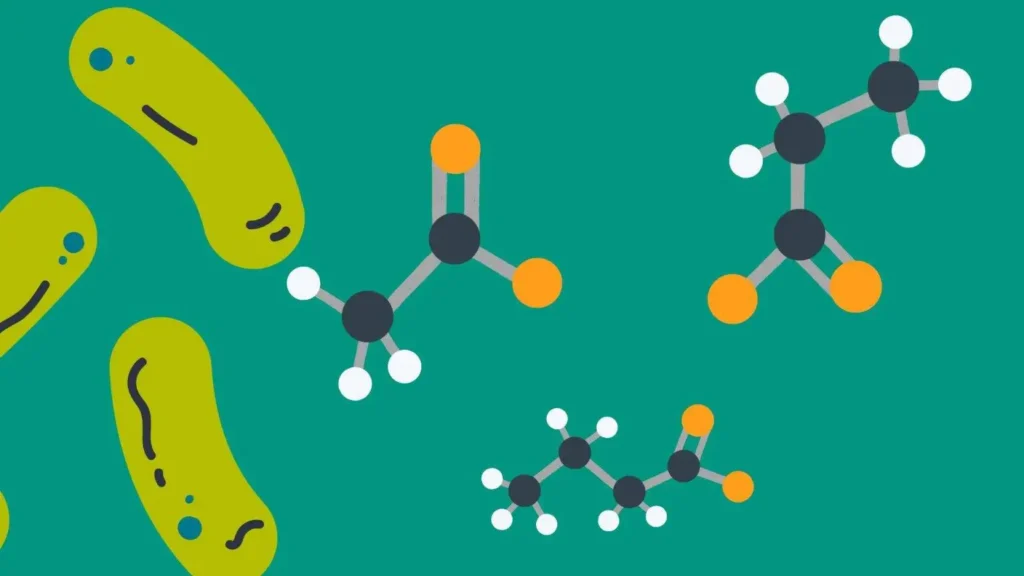
Short-chain fatty acids are organic acids containing fewer than six carbon atoms, produced primarily through bacterial fermentation of dietary fibres in the large intestine.1 The three principal SCFAs found in the mammalian gut are acetate (two carbons), propionate (three carbons), and butyrate (four carbons), typically present in a molar ratio of approximately 60:20:20.
Unlike nutrients absorbed directly from food, SCFAs represent a collaboration between diet and microbiome. Your dog’s gut bacteria break down complex carbohydrates and certain proteins that would otherwise pass through the digestive system unused, transforming them into these bioactive compounds that influence health far beyond the intestinal tract. 2,7
The term “postbiotics” has emerged to describe these beneficial bacterial metabolites, and SCFAs represent the most extensively studied category. Their effects extend from local actions in the gut to systemic influences on distant organs through neural, hormonal, and immune pathways. 1,9
How SCFAs Are Produced in Your Dog’s Gut
The production of short-chain fatty acids depends on two essential factors: the presence of appropriate substrates (primarily dietary fibre) and the right bacterial populations to ferment them. 2,8
The Fermentation Process
When your dog consumes dietary fibre, these complex carbohydrates travel largely undigested through the stomach and small intestine until reaching the large intestine. Here, specialised bacteria break down these fibres through anaerobic fermentation, producing SCFAs as metabolic byproducts. 2
Research published in Frontiers in Veterinary Science demonstrates that different fibre sources promote distinct SCFA profiles in dogs. Potato fibre, soybean husk, and inulin-type fructans all increase production of acetate, butyrate, and propionate, though they do so by enriching different bacterial populations. 2,10
Key SCFA-Producing Bacteria
Several bacterial genera are particularly important for SCFA production in dogs: 2,8
Blautia species, members of the Lachnospiraceae family, are versatile SCFA producers that increase with fibre-rich diets. These bacteria play important roles in cross-feeding networks that support broader microbiome health. 2,8
Bacteroides species produce acetate and propionate, with propionate synthesised from succinate. These bacteria are central to nutrient digestibility in dogs and respond positively to varied fibre intake. 7,8
Interestingly, research has revealed that dogs can also produce butyrate from protein sources through alternative pathways. Certain Clostridiaceae species, including Clostridium perfringens, possess the butyrate kinase pathway that enables butyrate synthesis from amino acids rather than carbohydrates. This adaptation may reflect the evolutionary flexibility of canine digestive physiology. 2,7
Factors That Influence SCFA Production
Several factors affect how efficiently your dog produces short-chain fatty acids:
Dietary fibre quantity and variety: Greater fibre diversity supports a broader range of fermenting bacteria, enhancing overall SCFA output. Different fibre types (soluble versus insoluble, rapidly versus slowly fermented) feed different bacterial communities. 2,10
Microbiome composition: Dogs with reduced populations of SCFA-producing bacteria will produce fewer of these beneficial metabolites regardless of fibre intake. Dysbiosis, whether from illness, antibiotic use, or poor diet, compromises SCFA production. 2,8
Transit time: Fermentation requires contact time between substrates and bacteria. Conditions that accelerate intestinal transit may reduce SCFA production, whilst slower transit allows more complete fermentation. 2
The Three Primary SCFAs and Their Unique Roles
Whilst acetate, propionate, and butyrate share certain characteristics, each exerts distinct effects on canine health. 1
Butyrate: The Gut Protector
Butyrate commands particular attention in gut health research because colonocytes (the cells lining the colon) use it as their primary energy source, deriving 60-70% of their energy requirements from this single molecule. 1,5
Beyond simple fuel provision, butyrate:
Strengthens gut barrier integrity by promoting tight junction protein expression between intestinal cells, reducing the permeability that allows harmful substances to enter circulation. 1,5
Modulates inflammation through inhibition of nuclear factor-kappa B (NF-κB), a master regulator of inflammatory responses. Butyrate acts as a histone deacetylase (HDAC) inhibitor, influencing gene expression in ways that reduce inflammatory signalling. 1,5
Supports mucus production by goblet cells, maintaining the protective mucus layer that shields intestinal tissue from mechanical damage and pathogenic invasion. 1
Research in dogs with chronic enteropathy has found significantly altered SCFA profiles, with healthy dogs showing higher total SCFA concentrations than affected individuals. This association suggests that restoring butyrate production may support recovery from inflammatory intestinal conditions. 2
Propionate: The Metabolic Regulator
Propionate travels from the intestine to the liver via the portal vein, where it participates in gluconeogenesis (the production of glucose from non-carbohydrate sources). This metabolic function gives propionate particular relevance for blood sugar regulation and metabolic health. 1
Research has demonstrated that propionate:
Supports blood-brain barrier integrity, with studies showing protective effects on the tight junctions that control what enters brain tissue from circulation. 6
Activates G protein-coupled receptors (GPR41 and GPR43) that influence appetite, energy expenditure, and metabolic rate. These receptors represent potential therapeutic targets for obesity and metabolic disorders. 1,5
Provides anti-inflammatory effects through mechanisms distinct from butyrate, contributing to the overall anti-inflammatory profile of a healthy SCFA-producing microbiome. 1,5
Acetate: The Systemic Communicator
As the most abundant SCFA, acetate represents the majority of short-chain fatty acids reaching systemic circulation. Unlike butyrate and propionate, which are largely metabolised by colonocytes and hepatocytes respectively, acetate travels throughout the body. 1
Acetate functions as:
An energy substrate for peripheral tissues, contributing to overall energy balance. 1
A precursor for lipid synthesis in adipose tissue and other locations. 1
A signalling molecule that activates GPR41 and GPR43 receptors on various cell types, influencing immune function, appetite regulation, and metabolic processes. 1,5
A blood-brain barrier crossing metabolite that can directly influence brain function and energy metabolism. 1,6
One of the most significant developments in understanding canine health is the recognition that gut-derived signals, including SCFAs, influence distant organs through multiple communication pathways. 1,3,4 This “one gut, whole dog” perspective explains why supporting SCFA production benefits far more than digestive function alone.
Approximately 70-80% of immune cells reside in or near the gut, making intestinal health inseparable from immune function. 1,5 SCFAs influence immunity through several mechanisms:
Direct immune cell modulation: Butyrate and propionate affect the differentiation and function of T cells, including promoting regulatory T cells that prevent excessive inflammatory responses. 1,5
Barrier integrity maintenance: By strengthening the gut barrier, SCFAs prevent the translocation of bacterial components and toxins that would otherwise trigger systemic immune activation. 1
Anti-inflammatory signalling: SCFA-mediated HDAC inhibition reduces production of pro-inflammatory cytokines whilst promoting anti-inflammatory responses. 5
Research published in Clinical & Translational Immunology confirms that SCFAs regulate immune cell function across multiple pathways, with implications for conditions from allergies to autoimmune diseases. 5
The bidirectional communication between gut and brain has profound implications for canine behaviour and cognitive health. 3,4 SCFAs participate in this axis through:
Vagus nerve signalling: The vagus nerve provides a direct communication pathway between gut and brain. SCFA production in the intestine can influence vagal tone and signalling, affecting mood, stress responses, and behaviour. 3,4
Neurotransmitter modulation: Whilst SCFAs don’t directly produce neurotransmitters, they influence the gut bacteria that synthesise precursors for serotonin, dopamine, GABA, and other neurochemicals. 3,4
Blood-brain barrier support: Research demonstrates that propionate strengthens blood-brain barrier integrity, potentially protecting against neuroinflammation. 6
Microglial function: Butyrate influences the activity of microglia, the brain’s resident immune cells, affecting neuroinflammatory processes. 1
A review in Veterinary Medicine International examining the gut-brain axis impact on canine anxiety disorders notes that SCFAs “are essential for intestinal homeostasis” and highlights their role as key mediators of gut-brain communication in dogs. 3
Dogs with chronic skin conditions, including atopic dermatitis, frequently show altered gut microbiome composition and lower levels of beneficial circulating metabolites. 2 The gut-skin axis explains how intestinal health influences skin barrier function and inflammation: 1,5
Systemic inflammation reduction: By maintaining gut barrier integrity and promoting anti-inflammatory responses, adequate SCFA production reduces the systemic inflammatory burden that often manifests in skin conditions. 1,5
Immune tolerance: SCFA-supported regulatory T cell development helps prevent the inappropriate immune responses underlying allergic skin disease. 1,5
Difficulty maintaining healthy weight: Both obesity and unexplained weight loss can relate to SCFA-mediated metabolic regulation. 1
Slow recovery from illness: Prolonged recovery periods may suggest compromised immune function linked to inadequate SCFA production. 1,5
Dogs with recent antibiotic treatment, chronic stress, or diets low in fibre are at particular risk of reduced SCFA-producing bacterial populations. 2,8
Supporting SCFA Production Through Nutrition
Diet represents the most powerful lever for influencing SCFA production in your dog’s gut.2,10
Prebiotic Fibres
Prebiotics are non-digestible food components that selectively feed beneficial bacteria.9 Key prebiotic fibres that support SCFA production include:
Fructooligosaccharides (FOS): Found naturally in certain vegetables and available as supplements, FOS promotes the growth of bifidobacteria and lactobacilli whilst increasing SCFA output. 9,10
Legumes (when properly prepared):Chickpeas, lentils, and beans (including kidney and fava beans) provide substantial resistant starch and fermentable fibre.
Oats: Supply beta-glucans and soluble fibre that support consistent SCFA production.
Green vegetables: Provide varied fibre types along with polyphenols that further support microbiome health.
The Role of Probiotics
Whilst probiotics don’t directly produce SCFAs in the way resident bacteria do, they support SCFA production through: 9
Ecological support: Probiotic strains create conditions favourable for SCFA-producing bacteria, including pH modulation and competitive exclusion of harmful species. 9
Cross-feeding: Some probiotic strains produce metabolites that feed SCFA-producing bacteria in cross-feeding relationships. 9
Barrier support: By strengthening gut barrier function, probiotics create the intestinal environment where SCFA-producing bacteria thrive. 9
Certain strains show particular promise for supporting canine gut health, including Bacillus subtilis, Lactobacillus acidophilus, and Bifidobacterium animalis. 9
Postbiotics: Direct SCFA Supplementation
When microbiome compromise limits natural SCFA production, direct supplementation with postbiotics offers an alternative approach. Postbiotic supplements contain beneficial bacterial metabolites, including SCFAs, that provide immediate effects without requiring bacterial fermentation. 1,9
This approach proves particularly valuable for dogs with:
Active digestive upset: When inflammation compromises bacterial populations and fermentation capacity.
Recent antibiotic treatment: During the recovery period before beneficial bacteria repopulate.
Severe dysbiosis: When microbiome disruption limits natural SCFA production despite adequate fibre intake.
Postbiotic supplements derived from yeast fermentation provide SCFAs along with other beneficial metabolites including beta-glucans and cell wall components with immunomodulatory properties.
How to Support Your Dog’s SCFA Production
Supporting optimal short-chain fatty acid production requires a comprehensive approach that addresses both substrate availability and microbiome health. The following evidence-based steps provide a framework for enhancing your dog’s SCFA production.
Increase dietary fibre diversity gradually2,10
Introduce varied fibre sources over 2-4 weeks, beginning with small amounts to allow bacterial populations time to adapt. Rapid fibre increases can cause digestive upset as the microbiome adjusts. Aim for multiple fibre types rather than large amounts of a single source.
Include prebiotic-rich foods or supplements daily9
Ensure consistent prebiotic intake through diet or supplementation. FOS, MOS, and inulin support different bacterial populations, so combinations often prove more effective than single prebiotics. Follow product guidelines for supplementation doses.
Choose foods formulated for microbiome support
Select dog foods that incorporate functional fibres, prebiotics, and gut-supporting ingredients. Foods processed at lower temperatures better preserve prebiotic integrity and nutrient bioavailability.
Support the microbiome during and after antibiotic treatment9
When antibiotics are medically necessary, provide SCFA-producing probiotic and prebiotic support during treatment and continue for several weeks afterward to help reestablish SCFA-producing populations. Discuss timing with your veterinarian, as some recommend spacing probiotics from antibiotic doses.
Consider postbiotic supplementation for compromised dogs
Dogs with chronic digestive issues, skin conditions, or immune challenges may benefit from direct postbiotic supplementation that provides SCFAs without requiring bacterial fermentation. This approach complements rather than replaces prebiotic strategies.
Minimise microbiome disruptors2,8
Beyond antibiotics, chronic stress, highly processed diets, and certain medications can impair beneficial bacterial populations. Address environmental stressors and ensure diet quality to protect the microbiome.
Allow time for results
Microbiome composition shifts gradually. Dietary and supplementary interventions typically require 4-8 weeks to show meaningful effects on health outcomes. Consistency matters more than intensity.
Monitor and adjust based on response
Given individual microbiome variability, observe how your dog responds to interventions. Signs of improved SCFA production include firmer stools, healthier coat, reduced itching, and calmer behaviour. Adjust approaches based on individual response.
Supporting SCFA Production Through Comprehensive Microbiome Nutrition – The Bonza Approach
At Bonza, we understand that short-chain fatty acids aren’t just another health trend — they’re the molecular messengers that translate gut health into whole-body wellness. Our approach to supporting SCFA production reflects our core philosophy: “One Gut. Whole Dog.“
The Nutritional Foundation: Superfoods and Ancient Grains
Our formula delivers the varied fermentable fibres that research shows are essential for robust SCFA output:
Oat flakes (12.40%) — Rich in beta-glucans that feed Bifidobacterium and Lactobacillus populations, promoting butyrate and propionate production
Sweet potato (12.97%) — Provides resistant starch that escapes digestion and reaches the colon intact, where it serves as premium fuel for SCFA-producing bacteria
Chickpeas, fava beans, and peas — Legume fibres that support diverse bacterial populations and sustained fermentation
Baobab fruit powder — A prebiotic superfood containing soluble fibre that selectively nourishes beneficial bacteria
Inulin from chicory root — A well-researched prebiotic that specifically promotes Bifidobacterium growth and acetate production
Quinoa (4.50%) — An ancient grain providing both protein and fermentable fibre
Pumpkin, carrots, and seaweed — Additional fibre sources that contribute to the diversity essential for complete SCFA profiles
Built-in biotic support:
Beyond fibre, Superfoods and Ancient Grains includes Calsporin® probiotic (Bacillus subtilis) and TruPet® postbiotic — ensuring your dog receives probiotic support for bacterial diversity alongside direct postbiotic metabolites that complement natural SCFA production.
Cold extrusion preserves prebiotic integrity:
Unlike conventional kibble processed at high temperatures that can degrade prebiotic fibres, Bonza’s cold extrusion method preserves the structural integrity of fermentable fibres, ensuring they reach the colon intact and available for bacterial fermentation.
While many brands add probiotics as a checkbox feature, we understand the microbiome. True SCFA support requires nurturing the complete bacterial ecosystem — the SCFA-producing bacteria themselves, the substrates they ferment, and the beneficial metabolites they create.
Bonza’s three-tier biotic system:
Prebiotics — Our formulations include diverse fermentable fibres including FOS (fructooligosaccharides) and MOS (mannanoligosaccharides) that selectively nourish SCFA-producing bacteria like Faecalibacterium and Bifidobacterium. These aren’t token inclusions — they’re therapeutic-level doses designed to meaningfully increase fermentation and SCFA output.
Probiotics — Clinically researched strains including Bacillus subtilis (Calsporin®) and Lactobacillus helveticus create conditions favourable for SCFA-producing bacteria through pH modulation, competitive exclusion of pathogens, and cross-feeding relationships that enhance butyrate production.
Postbiotics — For dogs whose microbiomes are compromised by illness, antibiotics, or chronic conditions, our TruPet® postbiotic delivers beneficial bacterial metabolites directly. This Saccharomyces cerevisiae fermentation product provides immediate SCFA support without requiring bacterial fermentation — bridging the gap whilst the microbiome recovers.
Fibre Diversity by Design
Research consistently demonstrates that fibre diversity supports microbial diversity, which in turn supports SCFA diversity. Our plant-based formulations naturally incorporate varied fibre sources — from the beta-glucans in oats to the resistant starches in legumes to the prebiotic fibres in baobab and chicory.
This isn’t accidental. Every ingredient in Bonza recipes is selected not just for its nutritional profile, but for its contribution to microbiome health and SCFA production.
Supporting Every Gut-Organ Axis
The science reviewed in this article shows how SCFAs influence the gut-immune axis, gut-brain axis, gut-skin axis, and gut-joint axis. Our formulations are designed to support this interconnected system — because a healthy microbiome producing abundant SCFAs doesn’t just improve digestion; it supports immunity, calms anxiety, nourishes skin, and reduces inflammation throughout the body.
The Bioactive Bites Advantage
For dogs requiring targeted SCFA support beyond daily nutrition, Biotics Bioactive Bites delivers our most concentrated three-tier biotic formula. This soft chew supplement combines:
TruPet® postbiotic (285mg) — Direct delivery of beneficial bacterial metabolites
Calsporin® probiotic — Spore-forming Bacillus subtilis with documented gut health benefits
FOS and MOS prebiotics — Dual-action prebiotic support for SCFA-producing populations
L-glutamine — Amino acid support for intestinal cell repair and barrier function
This comprehensive approach addresses SCFA production from multiple angles — providing immediate postbiotic support whilst simultaneously nurturing the bacterial populations that produce SCFAs naturally.
Science-Led, Evidence-Based
At Bonza, every claim is research-backed. The gut-organ axes connections described in this article aren’t marketing concepts — they’re established physiological pathways documented in peer-reviewed literature. Our formulations translate this science into practical nutrition that supports your dog’s microbiome and the SCFA production it enables.
Short-chain fatty acids represent one of the most important yet underappreciated aspects of canine health. These bacterial metabolites — butyrate, propionate, and acetate — are the molecular currency through which the gut microbiome communicates with virtually every organ system in your dog’s body.
The science is clear: adequate SCFA production supports intestinal barrier integrity, regulates immune responses, protects brain function, nourishes skin health, and reduces systemic inflammation. When SCFA production falters due to inadequate fibre intake, microbiome disruption, or chronic health conditions, the effects ripple throughout the body — manifesting as digestive issues, skin problems, behavioural changes, and compromised immunity.
The encouraging news is that SCFA production responds to intervention. By providing diverse prebiotic fibres, supporting beneficial bacterial populations with appropriate probiotics, and considering postbiotic supplementation when the microbiome is compromised, you can meaningfully enhance your dog’s SCFA output and the whole-body benefits it delivers.
Understanding SCFAs transforms how we think about canine nutrition. Food isn’t simply fuel — it’s the substrate for a complex microbial ecosystem that produces compounds essential for health. When we feed the microbiome well, the microbiome feeds our dogs well in return.
This article is for informational purposes only and is not intended as veterinary advice. The information provided should not be used to diagnose or treat any health condition in your dog. Always consult with a qualified veterinarian before making changes to your dog’s diet or healthcare regimen, particularly if your dog has existing health conditions or is taking medication.
Glendon Lloyd is the founder of Bonza. He holds Diplomas in Dog Nutrigenomics and Canine Nutrition (both with Distinction) and is a SFTR accredited member. He is committed to advancing evidence-based canine nutrition through continuous study of peer-reviewed research. His expertise spans evidence-based canine nutrition, nutrigenomics, and the connections between diet, the gut microbiome, and long-term health outcomes. Through the Bonza Health Hub for Dogs, Glendon shares evidence-based articles on preventative canine health, making complex nutritional science accessible to dog owners seeking to make informed decisions about their companions’ wellbeing. wellbeing.
As the founder and CEO of Bonza, I am challenging one of the most overlooked truths in canine health: the gut is not just part of the system. It is the system.
I hold Diplomas in Canine Nutrition and Dog Nutrigenomics, both awarded with Distinction, and I formulate every Bonza recipe in-house alongside our board of canine veterinary nutritionists. The gut microbiome sits at the centre of immune regulation, inflammation, metabolic function and neurological health, yet much of modern dog nutrition still treats food as fuel rather than biology. I am working to change that.
At Bonza we take a systems-biology approach to canine nutrition. We design food and supplements that actively shape the microbiome through plant diversity, functional fibres, and named, regulatory-authorised bioactives with full strain-level transparency: the Biotics Triad of prebiotics, probiotics and postbiotics, alongside phytonutrients and adaptogens. Each works through the eight gut-organ axes that connect the gut to the skin, joints, immune system, behaviour, heart, metabolism, liver and longevity.
This is about more than better ingredients. It is about redefining food as a controllable input for health outcomes, shifting from reactive care to precision nutrition that supports resilience, longevity and disease prevention.
We are building what canine nutrition should have been all along.