Pruritus in Dogs – Symptoms, Causes and Treatments
What is Pruritus in Dogs?
Pruritus in dogs is a medical term for itchiness that prompts scratching, biting, and licking behaviours. It is a common symptom indicating underlying conditions ranging from allergies to infections. This uncomfortable sensation can lead to distress and a significant decrease in the quality of life for affected dogs.
What is Pruritic Dermatitis in Dogs?
Pruritic dermatitis in dogs refers to skin inflammation that causes itchiness. It encompasses various dermatological conditions, including allergic reactions, parasitic infestations, and autoimmune disorders. This condition often results in redness, swelling, and secondary infections due to the dog’s incessant scratching and licking.
What Are The Different Types of Pruritus?
Pruritus in dogs can be classified based on its underlying causes: (1)
- Allergic Pruritus: Triggered by environmental, food, or flea allergies. (2)
- Infectious Pruritus: Resulting from bacterial, fungal, or yeast infections. (3)
- Parasitic Pruritus: Due to infestations of fleas, ticks, or mites. (4)
- Neurogenic Pruritus: Caused by psychological factors like stress. (5)
- Autoimmune Pruritus: Related to immune system disorders. (6)
What Are the Causes of Pruritus in Dogs?
Allergies
Food Allergies
- How and Why: Certain proteins or carbohydrates in food can trigger immune responses, leading to skin inflammation and itching.
- Common Allergens: Beef, lamb dairy, chicken, egg, dairy, fish corn, soy and wheat.
Flea Allergies
- How and Why: Saliva from flea bites can cause an allergic reaction, leading to intense itching and skin damage. (7)
- Identification: Look for flea dirt or actual fleas on your dog’s skin.
Environmental Allergens
- How and Why: Pollen, dust mites, and mould spores can trigger allergic reactions when inhaled or upon skin contact. (8)
- Seasonality: Often worse during specific seasons or in certain environments.
What are The Symptoms of Pruritus in Dogs?
- Excessive Scratching, Licking, or Biting: Persistent attention to specific areas.
- Red, Inflamed Skin: Visible irritation and inflammation.
- Hair Loss: Patchy or widespread hair loss from self-trauma.
- Scabs or Hot Spots: Moist, raw areas of skin from infection.
- Odour: A foul smell from infected skin.
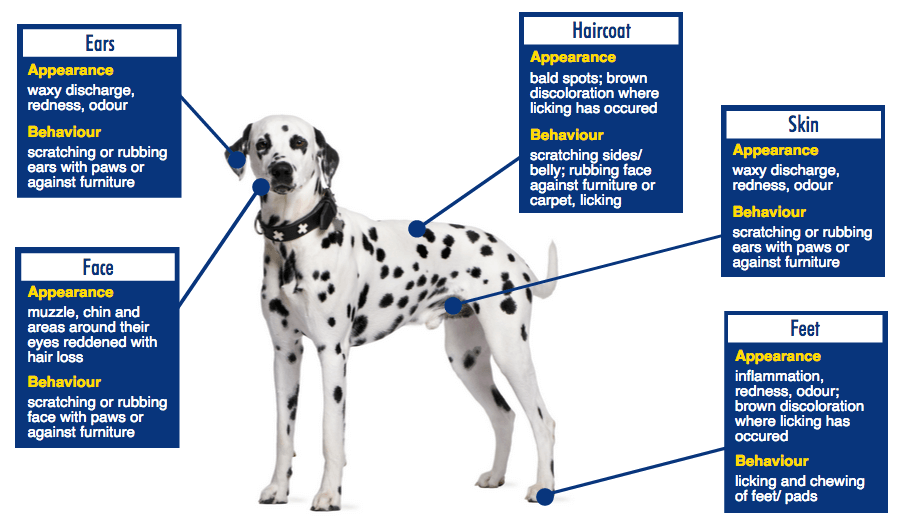
What Parts of a Dog’s Body Does Pruritus Affect?
Pruritus commonly affects ears, paws, the muzzle, and underbelly, though it can impact any body part.
How Is Pruritus Diagnosed by Vets?
Diagnosis involves a thorough history, physical examination, allergy testing, and possibly skin scrapings or biopsies to identify the underlying cause.
What Are the Best Treatments for Pruritus in Dogs?
Medications for Pruritus
- Types: Antihistamines, corticosteroids, immunosuppressants.
- Benefits: Reduce inflammation and immune response.
- Side Effects: Potential for increased thirst, appetite, and susceptibility to infections.
Topical Treatments for Pruritus
- Types: Medicated shampoos, creams.
- Benefits: Directly soothe and heal the skin.
- Side Effects: Rare, but may include skin irritation in sensitive dogs.
Allergen-specific Immunotherapy for Pruritus
- Benefits: Custom treatment for identified allergens, reducing sensitivity.
- Process: Involves regular injections or oral drops.
Dietary Changes for Pruritus
- Importance: Especially crucial for dogs with food allergies.
How do You Cure Pruritis in Dogs?
Curing pruritus involves a comprehensive approach to identify, diagnose and treat the underlying cause, often requiring lifestyle adjustments and ongoing care.
What are the Best Foods for Dogs with Pruritis?
Certain foods are the most likely causes for food related pruritis in dogs. These include the most common food allergens for dogs – beef, dairy products, chicken, wheat, lamb, soy corn, egg, pork, fish and rice. Barley, rabbit, chocolate, kidney bean and tomato are also reported as food allergens. (9)
The reasons these foods cause allergen related pruritus are:
- Protein Sensitivity: Dogs can develop sensitivities to specific proteins, leading to an allergic response. (10)
- Immune System Overreaction: Allergies occur when a dog’s immune system mistakenly identifies a harmless protein as a threat. (11)
- Genetic Factors: Some breeds are more prone to food allergies. (12)
Given the prevalence of food allergies, plant-based dog food can offer long-term relief from food-related pruritus. The following is a list of ingredients that provide natural anti-inflammatory support for dogs with pruritus.
Fruits
- Best Choices: Blueberries, cranberries, apples, pineapple, and watermelon for their anti-inflammatory phytonutrients.
- Benefits: Antioxidants and vitamins support skin health.
Vegetables
- Best Choices: Sweet potatoes, carrots, oats, kale, spinach, quinoa, and green beans, rich in vitamins and minerals as well as carotenoids and flavonoids.
- Benefits: Support immune system and reduce skin inflammation.
Aquatic Plants
- Example: Seaweed and algae, high in essential fatty acids particularly Omega-3 fatty acids with DHA, EPA and DPA
- Benefits: Anti-inflammatory and supports skin health.
Nuts and Seeds
- Best Choices: Flaxseeds, chia seeds, hemp seed for Omega-3 fatty acids.
- Benefits: Reduce inflammation and improve skin health.
Oils
- Best Choices: Coconut, hemp, rapeseed, olive and flaxseed oils.
- Benefits: Moisturise skin and provide essential fatty acids as well as anti-inflammatories.
Herbs, Botanicals, and Adaptogens
- Examples: Turmeric (curcumin), Reishi mushroom, ginger, parsley, echinacea, chamomile, Siberian ginseng, Panax ginseng, rosemary, sage and aloe vera stand out as being amongst the best herbs for dogs.
- Benefits: Natural anti-inflammatory properties.
Probiotics
- Sources: Fermented vegetables and probiotics for dogs like Calsporin.
- Benefits: Enhance gut health, improving immune function and skin health.
This exhaustive overview provides dog owners with detailed information on pruritus, addressing causes, symptoms, treatments, and dietary considerations to manage this condition effectively. Always consult with a veterinarian for a tailored treatment plan.
Bonza Superfoods and Ancient Grains is a vegan dog food that includes high quality, digestible hypoallergenic plant-based proteins and complex carbohydrates.
Home Remedies for Pruritus in Dogs
While veterinary guidance is essential for managing pruritus in dogs, several home remedies can provide relief and comfort to pets suffering from mild itching. These remedies should complement, not replace, professional treatment plans. Here’s a look at some effective home solutions:
Oatmeal Baths
- How to Use: Colloidal oatmeal baths can soothe irritated skin thanks to their anti-inflammatory properties. Dissolve pure colloidal oatmeal in warm water and let your dog soak for 10-15 minutes.
- Benefits: Provides immediate relief from itching and helps to calm inflamed skin.
Aloe Vera
- How to Use: Apply pure aloe vera gel (without alcohol or additives) directly to the affected areas. Ensure your dog doesn’t lick it off, as ingesting aloe vera can be harmful.
- Benefits: Aloe vera has cooling and healing properties, reducing redness and swelling.
Coconut Oil
- How to Use: Virgin coconut oil can be applied topically to your dog’s skin or added to their diet. For topical use, massage a small amount into the affected areas.
- Benefits: Coconut oil has antibacterial and antifungal properties, moisturizes the skin, and reduces itching.
Apple Cider Vinegar
- How to Use: Dilute apple cider vinegar with an equal amount of water and apply it to the itchy areas with a spray bottle or cloth. Avoid using on open wounds.
- Benefits: Apple cider vinegar can help balance skin pH and reduce itchiness. Its antibacterial properties may also prevent infections.
Omega-3 Fatty Acids
- How to Use: Supplement your dog’s diet with algal or seaweed extracts or oil, fish oil or flaxseed oil, rich in Omega-3 fatty acids. Consult your vet for the correct dosage.
- Benefits: Omega-3 supplements can reduce inflammation and improve skin health, leading to decreased itching.
Chamomile and Green Tea Soaks
- How to Use: Brew a strong tea using chamomile or green tea bags, then allow it to cool. Use the tea to rinse or soak your dog’s itchy skin areas.
- Benefits: Both chamomile tea and green tea have soothing and anti-inflammatory properties that can calm irritated skin.
Diet Adjustments
- How to Use: Incorporating anti-inflammatory foods into your dog’s diet, such as those rich in antioxidants and Omega-3 fatty acids, can help manage skin conditions from the inside out. Always consult with a vet before making significant dietary changes.
- Benefits: A well-balanced diet can improve skin health, reduce inflammation, and strengthen the immune system.
Keep the Environment Allergen-Free
- How to Use: Regular cleaning to remove dust, mold, and other potential allergens from your home can help reduce your dog’s exposure to irritants.
- Benefits: Minimising allergen exposure can prevent allergic reactions and reduce itching.
Proper Hydration
- How to Use: Ensure your dog has constant access to clean, fresh water to help maintain healthy skin and coat.
- Benefits: Hydration is crucial for overall health and can help keep the skin less prone to dryness and irritation.
Precautions
While home remedies can be beneficial, they’re not a substitute for professional veterinary care. Always monitor your dog’s reaction to any new treatment and consult with your veterinarian before trying home remedies, especially if your dog’s condition is severe or worsening. Identifying and treating the underlying cause of pruritus is essential for long-term relief and health.
The formula also contains PhytoPlus®, a proprietary blend of natural plant-based phytonutrients formulated to protect your dog against the most common health issues dogs suffer from, including pruritus, as well as the chronic diseases they increasingly face through their lives.
It is an excellent choice of dog food for dogs with sensitive kin and skin issues like pruritus.