Natural Antihistamines – Treatment Options for Dogs
With the approach of Spring, comes the increased likelihood of our dogs suffering from allergic reactions including rhinitis, flea and other insect bites, skin and environmental allergies, like pollen and grass seed reactions.
This extensive guide delves into the world of antihistamines, focusing on their natural sources and their roles in managing canine allergies. It highlights the mechanisms through which these natural remedies exert their effects and discusses considerations and cautions for their use.
Key Takeaways
Understanding Antihistamines
- Antihistamines work by either blocking H1 histamine receptors or preventing histamine release from mast cells
- They treat atopic dermatitis, seasonal allergies, food allergies, and flea bite reactions in dogs
Natural vs Pharmaceutical
- Pharmaceutical antihistamines (Benadryl, Zyrtec, Claritin) provide fast but temporary relief
- Natural antihistamines address underlying immune imbalances with fewer side effects, making them suitable for long-term management
- Natural options typically require 2–4 weeks of consistent use before showing significant improvement
Top Natural Antihistamines for Dogs
- Quercetin – “Nature’s Benadryl” – stabilises mast cells to prevent histamine release; dose: 5–10mg per pound body weight, twice daily
- Omega-3 fatty acids (DHA/EPA) – reduce skin inflammation and support barrier function; particularly effective for skin allergies
- Stinging nettle – blocks histamine receptors and provides additional nutritional benefits
- Turmeric/curcumin – inhibits inflammatory pathways; absorption increased 2000% when combined with black pepper
- Probiotics – modulate immune responses by supporting gut health, where 70% of the immune system resides
- Bromelain – enhances quercetin absorption and reduces inflammation
Best Combinations
- Quercetin + bromelain work synergistically (bromelain increases quercetin absorption)
- Turmeric + black pepper for enhanced bioavailability
- Omega-3s + quercetin for comprehensive skin allergy support
Important Cautions
- Always administer with food for better absorption and reduced stomach upset
- Some natural antihistamines can interact with medications—consult your vet if your dog takes prescription drugs
- For acute or severe allergic reactions, pharmaceutical options remain more appropriate
- “Natural” doesn’t mean risk-free—introduce supplements gradually and monitor for adverse reactions
When to See a Vet
- Facial swelling, breathing difficulties, or signs of anaphylaxis
- Symptoms not improving after 4–6 weeks of natural treatment
- Open wounds or skin infections from excessive scratching
Table of Contents
- Introduction
- Overview of Allergic Reactions in Dogs
- Importance of Understanding Antihistamines
- What are Antihistamines?
- Definition and Importance in Allergy Management
- How Do Antihistamines Work?
- H1 Receptor Blockade
- Histamine Release Inhibition
- What Allergies Can Antihistamines Treat?
- Atopic Dermatitis
- Seasonal Allergies (Pollens)
- Food Allergies
- Reactions to Flea Bites
- Pharmaceutical Antihistamines
- Common Options and Their Applications
- Diphenhydramine (Benadryl)
- Loratadine (Claritin)
- Cetirizine (Zyrtec)
- Common Options and Their Applications
- Natural vs Pharmaceutical Antihistamines: Understanding Your Options
- Natural Antihistamines
- Sources and Properties
- Quercetin
- Ginger
- Turmeric
- Stinging Nettle
- Butterbur
- Probiotics
- Black Pepper (Piper nigrum extract)
- Bromelain
- Vitamin C
- Perilla
- Sea Buckthorn
- Yarrow (Achillée)
- Omega-3 Fatty Acids (DHA and EPA)
- Black Cumin Seed Oil
- Vitamin D
- Echinacea
- Chamomile
- Liquorice
- L-theanine
- Chinese Skullcap
- Sources and Properties
- Choosing the Right Natural Antihistamine for Your Dog
- Natural Antihistamine Dosing Guide for Dogs
- Considerations and Cautions
- Dosage and Preparation
- Interaction with Drugs
- Individual Allergies
- Underlying Health Issues
- FAQ: Antihistamines for Allergies in Dogs
- What Can I Give My Dog as an Antihistamine?
- How Can I Treat My Dog’s Allergic Reaction Naturally?
- What Allergies Can Natural Antihistamines Treat?
- What Is the Best Natural Antihistamine for Dogs with Skin Allergies?
- What Is the Most Powerful Natural Antihistamine?
- Is Turmeric an Antihistamine?
- Is Honey an Antihistamine?
- Which Herbs are Natural Antihistamines?
- Conclusion
- Summary of Key Points
- References
What are Antihistamines?
Antihistamines are agents that inhibit the action of histamine, a compound released during allergic reactions that causes symptoms such as itching, swelling, and inflammation. By interfering with histamine’s ability to bind to its receptors, antihistamines help alleviate these allergic symptoms, making them crucial in allergy management.
How Do Antihistamines Work?
There are two primary actions of antihistamines: (1)
- H1 Receptor Blockade: Most antihistamines work by blocking the H1 histamine receptors on cells, preventing histamine from triggering allergic responses.
- Histamine Release Inhibition: Some natural antihistamines reduce the amount of histamine released from histamine-storing cells (mast cells and basophils).
What Allergies Can Antihistamines Treat?
Antihistamines are versatile in treating a variety of allergic conditions in dogs, such as:
Pharmaceutical Antihistamines
Common pharmaceutical antihistamines include:
- Diphenhydramine (Benadryl): Fast-acting, suitable for acute allergic reactions.
- Loratadine (Claritin): Less sedating, used for chronic allergy management.
- Cetirizine (Zyrtec): Preferred for skin allergies due to fewer side effects.
Natural Antihistamines for Dogs
These are substances derived from natural sources that exhibit antihistamine properties:
Quercetin
Quercetin is a flavonoid antioxidant found naturally in apples, berries, dark cherries, and parsley. Often called “Nature’s Benadryl,” quercetin is considered one of the most potent natural antihistamines available for dogs due to its proven ability to stabilise mast cells—the immune cells that store and release histamine during allergic reactions.
How it works: Quercetin prevents mast cells from degranulating and flooding the body with histamine when exposed to allergens. Unlike pharmaceutical antihistamines that simply block histamine receptors after release, quercetin stops the allergic cascade before it starts. Research published in Molecules (2016) confirms quercetin’s ability to suppress allergic immune responses and reduce inflammation at the cellular level.
Additional benefits: Beyond its antihistamine properties, quercetin acts as a powerful antioxidant that neutralises free radicals, supports cardiovascular health, and may help protect against certain cancers. It also helps reduce inflammation associated with arthritis and other chronic conditions.
Best paired with: Bromelain (from pineapple), which significantly increases quercetin’s bioavailability and adds complementary anti-inflammatory effects.
Stinging Nettle (Urtica dioica)
Stinging Nettle may seem counterintuitive as an allergy remedy given its notorious sting, but when dried or cooked, this nutritional powerhouse becomes a gentle yet effective antihistamine. Nettle has been used medicinally since ancient Greek times and contains a remarkable profile of vitamins (A, C, D, K, B-complex), minerals (iron, calcium, magnesium, potassium, silica), and therapeutic compounds.
How it works: Herbalists Gregory Tilford and Mary Wulff explain that nettle’s effectiveness against allergies may relate to its own histamine content—working on a “like cures like” principle where the plant stimulates the body to protect itself from allergen attack. Nettle also contains natural quercetin, amplifying its antihistamine effects. Research from the Herbal Science Group demonstrates nettle extract’s ability to inhibit key inflammatory events associated with allergic rhinitis, including histamine activity and prostaglandin formation.
Additional benefits: Nettle acts as a gentle diuretic supporting kidney function, provides iron for blood building, nourishes skin and coat health, and offers anti-inflammatory benefits for joint conditions. Cooled nettle tea can also be used externally as an eye rinse for mild conjunctivitis or as a skin rinse for itchy conditions.
Ginger
Ginger (Zingiber officinale) contains active compounds called gingerols and shogaols that deliver both antihistamine and immune-enhancing effects. This warming root has been valued in traditional medicine systems worldwide for thousands of years.
How it works: Gingerols inhibit histamine release from mast cells and basophils whilst simultaneously modulating the inflammatory response. Ginger also enhances immune system function, helping the body respond more appropriately to allergens rather than overreacting. Its anti-inflammatory action helps reduce the swelling and irritation associated with allergic responses.
Additional benefits: Supports digestive health and reduces nausea, provides antioxidant protection, helps with motion sickness, and offers warming circulatory support. Ginger’s digestive benefits are particularly valuable since gut health directly influences immune function and allergic responses.
Turmeric
Turmeric (Curcuma longa) contains curcumin, a compound with powerful anti-inflammatory and antioxidant properties that support allergy management through multiple pathways.
How it works: Curcumin inhibits the synthesis of inflammatory prostaglandins and blocks enzymes (COX-2 and LOX) involved in the inflammatory pathway. While not a direct antihistamine in the traditional sense, turmeric’s potent anti-inflammatory action addresses the downstream effects of histamine release—reducing the redness, swelling, and itching that characterise allergic reactions. Studies show curcumin can also help stabilise mast cells, reducing histamine release.
Absorption note: Curcumin has poor bioavailability on its own. Combining turmeric with black pepper (piperine) increases absorption by up to 2,000%, and consuming it with dietary fats further enhances uptake.
Additional benefits: Supports joint health, provides liver protection, offers cognitive support, and delivers broad-spectrum antioxidant activity.
Bromelain
Bromelain is a protein-digesting enzyme complex extracted from pineapple stems. While often used as a digestive aid, bromelain has significant anti-inflammatory and anti-allergic properties that make it valuable for allergy management.
How it works: Bromelain reduces mucosal inflammation and helps decrease nasal swelling associated with allergic responses. It also enhances the absorption of other beneficial compounds, particularly quercetin—making it an ideal companion supplement. Research indicates bromelain can reduce the thickness of mucus in respiratory passages, helping to ease breathing difficulties associated with allergies.
Additional benefits: Supports protein digestion, helps reduce swelling and bruising, and may support cardiovascular health through its effects on blood clotting factors.
Vitamin C
Found abundantly in Baobab, citrus fruits, and many vegetables, vitamin C is a potent antioxidant with natural antihistamine properties.
How it works: Vitamin C helps degrade histamine in the body, effectively reducing circulating histamine levels. It also supports the immune system’s ability to respond appropriately to allergens and provides antioxidant protection against the oxidative stress caused by chronic allergic inflammation. Studies show that vitamin C deficiency can lead to elevated blood histamine levels.
Additional benefits: Essential for collagen synthesis (supporting skin barrier integrity), wound healing, and immune function. Supports adrenal gland health, which is important for managing the stress response that can worsen allergies.
Probiotics
Probiotics are beneficial bacteria that support gut health—and since approximately 70% of the immune system resides in the gut, their role in allergy management is significant.
How it works: Probiotics can help shift immune responses away from the Th2-dominant pattern associated with allergies toward a more balanced Th1 response. They support intestinal barrier integrity, reducing the systemic exposure to allergens and inflammatory triggers that can occur with “leaky gut.” Specific probiotic strains have been shown to reduce IgE production and inflammatory cytokine levels.
Additional benefits: Support digestive health, help with nutrient absorption, may reduce anxiety through the gut-brain axis, and support overall immune resilience.
Omega-3 Fatty Acids (DHA, EPA, DPA)
Omega-3 fatty acids, particularly DHA (docosahexaenoic acid) and EPA (eicosapentaenoic acid), are essential fatty acids found in seaweed, algae, and fish oils that deliver powerful anti-inflammatory effects.
How it works: Omega-3s are incorporated into cell membranes throughout the body, including skin cells, where they alter inflammatory signalling pathways. They compete with pro-inflammatory omega-6 fatty acids, shifting the body’s inflammatory balance. Research demonstrates omega-3s can block the inflammatory chemicals leukotrienes and prostaglandins—the same targets as many pharmaceutical anti-inflammatory drugs. A randomised, double-blind trial found that dogs receiving omega-3 supplementation experienced a 46% reduction in allergy symptoms compared to placebo.
Additional benefits: Support skin barrier function, improve coat quality, benefit cardiovascular and cognitive health, and help maintain joint flexibility.
Perilla (Perilla frutescens)
Perilla is an Asian herb from the mint family containing rosmarinic acid and other compounds with potent anti-allergic properties.
How it works: Rosmarinic acid has been shown to suppress allergic immune responses by inhibiting inflammatory enzyme activity and reducing IgE production. Perilla also contains luteolin and other flavonoids that help stabilise mast cells and reduce histamine release.
Additional benefits: Provides antioxidant protection and supports respiratory health.
Sea Buckthorn
Sea Buckthorn (Hippophae rhamnoides) is a berry-producing shrub containing omega-7 fatty acids (palmitoleic acid), along with omega-3, 6, and 9, plus vitamins and antioxidants.
How it works: Omega-7 fatty acids have unique anti-inflammatory properties that support mucous membrane health throughout the body. Sea buckthorn helps reduce systemic inflammation and supports skin barrier repair—particularly valuable for dogs with skin allergies.
Additional benefits: Supports skin and coat health, aids wound healing, and provides digestive tract support.
Butterbur (Petasites hybridus)
Butterbur is a shrub that grows in Europe, Asia, and parts of North America, traditionally used for respiratory conditions and allergies.
How it works: Butterbur contains petasins, compounds that inhibit both leukotrienes and histamines—addressing two major pathways involved in allergic responses. Some studies suggest butterbur may be as effective as certain pharmaceutical antihistamines for managing seasonal allergy symptoms.
Important note: Only use butterbur products that have been processed to remove pyrrolizidine alkaloids (PAs), which can be harmful to the liver. Look for “PA-free” certified products.
Yarrow (Achillea millefolium)
Yarrow is a flowering plant used in traditional herbalism for its anti-inflammatory and wound-healing properties.
How it works: Yarrow contains sesquiterpene lactones and flavonoids that help reduce inflammation and support the body’s response to allergens. It has been traditionally used for skin conditions and to reduce inflammatory responses.
Additional benefits: Supports wound healing, digestive health, and has mild antimicrobial properties.
Black Cumin Seed Oil (Nigella sativa)
Black Cumin Seed Oil comes from the seeds of Nigella sativa and has been used in traditional medicine for over 2,000 years across Middle Eastern, Asian, and African cultures.
How it works: The primary active compound, thymoquinone, has been shown to modulate immune responses and reduce allergic inflammation. Black cumin seed oil helps balance immune function, reducing the hyperreactivity that characterises allergic conditions.
Additional benefits: Provides antioxidant protection, supports respiratory health, and has antimicrobial properties.
Vitamin D
Vitamin D is a fat-soluble vitamin that plays a crucial role in immune system regulation.
How it works: Vitamin D modulates immune responses, helping to prevent the immune system from overreacting to harmless substances. Research indicates that vitamin D deficiency is associated with increased allergic diseases, and adequate vitamin D status may help reduce allergic sensitivity.
Additional benefits: Essential for calcium absorption and bone health, supports muscle function, and promotes overall immune health.
Echinacea
Echinacea (Echinacea purpurea) is a flowering plant native to North America, widely used to support immune function.
How it works: Echinacea enhances immune system activity and may help modulate the immune response to allergens. Its anti-inflammatory properties help reduce the swelling and irritation associated with allergic reactions.
Additional benefits: Supports the body’s natural defences against infections and provides antioxidant protection.
Chamomile
Chamomile (Matricaria chamomilla) is a gentle herb with a long history of use for calming and anti-inflammatory purposes.
How it works: Chamomile contains apigenin and other flavonoids that inhibit histamine release from mast cells. Its anti-inflammatory and antispasmodic properties help soothe the irritation and discomfort associated with allergic reactions. Chamomile can be used both internally and topically.
Additional benefits: Promotes relaxation and sleep quality, supports digestive comfort, and can be used as a soothing skin rinse for irritated areas.
Liquorice (Glycyrrhiza glabra)
Liquorice root contains glycyrrhizin, a compound with natural corticosteroid-like effects that help manage inflammatory and allergic responses.
How it works: Glycyrrhizin mimics the effects of cortisol, the body’s natural anti-inflammatory hormone, helping to reduce allergic inflammation without the side effects of synthetic corticosteroids. Liquorice also supports adrenal function, which is important for managing the stress response that can exacerbate allergies. In Traditional Chinese Medicine, liquorice is considered a “harmoniser” that enhances the effects of other herbs.
Cautions: Liquorice should be used short-term and is not suitable for dogs with heart disease, hypertension, kidney disease, or those on certain medications. Always consult with a veterinarian before using liquorice.
L-Theanine
L-Theanine: An amino acid naturally found in green and black tea leaves, L-theanine promotes relaxation without sedation whilst helping to moderate the body’s histamine response. Research demonstrates its ability to reduce anxiety-related behaviours in dogs whilst simultaneously supporting healthy immune function and reducing allergic symptoms. L-theanine works by increasing levels of calming neurotransmitters including GABA, serotonin, and dopamine, which helps regulate the stress response that often exacerbates allergic reactions. Its dual action on both the nervous and immune systems makes it particularly valuable for dogs whose allergies worsen during stressful situations.
How it works: Modulates the stress-allergy connection by promoting alpha brain wave activity associated with calm alertness. Increases GABA and serotonin levels, which help regulate immune responses. Reduces cortisol and stress hormones that can amplify allergic reactions. Supports healthy inflammatory responses through antioxidant activity. Particularly effective when allergic symptoms are exacerbated by anxiety or environmental stressors.
Chinese Skullcap
Chinese Skullcap (Scutellaria baicalensis): A powerful medicinal herb used for centuries in Traditional Chinese Medicine, Chinese skullcap contains bioactive flavonoids including baicalin, baicalein, and wogonin that deliver potent anti-allergic effects. Research published in the Journal of Ethnopharmacology confirms its ability to reduce IgE antibodies and inflammatory cytokines—the key drivers of allergic responses. Unlike its cousin American skullcap (Scutellaria lateriflora), which primarily acts as a nervine, Chinese skullcap specifically targets immune and inflammatory pathways, making it exceptionally effective for allergic conditions including atopic dermatitis, seasonal allergies, and food sensitivities.
Important Note: Ensure you source Chinese skullcap (Scutellaria baicalensis), not American skullcap (Scutellaria lateriflora)—they are different plants with different therapeutic properties.
How it works: The flavonoids baicalin, baicalein, and wogonin work synergistically to suppress IgE-mediated allergic responses. Reduces IgE antibody production, which identifies allergens and triggers immune reactions. Lowers inflammatory cytokine levels (IL-4, IL-5, IL-13) that drive allergic inflammation. Inhibits mast cell degranulation, preventing histamine release at its source. Helps restore Th1/Th2 immune balance, shifting away from the Th2-dominant pattern associated with allergies. Additionally provides antioxidant protection against oxidative stress caused by chronic inflammation.
Black Pepper (Piper nigrum)
Black Pepper contains piperine, a compound that dramatically enhances the bioavailability of other nutrients and supplements.
How it works: Piperine increases the absorption of curcumin (from turmeric) by up to 2,000% and enhances the bioavailability of many other beneficial compounds. While not an antihistamine itself, black pepper is essential for maximising the effectiveness of anti-allergy supplements, particularly turmeric.
Additional benefits: Has antioxidant properties and may support digestive function.
Considerations and Cautions
While natural antihistamines offer safer alternatives to pharmaceuticals, they are not without risks. It is crucial to consider the following:
- Dosage and Preparation: The correct dosage and preparation method are key to ensuring safety and efficacy.
- Interaction with Drugs: Natural antihistamines can interact with other medications.
- Individual Allergies: Dogs may be allergic to the very substances intended to treat their allergies.
- Underlying Health Issues: Some ingredients, like liquorice, can exacerbate certain health conditions, such as heart disease.
Natural Antihistamine Dosing Guide for Dogs
Correct dosing is essential for both safety and efficacy when using natural antihistamines. The table below provides general dosing guidelines based on available research and clinical recommendations. Always start at the lower end of the dosage range and increase gradually while monitoring your dog’s response. Consult with your veterinarian before beginning any supplement regimen, particularly if your dog has underlying health conditions or takes prescription medications.
Important notes:
- Dosages are for adult dogs; puppies require special consideration and veterinary guidance
- Therapeutic effects typically require 2-4 weeks of consistent administration
- Some supplements work synergistically and may be combined for enhanced effect
- Individual dogs may respond differently; adjust based on your dog’s specific needs
Dosing Table (Format as HTML table in final article):
| Natural Antihistamine | Recommended Dosage | Frequency | Administration Notes |
|---|---|---|---|
| Quercetin | 10-22 mg per kg body weight | Twice daily | Best absorbed with food containing fat. Look for supplements combined with bromelain or pineapple for enhanced absorption. Start at lower dose. |
| Quercetin with Bromelain | 10-22 mg quercetin + 10-33 mg bromelain per kg body weight | Twice daily | For anti-inflammatory effects, give on empty stomach. For general allergy support, give with food. |
| Stinging Nettle (Dried) | Small dogs (<12kg): ⅛-½ tsp; Medium dogs (12-25kg): ½-¾ tsp; Large dogs (>25kg): ¾-1 tsp | Once or twice daily | Mix into food. Can also brew as tea (1 tsp per 240ml water, cooled). |
| Stinging Nettle (Tincture) | Small dogs (<12kg): 5-10 drops; Medium dogs (12-25kg): 10-20 drops; Large dogs (>25kg): 20-30 drops | 1-3 times daily | Glycerin-based tinctures are more palatable. Add to food or water. |
| Chinese Skullcap (Tincture) | ⅛ tsp (approximately 0.6ml) per 11kg body weight | Twice daily | Ensure product is Scutellaria baicalensis, not American skullcap. Adjust proportionally for weight. |
| L-Theanine | Small dogs (<10kg): 25-50 mg; Medium dogs (10-25kg): 50-100 mg; Large dogs (>25kg): 100-200 mg | Twice daily (every 6-12 hours) | Use products formulated for pets to avoid xylitol. Effects typically seen within 30-60 minutes. |
| Turmeric/Curcumin | 33-44 mg curcumin per kg body weight | Once or twice daily | MUST be given with black pepper (piperine) and fat for absorption. Note: this is curcumin content, not whole turmeric powder. |
| Omega-3 (DHA/EPA) | 44-110 mg combined EPA/DHA per kg body weight | Once daily | Give with food. Algae-based sources suitable for plant-based diets. Higher doses may be used for active skin conditions. |
| Bromelain | 10-33 mg per kg body weight | 1-3 times daily | For anti-inflammatory effects, give between meals. Often combined with quercetin. |
| Vitamin C | 10-22 mg per kg body weight | Twice daily | Dogs produce their own vitamin C but may benefit from supplementation during allergic episodes. Reduce dose if loose stools occur. |
| Chamomile (Tea) | Small dogs (<10kg): 1-2 tbsp cooled tea; Medium dogs (10-25kg): 2-4 tbsp; Large dogs (>25kg): 4-8 tbsp | 1-2 times daily | Brew 1 tsp dried chamomile in 240ml hot water, steep 10 minutes, cool completely before use. |
| Liquorice Root | 1-2 mg glycyrrhizin per kg body weight | Short-term use only | Use only under veterinary supervision. Not suitable for dogs with heart, kidney, or liver conditions. Limit to 2 weeks maximum. |
Dosing Cautions (include after table):
When to avoid or use caution:
- Quercetin: Avoid in dogs with kidney disease; may interact with medications metabolised through the P450 pathway (including tramadol, certain antibiotics, and blood pressure medications)
- Stinging Nettle: Not recommended for pregnant dogs; may interact with NSAIDs and affect blood sugar in diabetic dogs
- Chinese Skullcap: May interact with sedatives and other medications; use cautiously in dogs with liver conditions
- L-Theanine: Not intended for severe phobias, separation anxiety, or dogs with known aggression; avoid products containing xylitol
- Liquorice: Contraindicated in heart disease, hypertension, kidney disease; can interact with corticosteroids and diuretics; short-term use only
- Butterbur: Only use PA-free (pyrrolizidine alkaloid-free) certified products
- All supplements: Consult your veterinarian before use in pregnant or nursing dogs, puppies, or dogs with existing health conditions
Natural vs Pharmaceutical Antihistamines: Understanding Your Options
Both natural and pharmaceutical antihistamines can help manage allergic reactions in dogs, but they work through different mechanisms and offer distinct advantages and limitations. Understanding these differences helps you make informed decisions about your dog’s allergy management strategy. Many dog owners find that combining approaches—using pharmaceutical options for acute flare-ups whilst building long-term support through natural alternatives—provides the most comprehensive relief.
Comparison Table:
| Factor | Pharmaceutical Antihistamines | Natural Antihistamines |
|---|---|---|
| Examples | Diphenhydramine (Benadryl), Cetirizine (Zyrtec), Loratadine (Claritin), Chlorpheniramine | Quercetin, Stinging Nettle, Chinese Skullcap, Omega-3s, Bromelain |
| Primary Mechanism | Block H1 histamine receptors, preventing histamine from binding and triggering symptoms | Multiple mechanisms: stabilise mast cells, reduce histamine release, modulate immune response, reduce inflammation |
| Onset of Action | Rapid: 30-60 minutes | Gradual: 1-4 weeks for optimal effects |
| Duration of Effect | 4-24 hours depending on drug | Cumulative with consistent use |
| Addresses Root Cause | No—blocks symptoms only; histamine still released | Partially—addresses immune imbalance and inflammation at source |
| Common Side Effects | Drowsiness/sedation, dry mouth, urinary retention, gastrointestinal upset | Generally well-tolerated; occasional mild GI upset when starting |
| Long-term Use | May cause tolerance; some concerns with extended use | Generally safe for extended use; supports overall health |
| Interaction Concerns | May interact with sedatives, other antihistamines, certain medications | Some herbs interact with medications; quercetin affects P450 pathway |
| Best For | Acute allergic reactions, rapid symptom relief, breakthrough symptoms | Long-term management, prevention, overall immune support |
| Cost Comparison | Generally lower initial cost; ongoing expense | Higher initial investment; may reduce need for prescriptions long-term |
| Additional Health Benefits | Limited to antihistamine effects | Antioxidant, anti-inflammatory, immune-modulating, nutritional benefits |
| Veterinary Oversight | Recommended for dosing | Recommended, especially when combining with medications |
Key Takeaways (include after table):
When pharmaceutical antihistamines may be preferred:
- Acute allergic reactions requiring rapid relief
- Severe symptoms not adequately controlled by natural options alone
- Emergency situations (though anaphylaxis requires veterinary intervention)
- As breakthrough treatment during severe flare-ups
When natural antihistamines may be preferred:
- Mild to moderate chronic allergies
- Long-term allergy management and prevention
- Dogs who experience side effects from pharmaceutical options
- Owners seeking to address underlying immune imbalances
- As complementary therapy alongside other treatments
Combining approaches: Many veterinary nutritionists recommend using natural antihistamines as baseline support, with pharmaceutical options reserved for acute flare-ups. This integrative approach may allow lower doses of pharmaceuticals whilst maintaining symptom control. Always consult your veterinarian before combining treatments.
Choosing the Right Natural Antihistamine for Your Dog
Not all allergies are the same, and different natural antihistamines excel at addressing different types of allergic conditions. Use this guide to identify which natural antihistamines are most likely to help your dog’s specific symptoms. For best results, consider combining complementary options that address multiple aspects of the allergic response.
Best For: Skin Allergies & Atopic Dermatitis
Primary Recommendations:
- Omega-3 Fatty Acids (DHA/EPA) – Directly support skin barrier function, reduce skin inflammation, improve coat quality
- Quercetin – Reduces histamine-driven itching and inflammation at the cellular level
- Stinging Nettle – Supports skin health internally; can be used as external rinse for itchy areas
Supporting Options:
- Vitamin E (topically and internally)
- Sea Buckthorn (omega-7 for skin barrier repair)
- Chamomile (topical rinse for soothing)
- Probiotics (gut-skin axis support)
Why this combination works: Skin allergies require both internal immune modulation and direct skin support. Omega-3s rebuild the skin barrier whilst quercetin reduces the histamine response causing itching. Nettle provides nutritional support for skin regeneration.
Best For: Seasonal/Environmental Allergies (Hay Fever)
Primary Recommendations:
- Quercetin – Stabilises mast cells before they release histamine; “Nature’s Benadryl”
- Stinging Nettle – Traditional remedy for hay fever; inhibits multiple inflammatory pathways
- Butterbur (PA-free) – Shown in studies to be as effective as some pharmaceutical antihistamines for seasonal symptoms
Supporting Options:
- Chinese Skullcap (reduces IgE antibody response)
- Bromelain (reduces nasal swelling, enhances quercetin absorption)
- Vitamin C (helps degrade circulating histamine)
Why this combination works: Seasonal allergies involve rapid histamine release in response to pollen exposure. Quercetin and nettle work preventively when given consistently before and during allergy season, whilst butterbur provides additional symptomatic relief.
Timing tip: Begin supplementation 2-3 weeks before your dog’s typical allergy season starts for best preventive effect.
Best For: Food Allergies & Sensitivities
Primary Recommendations:
- Probiotics – Support gut barrier integrity and modulate immune responses in the digestive tract
- Quercetin – Reduces gastrointestinal inflammation triggered by food sensitivities
- Omega-3 Fatty Acids – Anti-inflammatory support throughout the digestive system
Supporting Options:
- L-Glutamine (gut lining repair – not covered in main article but worth mentioning)
- Digestive enzymes including Bromelain
- Chinese Skullcap (helps restore Th1/Th2 immune balance)
Important note: Natural antihistamines can help manage symptoms of food allergies but cannot replace proper diagnosis and dietary management. Identifying and eliminating the offending ingredient through an elimination diet remains essential for dogs with confirmed food allergies.
Why this combination works: Food allergies originate in the gut, where 70% of the immune system resides. Probiotics address the root of the problem by supporting healthy gut function, whilst quercetin and omega-3s reduce the inflammatory response to dietary triggers.
Best For: Flea Allergy Dermatitis
Primary Recommendations:
- Omega-3 Fatty Acids – Reduce skin inflammation from previous bites
- Quercetin with Bromelain – Address histamine response and inflammation
- Chamomile (topical) – Soothe affected skin areas
Supporting Options:
- Vitamin E (skin healing)
- Aloe vera (topical soothing)
- Liquorice (short-term for acute inflammation, under veterinary guidance)
Critical note: No antihistamine—natural or pharmaceutical—can adequately control flea allergy dermatitis while flea exposure continues. Effective flea prevention is the essential foundation of treatment. Natural antihistamines then help manage residual inflammation and support skin healing.
Best For: Stress-Related Allergy Flare-Ups
Primary Recommendations:
- L-Theanine – Calms the nervous system whilst supporting healthy immune function
- Chamomile – Gentle calming effects with antihistamine properties
- Chinese Skullcap – Traditional use for both anxiety and allergies
Supporting Options:
- Quercetin (baseline antihistamine support)
- Probiotics (gut-brain axis support)
- Omega-3s (support healthy stress response)
Why this combination works: Stress hormones like cortisol can suppress immune function and alter immune responses, often making allergies worse. L-theanine and chamomile address the stress component whilst still providing anti-allergy benefits, breaking the stress-allergy cycle.
Best For: Comprehensive Long-Term Allergy Management
The Synergistic Stack: For dogs with chronic, multi-factorial allergies, this combination addresses multiple pathways:
- Quercetin with Bromelain – Mast cell stabilisation, histamine reduction
- Omega-3 Fatty Acids – Anti-inflammatory, skin support
- Probiotics – Immune modulation, gut health
- Stinging Nettle OR Chinese Skullcap – Additional antihistamine/immune support
How to implement:
- Start with one supplement at a time, allowing 1-2 weeks between additions
- Monitor your dog’s response to each before adding the next
- Adjust based on which combinations provide the best relief
- Maintain consistent daily administration for cumulative benefits
Quick Reference: Natural Antihistamine Selection Guide
| Allergy Type | First Choice | Second Choice | Third Choice |
|---|---|---|---|
| Skin/Atopic | Omega-3s | Quercetin | Nettle |
| Seasonal/Pollen | Quercetin | Nettle | Butterbur |
| Food Sensitivities | Probiotics | Quercetin | Omega-3s |
| Flea Allergy | Omega-3s | Quercetin + Bromelain | Chamomile (topical) |
| Stress-Related | L-Theanine | Chamomile | Chinese Skullcap |
| General/Multiple | Quercetin + Bromelain | Omega-3s | Probiotics |
FAQ: Antihistamines for Allergies in Dogs
Pharmaceutical antihistamines like diphenhydramine (Benadryl), cetirizine (Zyrtec), and loratadine (Claritin) work by directly blocking H1 histamine receptors, providing rapid but temporary symptom relief. Natural antihistamines, including quercetin, stinging nettle, and turmeric, work through multiple pathways—stabilising mast cells to prevent histamine release, modulating immune responses, and reducing inflammation at its source. While pharmaceuticals offer faster-acting relief, natural alternatives address underlying imbalances and typically produce fewer side effects, making them suitable for long-term allergy management.
Quercetin earned this nickname because it functions similarly to the pharmaceutical antihistamine but through natural mechanisms. This flavonoid stabilises mast cells—the immune cells that store and release histamine—preventing them from degranulating and flooding the body with histamine during an allergic response. Research demonstrates quercetin’s ability to inhibit histamine synthesis and release while simultaneously providing potent antioxidant and anti-inflammatory benefits. Unlike Benadryl, quercetin doesn’t cause drowsiness and can be used safely for extended periods.
Yes, clinical evidence and phytotherapy research increasingly support the efficacy of natural antihistamines in managing canine allergies. Quercetin has been specifically studied in dogs and shown to reduce allergic symptoms effectively. The key distinction is that natural antihistamines typically require consistent administration over days or weeks to reach optimal effectiveness, whereas pharmaceutical options provide more immediate but shorter-lived relief. Many veterinary nutritionists now recommend natural antihistamines as first-line treatments for mild to moderate allergies or as complementary therapies alongside conventional treatments.
Most natural antihistamines require 2-4 weeks of consistent daily administration before you’ll observe significant improvement in your dog’s allergy symptoms. This differs substantially from pharmaceutical antihistamines, which may provide relief within 30-60 minutes. The delayed onset occurs because natural antihistamines work by rebalancing immune function and reducing chronic inflammation rather than simply blocking histamine receptors. For acute allergic reactions requiring immediate intervention, pharmaceutical options remain more appropriate, but natural antihistamines excel for ongoing seasonal or environmental allergy management.
The generally recommended quercetin dosage for dogs is 5-10mg per pound of body weight, administered twice daily. For a 20kg (44lb) dog, this translates to approximately 220-440mg twice daily. It’s advisable to start at the lower end of this range and increase gradually while monitoring your dog’s response. Quercetin should be given with food to enhance absorption and reduce the possibility of mild gastrointestinal upset. Look for supplements that combine quercetin with bromelain, as this pineapple-derived enzyme significantly increases quercetin’s bioavailability.
You can use human quercetin supplements for dogs, provided you verify the product contains only quercetin (and potentially bromelain) without additional ingredients harmful to dogs. Critically, avoid any supplements containing xylitol, an artificial sweetener that is highly toxic to dogs. Calculate the appropriate dose based on your dog’s weight, using the human dosage (typically formulated for a 150lb person) as your reference point. Dog-specific formulations often prove more convenient for accurate dosing and may include additional beneficial compounds tailored to canine needs.
Stinging nettle can be administered in several forms. For dried nettle leaf, a general guideline is 1 gram per 10 pounds of body weight daily, mixed into food. Nettle tinctures typically use approximately 2 drops per 10 pounds of body weight daily. You can also prepare nettle tea by steeping dried nettle in hot water, cooling it, and adding it to your dog’s food or water. Start with lower doses and increase gradually, as nettle’s diuretic properties may cause increased urination initially.
dminister natural antihistamines with food in most cases. Fat-soluble compounds like quercetin and curcumin (from turmeric) demonstrate significantly improved absorption when consumed alongside dietary fats. Some dogs experience mild nausea or reduced appetite when given quercetin on an empty stomach. Giving supplements with meals also makes administration more convenient and helps establish a consistent routine. The exception is if your veterinarian provides specific contrary instructions based on your dog’s individual circumstances.
Yes, combining complementary natural antihistamines often enhances effectiveness. Quercetin and bromelain work synergistically—bromelain increases quercetin absorption while contributing its own anti-inflammatory benefits. Adding omega-3 fatty acids addresses inflammation through different pathways, potentially amplifying overall relief. Turmeric combined with black pepper (piperine) demonstrates enhanced bioavailability and provides additional anti-inflammatory action. When combining supplements, start each one individually to monitor for any adverse reactions before adding additional compounds.
Natural antihistamines are generally considered safe for most dogs when used appropriately. They typically produce fewer side effects than pharmaceutical alternatives, which commonly cause drowsiness, dry mouth, and urinary retention. However, “natural” doesn’t automatically mean “harmless.” Some dogs may be sensitive to specific natural compounds, and certain ingredients can interact with medications or exacerbate underlying health conditions. Liquorice root, for example, can affect dogs with heart disease or hypertension. Always introduce new supplements gradually and consult your veterinarian, particularly if your dog has existing health conditions or takes prescription medications.
Quercetin is well-tolerated by most dogs, with side effects being uncommon and generally mild. The most frequently reported issues include temporary gastrointestinal upset, reduced appetite, or nausea—typically occurring when quercetin is given on an empty stomach. These effects usually resolve when the supplement is administered with food. Dogs taking medications metabolised through the cytochrome P450 pathway should use quercetin under veterinary supervision, as it may affect drug metabolism. At recommended doses, serious adverse effects are rare.
Caution is warranted when considering natural antihistamines for puppies. Young dogs have developing immune and digestive systems that may respond differently to supplements than adult dogs. Most natural antihistamine research involves adult animals, leaving less certainty about appropriate puppy dosages and safety profiles. For puppies showing allergy symptoms, veterinary consultation is particularly important to rule out other causes and determine appropriate interventions. If natural antihistamines are deemed appropriate, starting doses should be conservative and carefully monitored.
Limited research exists regarding the safety of most natural antihistamines during pregnancy and lactation in dogs. Some herbs and supplements may affect hormone levels or cross into breast milk. Butterbur, for instance, contains pyrrolizidine alkaloids that require removal through processing before safe use. Pregnant and nursing dogs have heightened sensitivity to various compounds, making veterinary guidance essential before introducing any supplements. For dogs requiring allergy management during pregnancy or nursing, your veterinarian can recommend the safest approach.
Yes, potential interactions exist between natural antihistamines and certain medications. Quercetin may affect the metabolism of drugs processed through the P450 enzyme pathway, potentially altering their effectiveness or increasing side effects. Omega-3 fatty acids can enhance the effects of blood-thinning medications. Liquorice may interact with corticosteroids, diuretics, and cardiac medications. Natural antihistamines should not be combined with pharmaceutical antihistamines without veterinary approval, as this could lead to excessive antihistamine effects. Always provide your veterinarian with a complete list of all supplements your dog receives.
For skin allergies and atopic dermatitis, omega-3 fatty acids (DHA and EPA) combined with quercetin typically provide the most comprehensive relief. Omega-3s directly address skin inflammation, improve coat condition, and support skin barrier function, while quercetin reduces the histamine response driving itching and irritation. This combination addresses both the symptoms and underlying inflammatory processes. Supplementation with evening primrose oil or sea buckthorn can provide additional skin support through their omega-6 and omega-7 fatty acid content respectively.
Seasonal allergies respond well to quercetin, stinging nettle, and butterbur—all of which specifically target the hay fever-type responses triggered by pollen exposure. Quercetin stabilises mast cells to prevent histamine release, nettle blocks histamine receptors, and butterbur inhibits both leukotrienes and histamines. Beginning supplementation 2-3 weeks before the allergy season starts can help prime your dog’s system for reduced reactivity. Many dog owners find success combining these supplements with regular paw washing and limiting outdoor exposure during peak pollen times.
Natural antihistamines can help manage symptoms associated with food allergies, but they don’t address the root cause. Identifying and eliminating the offending ingredient through an elimination diet remains essential. Probiotics offer particular value for food allergies by supporting gut barrier integrity and modulating immune responses in the digestive tract. Quercetin’s anti-inflammatory properties can reduce gastrointestinal inflammation triggered by food sensitivities. However, for dogs with confirmed food allergies, dietary modification is primary therapy, with natural antihistamines serving as supportive care.
Flea allergy dermatitis requires effective flea prevention as the foundation of treatment—no antihistamine, natural or pharmaceutical, can adequately control symptoms while flea exposure continues. Once flea prevention is established, quercetin and omega-3 fatty acids help reduce skin inflammation and itching resulting from previous bites. Topical application of aloe vera or chamomile can soothe affected skin areas. Some dogs benefit from liquorice root’s corticosteroid-like effects for reducing acute inflammation, though this should be used short-term and under guidance.
Chronic ear problems in allergic dogs often stem from the same inflammatory processes affecting the skin. Natural antihistamines addressing systemic inflammation—particularly omega-3 fatty acids and quercetin—may help reduce the frequency and severity of allergic ear flare-ups. However, active ear infections require direct veterinary treatment; natural antihistamines alone cannot resolve established infections. Consider natural antihistamines as preventive and supportive care rather than treatment for existing ear problems.
Several dog-safe foods provide natural antihistamine compounds. Blueberries, apples (without seeds), and dark cherries contain quercetin. Pineapple provides bromelain. Ginger offers gingerols with antihistamine properties. Green vegetables like broccoli and spinach contribute quercetin and additional anti-inflammatory compounds. Fatty fish or algae-based supplements deliver omega-3 fatty acids. Note that some quercetin-rich human foods are toxic to dogs—onions and grapes must be strictly avoided despite their quercetin content.
Diet modifications can significantly impact allergy management. Transitioning to a high-quality, nutritionally complete food that avoids common allergens and includes natural anti-inflammatory ingredients provides foundational support. Foods rich in omega-3 fatty acids, antioxidants, and prebiotics support healthy immune function and reduce chronic inflammation. Plant-based diets often prove beneficial for dogs with meat protein sensitivities. While whole-food sources of natural antihistamines contribute meaningfully, therapeutic doses typically require concentrated supplements alongside dietary improvements.
Coconut oil isn’t technically an antihistamine, but it does offer properties beneficial for allergic dogs. Its medium-chain triglycerides (MCTs) possess anti-inflammatory and antimicrobial qualities. Applied topically, coconut oil can soothe dry, irritated skin and support skin barrier function. Given orally in appropriate amounts (typically 1 teaspoon per 10 pounds of body weight daily), it may contribute to reduced inflammation. However, coconut oil should complement rather than replace true natural antihistamines for dogs with significant allergy symptoms.
Apple cider vinegar is often promoted as an allergy remedy, but evidence supporting its antihistamine properties is limited. Some owners report benefits from diluted topical applications for itchy skin, possibly due to its antimicrobial and pH-balancing effects rather than antihistamine activity. Internal use requires caution—the acidity may upset some dogs’ stomachs, and it should never be given undiluted. Apple cider vinegar might serve as a complementary remedy but shouldn’t be relied upon as a primary natural antihistamine.
Monitor specific symptoms before starting supplementation and track changes over 4-6 weeks. Indicators of improvement include reduced scratching, licking, and chewing; less redness and skin irritation; decreased ear shaking or pawing; improvement in coat quality; and reduced watery eyes or sneezing. Keep a simple daily log noting symptom severity on a 1-10 scale. Photograph affected skin areas weekly for visual comparison. Remember that natural antihistamines work gradually—expect progressive improvement rather than dramatic overnight change.
Seek veterinary care for: severe or rapidly worsening symptoms; facial swelling, especially around eyes, muzzle, or throat; breathing difficulties or wheezing; persistent vomiting or diarrhoea; signs of anaphylaxis (collapse, extreme weakness, pale gums); open wounds or skin infections from excessive scratching; symptoms not improving after 4-6 weeks of natural treatment; or any acute allergic reaction requiring immediate intervention. Natural antihistamines work best for mild to moderate chronic allergies—severe or emergency situations require conventional veterinary medicine.
Many veterinarians support combining natural antihistamines with prescription allergy medications, as they work through different mechanisms. This integrative approach may allow lower doses of pharmaceuticals while maintaining symptom control. Omega-3 fatty acids, in particular, complement immunosuppressive therapies well. However, never modify prescription medication doses without veterinary approval. Discuss your interest in natural adjunct therapies with your veterinarian, who can advise on safe combinations and monitor your dog’s response.
Several strategies help with supplement administration. Liquid or powder forms can be mixed thoroughly into wet food, making them harder to detect. Encapsulated supplements can be hidden in high-value treats like small pieces of banana or a smear of dog-safe nut butter. Some dogs accept supplements crushed and mixed with a small amount of bone broth or gravy. Consistency in timing helps dogs accept supplements as part of their routine. If using multiple supplements, introduce them one at a time to prevent overwhelming your dog with unfamiliar tastes.
The answer depends on your dog’s allergy pattern. Dogs with seasonal allergies may benefit from starting supplementation 2-3 weeks before their typical flare-up period and continuing through the season. Year-round supplementation suits dogs with persistent environmental allergies, food sensitivities, or multiple allergy triggers. Some owners find that consistent supplementation throughout the year prevents the immune system from becoming hyperreactive when allergens increase. Cost, convenience, and your dog’s specific response pattern should guide this decision in consultation with your veterinarian.
Turmeric is generally safe and beneficial for allergic dogs. Its active compound, curcumin, provides potent anti-inflammatory effects by blocking enzymes in the inflammatory pathway. For allergies, turmeric helps reduce skin inflammation and supports overall immune health. Administration with black pepper (containing piperine) dramatically increases curcumin absorption—by up to 2000%. Turmeric should be given with food containing some fat for optimal absorption. Recommended dosing typically ranges from 15-20mg of curcumin per pound of body weight daily, though this refers to curcumin content, not whole turmeric powder.
Stinging nettle (Urtica dioica) provides multifaceted allergy support. It naturally blocks histamine receptors, reducing allergy symptoms at their point of action. Beyond antihistamine effects, nettle is rich in vitamins, minerals, and antioxidants that support overall health and immune function. It contains natural quercetin, adding to its antihistamine properties. Additionally, nettle supports kidney function and may help with seasonal allergies involving respiratory symptoms. The dried or cooked form is safe for dogs—raw nettle’s stinging hairs are neutralised through drying or heating.
Omega-3 fatty acids (particularly DHA and EPA) help allergic dogs through several mechanisms. They’re incorporated into cell membranes throughout the body, including skin cells, altering inflammatory signalling pathways. Omega-3s compete with pro-inflammatory omega-6 fatty acids, shifting the body’s inflammatory balance. They support skin barrier integrity, reducing allergen penetration and moisture loss. Research demonstrates omega-3 supplementation reduces itching, improves coat quality, and decreases the need for pharmaceutical interventions in many allergic dogs. Algae-based sources provide sustainable, plant-based omega-3s appropriate for dogs on plant-based diets.
Chamomile offers gentle antihistamine and anti-inflammatory properties suitable for dogs with allergies. Its flavonoid compounds inhibit histamine release from mast cells. Chamomile can be used both internally and topically. Cooled chamomile tea applied to irritated skin provides soothing relief. Given orally in appropriate amounts (typically as a tea or tincture), it supports relaxation alongside allergy relief—beneficial for dogs whose itching causes anxiety or sleep disruption. Ensure you use dog-appropriate preparations and start with small amounts to confirm your dog tolerates it well.
CBD (cannabidiol) isn’t technically an antihistamine but may benefit allergic dogs through different mechanisms. It interacts with the endocannabinoid system, which helps regulate immune responses and inflammation. Research suggests CBD may modulate the immune system’s reactivity to allergens and reduce inflammatory responses in the skin. Some pet owners report significant improvement in their dogs’ allergy symptoms with CBD supplementation. However, CBD works through different pathways than true antihistamines and should be considered a complementary approach rather than a direct antihistamine replacement.
While natural antihistamines cannot prevent allergies from developing, they may help reduce the likelihood of severe sensitisation and symptom progression. Supporting a healthy, balanced immune system through proper nutrition, omega-3 fatty acids, and probiotics from early life may influence how the immune system responds to potential allergens. Dogs with genetic predisposition to allergies might benefit from proactive immune support, though this won’t override inherited susceptibility. The best preventive approach combines appropriate nutrition, environmental management, and immune support.
Environmental management significantly reduces allergen exposure and antihistamine requirements. Regular bathing removes surface allergens from coat and skin. Washing bedding weekly in hot water eliminates dust mites and pollen. Using air purifiers with HEPA filters reduces indoor allergens. Wiping paws after walks removes pollen and environmental irritants. Addressing gut health through probiotics and appropriate diet supports balanced immune function. Identifying and eliminating specific triggers through testing or elimination protocols may dramatically reduce or eliminate the need for ongoing antihistamine therapy.
Probiotics influence allergy management by modulating immune function in the gut, where approximately 70% of the immune system resides. They can help shift immune responses away from the hyperreactive Th2-dominant pattern associated with allergies toward a more balanced Th1 response. Specific probiotic strains support intestinal barrier integrity, reducing systemic exposure to allergens and inflammatory triggers. For dogs with food allergies or sensitivities, probiotics help maintain healthy gut flora and support proper digestion. While not antihistamines themselves, probiotics complement antihistamine therapy by addressing underlying immune imbalances.
The choice depends on your dog’s specific situation. Pharmaceutical antihistamines suit acute allergic reactions, severe symptoms requiring rapid relief, or situations where natural options haven’t provided adequate control. Natural antihistamines are preferable for mild to moderate chronic allergies, long-term management, dogs sensitive to pharmaceutical side effects, or pet owners preferring holistic approaches. Many veterinary nutritionists recommend starting with natural options for non-emergency situations, adding or switching to pharmaceuticals if needed. An integrative approach combining both often provides optimal results for complex cases.
Both quercetin and stinging nettle demonstrate antihistamine properties, but they work through different mechanisms that may complement each other. Quercetin stabilises mast cells to prevent histamine release—essentially stopping the allergic cascade before it starts. Stinging nettle blocks histamine receptors, preventing histamine that has been released from triggering symptoms. For this reason, combining both often proves more effective than either alone. Quercetin has more extensive research supporting its use, while nettle offers additional nutritional benefits. Individual dogs may respond better to one or the other—trial and observation guide optimal selection.
Natural antihistamines often prove more economical than prescription options like Apoquel or Cytopoint, particularly for long-term use. Quality quercetin supplements, omega-3 fatty acids, and herbal preparations typically cost significantly less monthly than ongoing prescription medication. However, cost comparison should consider effectiveness—an inexpensive remedy that doesn’t adequately control symptoms provides poor value. The most cost-effective approach often combines natural antihistamines for baseline control with occasional pharmaceutical intervention during severe flare-ups, potentially reducing overall prescription medication requirements.
L-theanine dosing depends on your dog’s weight and the specific product formulation. General guidelines suggest: small dogs under 10kg receive 25-50mg, medium dogs 10-25kg receive 50-100mg, and large dogs over 25kg receive 100-200mg, administered twice daily. Doses can be given every 6-12 hours as needed. Always use products formulated specifically for pets, as some human L-theanine supplements contain xylitol, which is toxic to dogs. Effects are typically noticed within 30-60 minutes. L-theanine is not recommended for dogs with severe phobias, separation anxiety, or known aggression histories.
Chinese skullcap (Scutellaria baicalensis) is generally considered safe for dogs when used appropriately. Research supports its anti-allergic and anti-inflammatory properties, particularly through its active flavonoids baicalin, baicalein, and wogonin. The typical dosage is ⅛ teaspoon of tincture per 11kg body weight, given twice daily. Important: ensure you purchase Chinese skullcap (Scutellaria baicalensis) rather than American skullcap (Scutellaria lateriflora), as they are different plants with different properties. Consult your veterinarian before use, especially if your dog takes other medications or has liver conditions.
Yes, combining complementary natural antihistamines often enhances effectiveness since they work through different mechanisms. Quercetin and bromelain are a classic pairing—bromelain increases quercetin absorption while contributing its own anti-inflammatory benefits. Adding omega-3 fatty acids addresses inflammation through yet another pathway. When combining supplements, introduce each one individually first, allowing 1-2 weeks to monitor for any adverse reactions before adding additional compounds. Start each at the lower end of the dosage range. Always inform your veterinarian about all supplements your dog receives.
Pharmaceutical antihistamines like Benadryl (diphenhydramine) typically provide relief within 30-60 minutes but only address symptoms temporarily. Natural antihistamines work differently—they require 2-4 weeks of consistent daily administration before you’ll observe significant improvement. This is because natural antihistamines work by rebalancing immune function and reducing chronic inflammation rather than simply blocking histamine receptors. For acute allergic reactions requiring immediate intervention, pharmaceutical options remain more appropriate. Natural antihistamines excel at ongoing seasonal or environmental allergy management and may reduce the need for pharmaceutical interventions over time.
With increasing interest, and success, in treating allergic reactions naturally, the use of phytotherapy, is gaining momentum with significant success. (2, 3, 4) This guide aims to provide a definitive understanding of natural and pharmaceutical antihistamines, their mechanisms, and their safe use in managing allergies in dogs. Always consult with a veterinarian before beginning any new treatment to ensure it is safe for your specific pet.
Bonza Superfoods and Ancient Grains is a plant-based, vegan and vegetarian friendly dog food. It has been formulated to provide natural, holistic support for your dog against the most common health issues they are likely to suffer from, including allergies.
The formula includes the following natural antihistamines to provide support in combatting allergic reactions that benefit from antihistamine treatment:
- Turmeric
- Chamomile
- Echinacea
- Ginger
- Omega-3 with DHA, EPA and DPA
- Probiotics
- Baobab (for Vitamin C)
- Pineapple (for Bromelain)
- Vitamin D
- Black Pepper (Piper negrum)
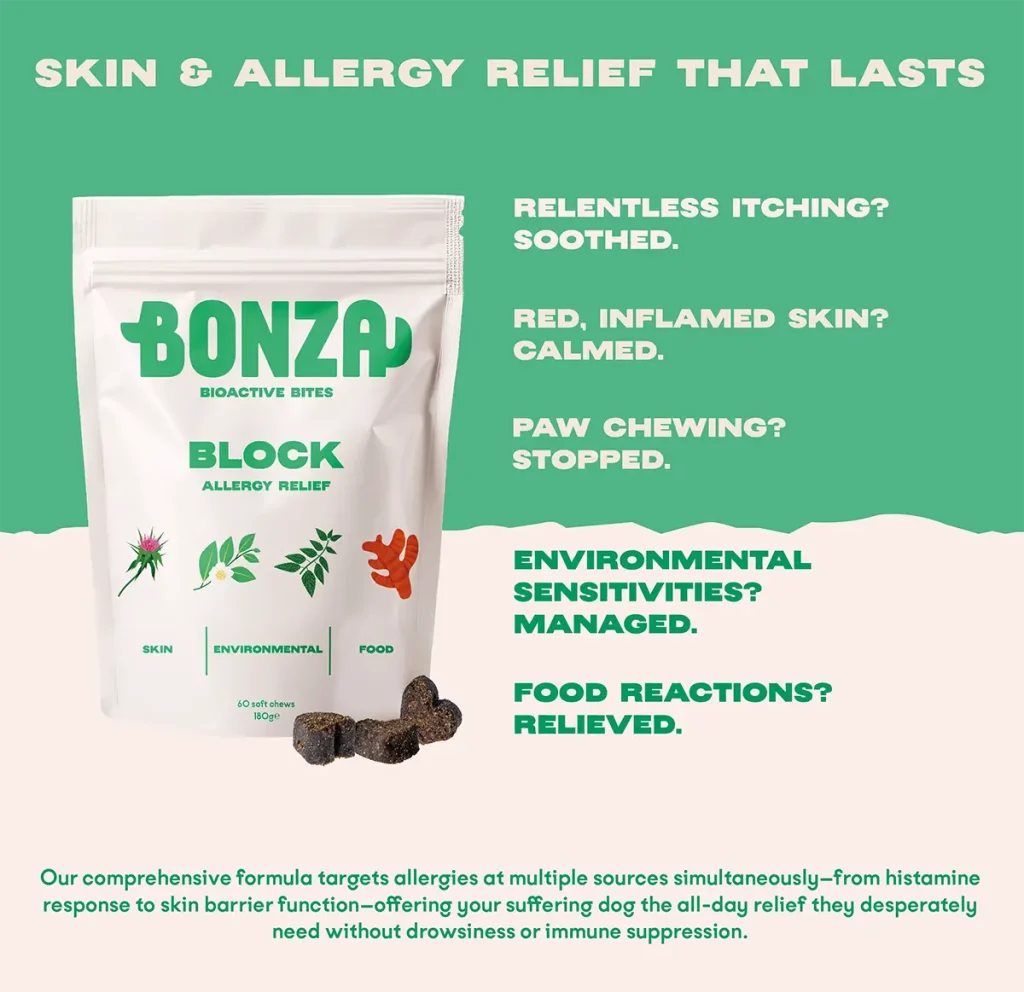
Bonza also offers a highly effective natural antihistamine supplement for dog allergies, Bonza Block, that includes a blend of powerful ingredients that target the causes of the most common dog allergic responses – food, environmental and pests, including fleas.
References:
1. QUERCETIN
Primary Review Articles
Mlcek J, Jurikova T, Skrovankova S, Sochor J. “Quercetin and Its Anti-Allergic Immune Response.” Molecules. 2016 May 12;21(5):623.
- DOI: 10.3390/molecules21050623 | PMID: 27187333 | PMC: PMC6273625 (Open Access)
- Key findings: Comprehensive review confirming quercetin inhibits mast cell activation, Ca²⁺ influx, and release of histamine, leukotrienes, and prostaglandin D2. Improves Th1/Th2 balance and restrains antigen-specific IgE antibody formation.
Jafarinia M, Sadat Hosseini M, Kasiri N, et al. “Quercetin with the potential effect on allergic diseases.” Allergy Asthma Clin Immunol. 2020 May 14;16:36.
- DOI: 10.1186/s13223-020-00434-0 | PMID: 32467711 | PMC: PMC7227109 (Open Access)
- Key findings: Reviews quercetin’s effects on allergic asthma, allergic rhinitis, and atopic dermatitis. Confirms Th1/Th2 regulation and IgE antibody reduction through anti-inflammatory and immunomodulatory mechanisms.
Mast Cell Stabilisation Studies
Weng Z, Zhang B, Asadi S, et al. “Quercetin is more effective than cromolyn in blocking human mast cell cytokine release and inhibits contact dermatitis and photosensitivity in humans.” PLoS One. 2012;7(3):e33805.
- DOI: 10.1371/journal.pone.0033805 | PMID: 22470478 | PMC: PMC3314669 (Open Access)
- Key findings: Quercetin more effectively inhibits IL-8 and TNF release from mast cells than cromolyn sodium. Effective prophylactically; reduces cytosolic calcium and NF-κB activation.
Kimata M, Shichijo M, Miura T, et al. “Effects of luteolin, quercetin and baicalein on immunoglobulin E-mediated mediator release from human cultured mast cells.” Clin Exp Allergy. 1 2000 Apr; 30(4):501-8.
- DOI: 10.1046/j.1365-2222.2000.00768.x | PMID: 10718847
- Key findings: Quercetin inhibited histamine, leukotriene, and prostaglandin D2 release from human cultured mast cells in concentration-dependent manner. Strongly inhibited Ca²⁺ influx.
Dog-Specific Studies
Atuahene D, Costale A, Martello E, Mannelli A, Radice E, Ribaldone DG, Chiofalo B, Stefanon B, Meineri G. “A Supplement with Bromelain, Lentinula edodes, and Quercetin: Antioxidant Capacity and Effects on Morphofunctional and Fecal Parameters (Calprotectin, Cortisol, and Intestinal Fermentation Products) in Kennel Dogs.” Vet Sci. 2023 Jul 27;10(8):486.
- DOI: 10.3390/vetsci10080486 | PMID: 37624273 | PMC: PMC10459215 (Open Access)
- Key findings: Randomized controlled trial in kennel dogs. Quercetin + bromelain + Lentinula edodes significantly decreased fecal calprotectin (inflammation marker), decreased cortisol, and increased SCFAs. Demonstrated anti-inflammatory and immunomodulatory effects in dogs.
2. STINGING NETTLE (Urtica dioica)
Roschek B Jr, Fink RC, McMichael M, Alberte RS. “Nettle extract (Urtica dioica) affects key receptors and enzymes associated with allergic rhinitis.” Phytother Res. 2009 Jul;23(7):920-6.
- DOI: 10.1002/ptr.2763 | PMID: 19140159
- Key findings: In vitro study demonstrating H1 receptor antagonist/negative agonist activity. Inhibits mast cell tryptase (IC50: 172 µg/mL), COX-1, COX-2, and HPGDS.
Mittman P. “Randomized, double-blind study of freeze-dried Urtica dioica in the treatment of allergic rhinitis.” Planta Med. 1990 Feb;56(1):44-7.
- DOI: 10.1055/s-2006-960881 | PMID: 2192379
- Key findings: 98 participants enrolled, 69 completed. Freeze-dried nettle rated higher than placebo in global assessments for allergic rhinitis symptoms.
Bakhshaee M, Mohammad Pour AH, Esmaeili M, et al. “Efficacy of Supportive Therapy of Allergic Rhinitis by Stinging Nettle (Urtica dioica) root extract: a Randomized, Double-Blind, Placebo-Controlled, Clinical Trial.” Iran J Pharm Res. 2017;16(Suppl):112-118.
- PMID: 29844782 | PMC: PMC5963652 (Open Access)
- Key findings: 74 patients enrolled. Significant improvement in SNOT-22 symptom scores (P<0.001) and significant reduction in nasal eosinophil count (P<0.01).
3. GINGER (Zingiber officinale)
Yamprasert R, Chanvimalueng W, Mukkasombut N, Itharat A. “Ginger extract versus Loratadine in the treatment of allergic rhinitis: a randomized controlled trial.” BMC Complement Med Ther. 2020 Apr 20;20(1):119.
- DOI: 10.1186/s12906-020-2875-z | PMID: 32312261 | PMC: PMC7171779 (Open Access)
- Key findings: Randomized, double-blind trial. 80 AR patients treated with ginger extract 500mg vs loratadine 10mg for 3-6 weeks. Both groups showed significant improvement with no significant difference between treatments. Ginger improved nasal congestion better.
Kawamoto Y, Ueno Y, Nakahashi E, et al. “Prevention of allergic rhinitis by ginger and the molecular basis of immunosuppression by 6-gingerol through T cell inactivation.” J Nutr Biochem. 2016 Jan;27:112-22.
- DOI: 10.1016/j.jnutbio.2015.08.025 | PMID: 26403321
- Key findings: 2% dietary ginger reduced sneezing and nasal rubbing in OVA-induced allergic rhinitis mice. Suppressed mast cell infiltration in nasal mucosa and OVA-specific IgE secretion.
Kim E, Jang S, Yi JK, Kim H, Kwon HJ, Im H, Huang H, Zhang H, Cho NE, Sung Y, Kim SH, Choi YS, Li S, Ryoo ZY, Kim MO. “Ginger-derived compounds exert in vivo and in vitro anti-asthmatic effects by inhibiting the T-helper 2 cell-mediated allergic response.” Exp Ther Med. 2022 Jan;23(1):49.
- DOI: 10.3892/etm.2021.10970 | PMID: 34934427 | PMC: PMC8652391 (Open Access)
- Key findings: 6-Shogaol and 6-gingerol reduced inflammatory cell recruitment, IL-4, IL-5, IL-6 expression, and oxidative stress in OVA-induced asthma mouse model.
4. TURMERIC / CURCUMIN
Chainani-Wu N. “Safety and anti-inflammatory activity of curcumin: a component of tumeric (Curcuma longa).” J Altern Complement Med. 2003 Feb;9(1):161-8.
- DOI: 10.1089/107555303321223035 | PMID: 12676044
- Key findings: Systematic review. Phase 1 human trial with up to 8000mg curcumin/day for 3 months found no toxicity. Curcumin inhibits phospholipase, lipoxygenase, COX-2, leukotrienes, thromboxane, prostaglandins, nitric oxide, TNF, and IL-12.
Kurup VP, Barrios CS. “Immunomodulatory effects of curcumin in allergy.” Mol Nutr Food Res. 2008 Sep;52(9):1031-9.
- DOI: 10.1002/mnfr.200700293 | PMID: 18398870
- Key findings: Curcumin has antiallergic properties with inhibitory effect on histamine release from mast cells. Effective in murine models of allergy.
Kępińska-Pacelik J, Biel W “Turmeric and Curcumin—Health-Promoting Properties in Humans versus Dogs.” Int J Mol Sci. 2023 Sep 26;24(19):14561.
- DOI: 10.3390/ijms241914561 | PMID: 37834009 | PMC: PMC10572432 (Open Access)
- Key findings: Review comparing human and canine applications. In dogs, 30mg curcumin/dog/day reduced leukocyte count suggesting anti-inflammatory effect. Turmeric significantly alleviates food allergy symptoms and inhibits IgE and IgG1 levels.
Ural K, Gültekin M, Erdoğan S, Erdoğan H. “Antipruritic armamentarium with short term nutritional support solution involving silymarin and curcumin for atopic dermatitis in dogs.” Vet J Mehmet Akif Ersoy Univ. 2021;6(1):8-13.
- DOI: 10.24880/maeuvfd.762776
- Key findings: Dogs with skin allergies given curcumin + silymarin treatment for one week showed significantly reduced itching compared to placebo.
5. OMEGA-3 FATTY ACIDS
Mueller RS, Fieseler KV, Fettman MJ, et al. “Effect of omega-3 fatty acids on canine atopic dermatitis.” J Small Anim Pract. 2004 Jun;45(6):293-7.
- DOI: 10.1111/j.1748-5827.2004.tb00238.x | PMID: 15206474
- Key findings: Double-blinded, placebo-controlled, randomized trial with 29 dogs. 10-week supplementation with flax oil or EPA+DHA improved clinical scores compared to placebo.
Bensignor E, Morgan DM, Nuttall T. “Efficacy of an essential fatty acid-enriched diet in managing canine atopic dermatitis: a randomized, single-blinded, cross-over study.” Vet Dermatol. 2008 Jun;19(3):156-62.
- DOI: 10.1111/j.1365-3164.2008.00670.x | PMID: 18477332
- Key findings: 20 dogs with perennial AD in randomized trial. CADESI scores significantly declined on EFA-enriched diet. Pruritus scores also improved.
de Santiago MS, Arribas JLG, Llamas YM, et al. “Randomized, double-blind, placebo-controlled clinical trial measuring the effect of a dietetic food on dermatologic scoring and pruritus in dogs with atopic dermatitis.” BMC Vet Res. 2021 Nov 19;17(1):354.
- DOI: 10.1186/s12917-021-03063-w | PMID: 34798876 | PMC: PMC8603501 (Open Access)
- Key findings: 40 dogs with AD. Diet fortified with antioxidants, polyphenols, and omega-3 fatty acids significantly reduced CADESI-4 scores on day 60 (P=0.003).
Saevik BK, Bergvall K, Holm BR, et al. “A randomized, controlled study to evaluate the steroid sparing effect of essential fatty acid supplementation in the treatment of canine atopic dermatitis.” Vet Dermatol. 2004 Jun;15(3):137-45.
- DOI: 10.1111/j.1365-3164.2004.00378.x | PMID: 15214949
- Key findings: EFA supplementation demonstrated steroid-sparing effect in treating canine atopic dermatitis.
Scott DW, Miller WH Jr, Reinhart GA, et al. “Effect of an omega-3/omega-6 fatty acid-containing commercial lamb and rice diet on pruritus in atopic dogs.” Can J Vet Res. 1997 Apr;61(2):145-53.
- PMID: 9114948 | PMC: PMC1189391 (Open Access)
- Key findings: 18 atopic dogs fed diet with omega-6:omega-3 ratio of 5.5:1. Pruritus satisfactorily controlled in 44.4% of dogs within 7-21 days.
6. PROBIOTICS
Marsella R, Santoro D, Ahrens K. “Early exposure to probiotics in a canine model of atopic dermatitis has long-term clinical and immunological effects.” Vet Immunol Immunopathol. 2012 Apr 15;146(2):185-9.
- DOI: 10.1016/j.vetimm.2012.02.013 | PMID: 22436376
- Key findings: Validated canine AD model showed early exposure to Lactobacillus rhamnosus GG significantly decreased allergen-specific IgE and partially prevented AD. Long-term effects persisted 3 years after discontinuation.
Song H, Mun SH, Han DW, et al. “Probiotics ameliorate atopic dermatitis by modulating the dysbiosis of the gut microbiota in dogs.” BMC Microbiol. 2025 Apr 22;25(1):228.
- DOI: 10.1186/s12866-025-03924-6 | PMID: 40264044 | PMC: PMC12012994 (Open Access)
- Key findings: 16 weeks of probiotic administration significantly improved clinical scores (CADESI-4 and PVAS) and increased gut microbiota alpha diversity in dogs with cAD.
Kim H, Rather IA, Kim H, et al. “A double-blind, placebo controlled-trial of a probiotic strain Lactobacillus sakei probio-65 for the prevention of canine atopic dermatitis.” J Microbiol Biotechnol. 2015 Nov;25(11):1966-9.
- DOI: 10.4014/jmb.1506.06065 | PMID: 26428734
- Key findings: 8-week trial using L. sakei probio-65 significantly reduced disease severity index in dogs with severe atopic dermatitis.
Tate, D.E.; Tanprasertsuk, J.; Jones, R.B.; Maughan, H.; Chakrabarti, A.; Khafipour, E.; Norton, S.A.; Shmalberg, J.; Honaker, R.W. A Randomized Controlled Trial to Evaluate the Impact of a Novel Probiotic and Nutraceutical Supplement on Pruritic Dermatitis and the Gut Microbiota in Privately Owned Dogs. Animals 2024, 14, 453.
- DOI: 10.3390/ani14030453 | PMID: 38338087 | PMC: PMC10854619 (Open Access)
- Key findings: 10-week randomized controlled trial. Probiotic/nutraceutical supplement supported faster improvement and resolution of pruritus compared to placebo after 2 weeks.
7. L-THEANINE
Araujo JA, de Rivera C, Ethier JL, et al. “ANXITANE® tablets reduce fear of human beings in a laboratory model of anxiety-related behavior.” J Vet Behav. 2010 Sep-Oct;5(5):268-275.
- DOI: 10.1016/j.jveb.2010.02.003
- Key findings: L-theanine supplementation reduced fear of unfamiliar humans in laboratory dogs.
Pike AL, Horwitz DF, Lobprise H. “An open-label prospective study of the use of l-theanine (Anxitane) in storm-sensitive client-owned dogs.” J Vet Behav. 2015 Jul-Aug;10(4):324-331.
- DOI: 10.1016/j.jveb.2015.04.001
- Key findings: L-theanine reduced anxiety and fear-related behaviors in dogs during thunderstorms, decreasing severity of response, drooling, pacing, panting, and hiding.
Di Cerbo A, Sechi S, Canello S, et al. “Effects in dogs with behavioural disorders of a commercial nutraceutical diet on stress and neuroendocrine parameters.” Vet Rec. 2017 Jan 7;180(1):18.
- DOI: 10.1136/vr.103865 | PMID: 27794050 | PMC: PMC5284471 (Open Access)
- Key findings: 69 dogs fed nutraceutical diet containing L-theanine for 45 days showed significant increase in serotonin, dopamine, β-endorphins and significant decrease in noradrenaline and cortisol.
8. PERILLA (Perilla frutescens)
Makino T, Furuta Y, Wakushima H, et al. “Anti-allergic effect of Perilla frutescens and its active constituents.” Phytother Res. 2003 Mar;17(3):240-3.
- DOI: 10.1002/ptr.1115 | PMID: 12672153
- Key findings: Perilla extract inhibited histamine release from mast cells. Active constituents include rosmarinic acid and luteolin.
Takano H, Osakabe N, Sanbongi C, Yanagisawa R, Inoue K, Yasuda A, Natsume M, Baba S, Ichiishi E, Yoshikawa T. “Extract of Perilla frutescens enriched for rosmarinic acid, a polyphenolic phytochemical, inhibits seasonal allergic rhinoconjunctivitis in humans.” Exp Biol Med (Maywood). 2004 Mar;229(3):247-54.
- DOI: 10.1177/153537020422900305 | PMID: 14988517
- Key findings: Human trial showing perilla extract enriched for rosmarinic acid significantly reduced eye and nose symptoms in seasonal allergic rhinoconjunctivitis.
9. BLACK CUMIN SEED OIL (Nigella sativa)
Kalus U, Pruss A, Bystron J, et al. “Effect of Nigella sativa (black seed) on subjective feeling in patients with allergic diseases.” Phytother Res. 2003 Dec;17(10):1209-14.
- DOI: 10.1002/ptr.1356 | PMID: 14669258
- Key findings: Black seed oil supplementation improved subjective symptoms in patients with allergic rhinitis, bronchial asthma, and atopic eczema.
Koshak A, Wei L, Koshak E, et al. “Nigella sativa Supplementation Improves Asthma Control and Biomarkers: A Randomized, Double-Blind, Placebo-Controlled Trial.” Phytother Res. 2017 Mar;31(3):403-409.
- DOI: 10.1002/ptr.5761 | PMID: 28093815
- Key findings: Randomized, double-blind, placebo-controlled trial. Nigella sativa improved asthma control test scores and reduced blood eosinophils and serum IgE.
10. VITAMIN C
Naidu KA. “Vitamin C in human health and disease is still a mystery? An overview.” Nutr J. 2003 Aug 21;2:7.
- DOI: 10.1186/1475-2891-2-7 | PMID: 14498993 | PMC: PMC201008 (Open Access)
- Key findings: Review of vitamin C’s antioxidant properties and role in immune function. Supports inflammatory response modulation.
Johnston CS, Martin LJ, Cai X. “Antihistamine effect of supplemental ascorbic acid and neutrophil chemotaxis.” J Am Coll Nutr. 1992 Apr;11(2):172-6.
- PMID: 1578094
- Key findings: Vitamin C supplementation demonstrated antihistamine effects in humans.
11. BROMELAIN
Secor ER Jr, Carson WF 4th, Cloutier MM, et al. “Bromelain exerts anti-inflammatory effects in an ovalbumin-induced murine model of allergic airway disease.” Cell Immunol. 2005 Sep;237(1):68-75.
- DOI: 10.1016/j.cellimm.2005.10.002 | PMID: 16337164 | PMC: PMC1884171
- Key findings: Bromelain reduced allergic airway disease markers in OVA-sensitized mice. Decreased bronchoalveolar lavage eosinophils and IL-13 production.
Helms S, Miller A. “Natural treatment of chronic rhinosinusitis.” Altern Med Rev. 2006 Sep;11(3):196-207.
- PMID: 17217321
- Key findings: Review noting bromelain reduces mucosal inflammation and enhances absorption of other compounds including quercetin.
12. BUTTERBUR (Petasites hybridus)
⚠️ SAFETY NOTE: Butterbur contains pyrrolizidine alkaloids (PAs) that can cause liver damage. Only PA-free products should be used. Not recommended for dogs due to safety concerns.
Schapowal A; Petasites Study Group. “Randomised controlled trial of butterbur and cetirizine for treating seasonal allergic rhinitis.” BMJ. 2002 Jan 19;324(7330):144-6.
- DOI: 10.1136/bmj.324.7330.144 | PMID: 11799030 | PMC: PMC64514 (Open Access)
- Key findings: 125 patients. Butterbur (ZE 339) comparable to cetirizine for hay fever over 2 weeks. Butterbur produced fewer sedating effects.
Schapowal A. “Treating intermittent allergic rhinitis: a prospective, randomized, placebo and antihistamine-controlled study of Butterbur extract Ze 339.” Phytother Res. 2005 Jun;19(6):530-7.
- DOI: 10.1002/ptr.1705 | PMID: 16114089
- Key findings: 330 patients in prospective, randomized, double-blind study. Butterbur Ze 339 comparable to fexofenadine for intermittent allergic rhinitis.
Author
Glendon Lloyd | Canine Nutrition Specialist Diploma in Canine Nutrigenomics (Distinction) | Diploma in Canine Nutrition (Distinction) Founder, Bonza — Plant-Based Dog Nutrition
Glendon specialises in evidence-based canine nutrition, with particular expertise in using food and targeted supplementation to support dogs with allergies, inflammatory conditions, and chronic health challenges. He maintains current knowledge through continuous review of peer-reviewed veterinary and nutrition research.
→ For comprehensive dosing protocols, condition-specific selection guides, and detailed FAQs, see our Complete Natural Antihistamine Guide for Dogs: Dosing, Selection & FAQs