Garlic Oil for Dogs – Health and Anti-Parasitic Benefits
· by Glendon Lloyd
Garlic Oil – Is it Safe for Dogs? Comprehensive Guide
Garlic oil, derived from the aromatic bulbs of Allium sativum, offers multiple therapeutic benefits for canine companions when used appropriately. Despite common misconceptions about garlic toxicity in dogs, properly prepared and dosed garlic oil has gained recognition among holistic veterinarians for its anti-parasitic, immune-supporting, and cardiovascular benefits. This comprehensive guide explores the evidence-based applications, proper usage methods, and important safety considerations for incorporating garlic oil into your dog’s healthcare regimen.
What is Garlic Oil?
Garlic oil is a concentrated extract produced through the maceration or steam distillation of fresh garlic bulbs. Unlike raw garlic, which contains higher levels of potentially problematic compounds, properly prepared garlic oil provides beneficial bioactive components in a more controlled, safer format for canine use. The oil captures garlic’s sulphur-containing compounds responsible for many of its therapeutic properties while allowing for precise dosing and administration.
Summary
Garlic oil provides dog owners with a natural option for supporting various aspects of canine health when used appropriately. Its primary benefits include anti-parasitic action, immune system enhancement, cardiovascular support, and antimicrobial properties. Though raw garlic has raised concerns regarding toxicity in dogs, properly formulated and dosed garlic oil minimises these risks while maximising therapeutic benefits. When administered correctly under veterinary guidance, garlic oil can serve as a valuable complementary approach to conventional treatments or as a preventative measure for certain health challenges. This article provides detailed information about garlic oil’s benefits, applications, safe usage guidelines, and important precautions for dogs.
Key Takeaways
Contains organosulphur compounds with natural anti-parasitic and immune-supporting properties
Provides natural flea, tick, and internal parasite deterrence when properly dosed
Offers cardiovascular benefits including circulation support and healthy blood pressure
Supports immune function and resistance to common pathogens
Requires careful preparation and proper dosing to ensure safety
Only veterinary-formulated preparations should be used for internal administration
Shows greatest efficacy when used consistently rather than intermittently
Complements conventional treatments for various conditions
Must be used with appropriate caution for puppies, pregnant dogs, and dogs with specific health conditions
Quality and preparation methods significantly impact both safety and effectiveness
Garlic (Allium sativum) is a bulbous plant belonging to the Amaryllidaceae family. Cultivated worldwide for thousands of years, garlic has been valued across numerous cultures for its culinary and medicinal properties. The plant produces compound bulbs made up of individual cloves, each encased in a papery skin. These cloves contain the concentrated bioactive compounds responsible for garlic’s distinctive aroma, flavour, and therapeutic benefits.
For medicinal purposes, garlic has a documented history spanning over 5,000 years, with applications ranging from infection control to cardiovascular support. Modern research has validated many traditional uses while providing deeper understanding of the mechanisms behind garlic’s therapeutic actions. When properly prepared and dosed, these same beneficial properties can extend to canine health applications.
The preparation method significantly influences garlic’s safety profile for dogs. While raw garlic contains higher levels of thiosulfates (compounds potentially problematic for dogs in large amounts), properly processed garlic oil provides beneficial components in formats and concentrations better suited for canine physiology. Veterinary-specific formulations further enhance safety through controlled preparation methods and precise dosing guidelines.
Key Active Compounds
Garlic oil contains several bioactive compounds that contribute to its therapeutic properties:
Metabolic: Supports healthy metabolic processes and functions
This comprehensive profile of beneficial properties makes properly formulated garlic oil a valuable addition to canine health support when used appropriately and under proper guidance.
Bioactive Mechanisms
Anti-parasitic Actions
Garlic oil demonstrates multiple mechanisms for deterring both external and internal parasites:
External Parasite Deterrence:
Creates a systemic odour barrier through skin secretions
Sulphur compounds excreted through the skin repel fleas and ticks
Alters the host appeal to blood-feeding parasites
Provides both topical and internal repellent actions
Internal Parasite Effects:
Creates intestinal environment hostile to certain parasites
Interferes with parasite metabolism and reproduction
Supports natural elimination processes
Complements the body’s innate parasite resistance
Enzymatic Pathways:
Disrupts key metabolic enzymes in parasitic organisms
Interferes with energy production in parasite cells
Affects parasite cellular structures and functions
Shows selectivity for parasite biochemistry over host cells
Immune Enhancement:
Boosts immune recognition of parasitic invaders
Enhances natural immune responses to parasites
Supports immune surveillance throughout the body
Complements the body’s parasite clearance mechanisms
These multi-faceted anti-parasitic mechanisms make garlic oil particularly valuable for integrated parasite management approaches, especially when consistent administration establishes and maintains protective effects.
These immune-enhancing properties make garlic oil particularly valuable for dogs with immune challenges, seasonal susceptibilities, or those needing additional immune support due to age or environmental factors.
Assists in maintaining healthy triglyceride levels
Vascular Health:
Supports endothelial function and integrity
Helps maintain normal vascular tone
Provides antioxidant protection to blood vessels
Supports healthy blood pressure regulation
Cardiac Function:
Contributes to overall heart health
Supports efficient cardiac output
Helps maintain healthy myocardial function
Complements other cardiac support approaches
These cardiovascular benefits make garlic oil particularly valuable for senior dogs, breeds predisposed to heart concerns, and dogs with circulatory challenges when used as part of a comprehensive approach to cardiovascular health.
Creates inhospitable environments for bacterial growth
May help address bacterial imbalances
Supports the body’s bacterial defence mechanisms
Antifungal Properties:
Shows activity against certain fungal species
Helps address yeast overgrowth concerns
Supports balanced fungal ecology
Complements conventional antifungal approaches
Antiviral Support:
May enhance resistance to certain viral challenges
Supports immune responses to viral exposure
Creates less favourable conditions for viral replication
Complements other viral defense mechanisms
Biofilm Disruption:
May help address established microbial communities
Supports penetration of other antimicrobial compounds
Helps maintain healthy microbial balance
Addresses challenging microbial presentations
These antimicrobial properties make garlic oil a valuable supportive option for addressing minor infections, supporting recovery from microbial challenges, and maintaining overall microbial balance in various body systems.
Reduces tick attachment rates in moderate exposure situations
Provides additional protection in tick-prone environments
Particularly valuable during peak tick seasons
Implementation Approaches:
Veterinary-formulated internal supplements provide systemic protection
Properly diluted topical applications for enhanced local effects
Consistent administration establishes and maintains protection
Integration with conventional parasite prevention for comprehensive coverage
Effectiveness Considerations:
Begins showing effects within 10-14 days of consistent use
Provides moderate protection against many common flea and tick species
Works best as a preventative approach rather than for treating active infestations
Most effective when used alongside environmental management strategies
While not as immediately potent as conventional chemical preventatives, properly administered garlic oil provides a natural complementary approach to parasite management that offers additional health benefits beyond simple repellent action.
Internal Parasite Management
Veterinary-formulated garlic oil preparations may offer support for internal parasite management:
Intestinal Parasite Support:
Creates intestinal environment less favourable to certain parasites
May help reduce parasite burden when used consistently
Supports the body’s natural parasite elimination mechanisms
Complements conventional deworming protocols
Specialised Applications:
Veterinary formulations may target specific parasite concerns
Professional dosing ensures appropriate therapeutic levels
Timed administration enhances effectiveness for certain parasites
May be incorporated into comprehensive parasite protocols
Implementation Approach:
Only veterinary-formulated internal preparations should be used
Follow precise dosing guidelines from veterinary professionals
Maintain consistent administration for optimal results
Monitor effectiveness through appropriate veterinary testing
Complementary Strategy:
Works best alongside conventional parasite management
Provides additional support between regular deworming schedules
May help reduce reliance on frequent chemical dewormers
While not a replacement for conventional veterinary parasite control, professionally formulated garlic oil preparations can provide valuable complementary support for internal parasite management when properly incorporated into comprehensive protocols.
Immune System Support
Garlic oil provides valuable immune system enhancement for dogs:
General Immune Enhancement:
Supports natural immune surveillance and function
Helps maintain appropriate immune responses
Enhances resistance to common environmental challenges
Provides baseline immune support for overall health
Seasonal Support:
Particularly valuable during seasonal immune challenges
Helps maintain immune vigilance during environmental changes
Supports comfortable seasonal transitions
Complements other seasonal wellness approaches
Age-Related Support:
Addresses immune changes in senior dogs
Provides additional support for developing immune systems in adult dogs
Helps maintain immune balance throughout life stages
Complements age-appropriate health maintenance
Recovery Support:
Assists immune function during recovery periods
Supports return to optimal immune balance
Complements conventional recovery protocols
Helps address secondary immune challenges
These immune-supporting benefits make properly formulated garlic oil a valuable component of comprehensive wellness approaches, particularly during times of increased immune challenge or for dogs needing additional immune support.
Cardiovascular Health
Garlic oil offers significant cardiovascular benefits for dogs:
Circulation Support:
Enhances peripheral blood flow
Supports capillary health and function
Helps maintain tissue oxygenation
Particularly beneficial for senior dogs and cold-weather comfort
Cardiac Function:
Supports overall heart health
Complements other cardiac wellness approaches
Helps maintain normal cardiac efficiency
Valuable for breeds with cardiovascular considerations
Blood Parameter Balance:
Supports healthy blood viscosity
Helps maintain normal clotting function
Contributes to healthy cholesterol profiles
Supports overall blood health
Vascular Integrity:
Promotes blood vessel health and elasticity
Supports normal vascular tone
Provides antioxidant protection to vasculature
Helps maintain overall vascular wellness
When used consistently as part of a comprehensive approach, garlic oil can provide valuable cardiovascular support, particularly for senior dogs, active working dogs, and breeds with genetic predispositions to cardiovascular concerns.
Respiratory Support
Garlic oil provides complementary support for respiratory health:
Respiratory Comfort:
Supports clear, comfortable breathing
Helps maintain healthy respiratory mucosa
Provides soothing benefits during seasonal challenges
Creates less favourable conditions for respiratory pathogens
Complements conventional approaches to respiratory health
Environmental Protection:
Enhances resistance to airborne irritants
Supports respiratory tissue health during environmental challenges
Helps maintain respiratory comfort in changing conditions
Particularly valuable during seasonal transitions
Recovery Support:
Assists respiratory wellness during recovery periods
Supports return to optimal respiratory function
Complements conventional recovery protocols
Helps address secondary respiratory challenges
These respiratory benefits make properly formulated garlic oil a valuable component of comprehensive respiratory support protocols, particularly during seasonal changes or for dogs with occasional respiratory challenges.
Administration Guidelines
External Application Methods
While garlic oil is primarily used internally for dogs, certain external applications may provide complementary benefits:
Important Precautions:
External use of garlic oil requires extreme caution
Only properly diluted preparations should ever contact a dog’s skin
Direct application of concentrated garlic oil can cause irritation
Professional guidance is essential for any external applications
Possible Approaches:
Professional pet-specific products may incorporate properly diluted garlic oil
Some veterinary formulations include garlic oil in specialised external preparations
Environmental applications may provide indirect benefits
Always follow product-specific guidelines for any external use
Environmental Applications:
Some commercial pet-safe products incorporate garlic oil for environmental parasite management
Follow manufacturer guidelines for proper dilution and application
Keep dogs away from treated areas until completely dry
Monitor for any sensitivity to environmental applications
Important Considerations:
Never apply homemade or culinary garlic oil preparations externally
Essential oil-based garlic preparations can be particularly problematic
Skin irritation can occur even with diluted preparations
When in doubt, focus on properly formulated internal applications under veterinary guidance
The primary benefits of garlic oil for dogs come from appropriate internal administration rather than external applications. For external parasite management, specially formulated commercial products combining multiple natural ingredients often provide better results than garlic oil alone.
Internal Administration
Safe and effective internal use of garlic oil requires proper formulations and techniques:
Formulation Types:
Veterinary-specific supplements in capsule or liquid form
Professionally prepared garlic oil products designed for pets
Specialised formulations combining garlic oil with complementary ingredients
Never use culinary garlic oil or homemade preparations internally
Administration Methods:
Capsules may be hidden in treats or food
Liquid preparations can be mixed with meals
Follow product-specific guidelines for administration
Maintain consistent timing for optimal results
Integration with Diet:
Administer with food rather than on empty stomach
Some formulations are designed for specific timing with meals
Follow veterinary recommendations for optimal integration
Consistent daily administration typically provides better results than intermittent use
Professional Guidance:
Work with veterinary professionals for appropriate product selection
Follow exact dosing guidelines for your dog’s specific needs
Adjust administration based on professional monitoring and feedback
Maintain open communication about effects and outcomes
Safe internal use of garlic oil relies on professionally formulated products specifically designed for canine use. These preparations provide appropriate concentrations of beneficial compounds while minimising potentially problematic components, ensuring the safest and most effective therapeutic approach.
Proper Dosing Considerations
Appropriate dosing of garlic oil for dogs depends on multiple factors:
Weight-Based Considerations:
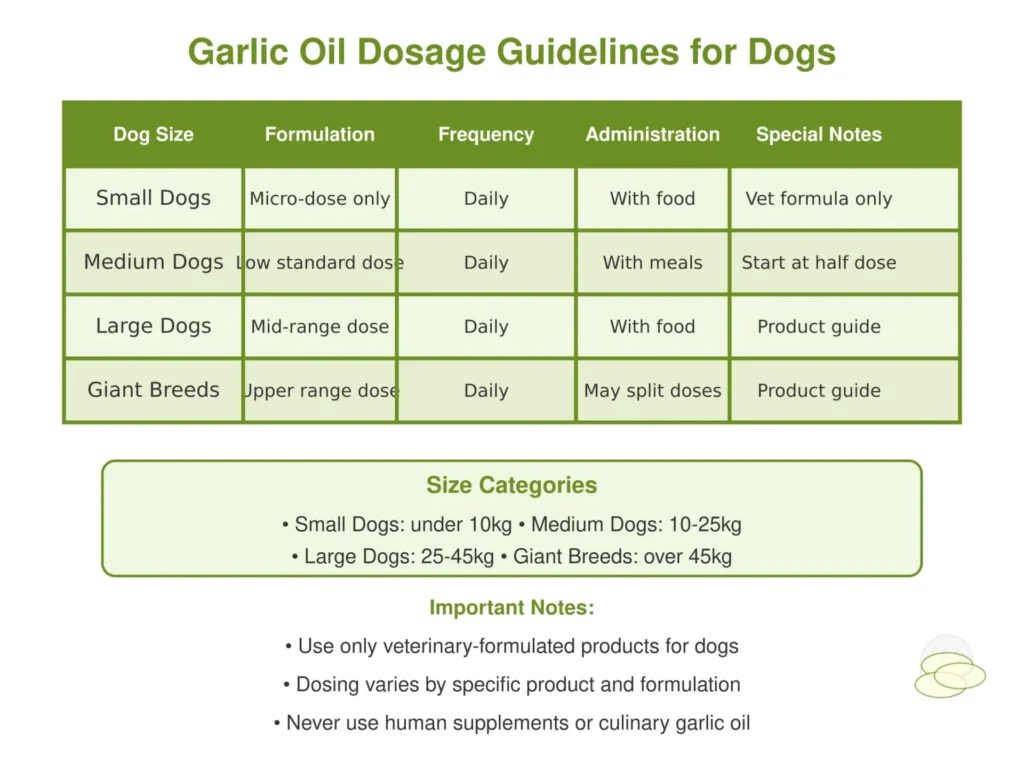
Small Dogs (under 10kg): Professional micro-dosed formulations only
Medium Dogs (10-25kg): Lower end of veterinary-recommended dosing ranges
Large Dogs (25-45kg): Mid-range of veterinary-recommended dosing
Giant Breeds (over 45kg): Upper range of veterinary-recommended dosing
Health-Specific Adjustments:
Dogs with certain health conditions may require modified dosing
Age-related considerations may influence appropriate amounts
Specific therapeutic goals might necessitate adjusted protocols
Follow exact guidelines for specific veterinary formulations
Different preparations may have varying potency and bioavailability
Standardised products provide more consistent dosing
Professional formulations often include detailed dosing charts
Monitoring Protocols:
Observe for any unusual responses when first introducing garlic oil
Track specific health parameters related to therapeutic goals
Adjust dosing based on observed effects and professional guidance
Maintain detailed records to share with veterinary providers
The safety and effectiveness of garlic oil for dogs depends significantly on appropriate dosing. Always follow product-specific guidelines and veterinary recommendations rather than general formulas, and never attempt to create or administer homemade garlic preparations internally.
Quality and Sourcing
The safety and efficacy of garlic oil for dogs depend significantly on product quality:
Sourcing Guidelines:
Select veterinary-specific formulations whenever possible
Look for products specifically designed for pets
Verify manufacturing standards and quality control processes
Choose reputable companies with transparent sourcing information
Preparation Methods:
Cold-processed garlic oil often preserves more beneficial compounds
Aged garlic extracts may offer enhanced safety profiles
Steam-distilled oils provide different compound profiles than macerated oils
Professional processing methods enhance safety and effectiveness
Quality Indicators:
Third-party testing for potency and purity
Standardisation of key active compounds
Clear ingredient lists without unnecessary additives
Specific identification of garlic varieties and processing methods
Storage Considerations:
Keep products in original containers with proper closure
Store according to product-specific guidelines
Check and respect expiration dates
Protect from excessive heat, light, and humidity
Quality considerations directly impact both safety and efficacy. Lower-quality products may contain inappropriate concentrations of compounds, contaminants, or inadequate standardisation, potentially reducing benefits while increasing risks. Investing in high-quality, professionally formulated products is essential for safe and effective use of garlic oil with dogs.
Potential Side Effects and Precautions
Understanding Garlic Safety
Proper perspective on garlic safety for dogs requires nuanced understanding:
Research supports benefits when used appropriately
Professional veterinary products consider safety as primary concern
Monitoring and professional guidance further enhance safety
When approached with appropriate knowledge and care, properly formulated garlic oil supplements designed specifically for dogs can provide therapeutic benefits with minimal risk. The key factors are professional formulation, appropriate dosing, and individual monitoring.
Possible Adverse Reactions
While rare with properly formulated and dosed products, potential reactions may include:
Unusual breath or body odour beyond mild garlic smell
Changes in gum color or appearance
Serious Concerns (Rare):
Weakness, collapse, or extreme lethargy
Elevated heart rate or breathing difficulties
Dark-colored urine or unusual bleeding
Jaundice (yellowing of gums, eyes, or skin)
Most dogs tolerate properly formulated garlic oil supplements very well, with minimal or no adverse effects. Any concerning symptoms should prompt immediate discontinuation and veterinary consultation. Start with the lowest recommended dose and monitor closely when first introducing any garlic supplement.
Contraindications
Garlic oil is not appropriate for all dogs, particularly:
Possible interactions with some immunosuppressive drugs
May influence certain thyroid medication effectiveness
Life Stage Considerations:
Generally not recommended for puppies under 6 months
Use caution during pregnancy and nursing
May require adjusted dosing for senior dogs
Extra caution for dogs with age-related organ function changes
Breed-Specific Concerns:
Japanese breeds (Akita, Shiba Inu, etc.) may have increased sensitivity
Breeds prone to haemolytic conditions require extra caution
Some herding breeds may metabolise certain compounds differently
Individual genetic factors may influence tolerance
Always consult with a veterinarian before using garlic oil supplements with dogs in any of these categories. In many cases, modified approaches under professional guidance may still be possible, but direct professional oversight becomes especially important.
Safety Measures
Implementing proper safety protocols is essential when using garlic oil:
Introduction Protocol:
Start with the lowest recommended dose
Gradually increase to therapeutic levels over 1-2 weeks
Monitor closely during introduction period
Maintain detailed observations to share with veterinary providers
Ongoing Monitoring:
Regular observation of overall health and wellness
Periodic veterinary evaluation of relevant health parameters
Adjustment of protocols based on individual response
Attention to any changes in behavior or function
Administration Safety:
Follow exact product guidelines for dosing and timing
Maintain consistent administration protocols
Store products securely away from pet access
Keep detailed records of all supplements used
Professional Integration:
Maintain open communication with veterinary providers
Share complete information about all supplements and medications
Follow professional guidance for integration with overall health care
Seek immediate consultation for any concerns
By implementing these safety measures, you can minimise risks while maximising the potential benefits of garlic oil for your dog’s health. Professional guidance, appropriate products, and careful monitoring form the foundation of safe and effective use.
Frequently Asked Questions
Is garlic oil safe for dogs?
Properly formulated garlic oil supplements designed specifically for dogs are generally safe when administered according to veterinary guidelines. Unlike raw garlic, which contains higher levels of potentially problematic thiosulfates, quality pet-specific garlic oil products provide beneficial compounds in controlled amounts while minimising risk factors. Safety depends largely on using veterinary-formulated products rather than human supplements or culinary preparations, following precise dosing guidelines for your dog’s size and health status, and monitoring for any individual sensitivity. Certain dogs should not receive garlic supplements, including those with haemolytic anaemia, bleeding disorders, scheduled surgery, or specific medication regimens. Always consult with your veterinarian before adding any garlic supplement to your dog’s routine, especially for puppies under 6 months, pregnant or nursing dogs, or those with existing health conditions.
How effective is garlic oil for repelling fleas on dogs?
Garlic oil demonstrates moderate effectiveness for flea repellence, creating a systemic barrier through skin secretions that many fleas find aversive. When administered through quality veterinary formulations, the beneficial sulphur compounds are metabolised and secreted through the skin and respiratory tract, creating an environment less attractive to fleas. This effect typically develops after 10-14 days of consistent use and requires ongoing administration to maintain protection. While not as immediately potent as conventional chemical insecticides, garlic oil provides a gentler approach that offers additional health benefits beyond simple flea control. For optimal results, combine with environmental management strategies, regular grooming with appropriate tools, and complementary natural repellents for multi-faceted protection. Garlic oil works best as a preventative measure rather than for addressing active heavy infestations, where conventional treatments may be necessary for immediate control.
What’s the proper dosage of garlic oil for my dog?
The proper dosage of garlic oil for dogs should always follow veterinary-formulated product guidelines specific to your dog’s weight and health status. Unlike simple weight charts for many supplements, garlic dosing requires product-specific administration due to variations in concentration, preparation methods, and formulation. Most quality veterinary preparations provide clear dosing instructions based on weight ranges: small dogs (under 10kg) typically receive specially formulated micro-doses, medium dogs (10-25kg) the lower end of standard ranges, large dogs (25-45kg) mid-range doses, and giant breeds (over 45kg) the upper recommended amounts. Starting with half the recommended dose during a 7-10 day introduction period allows for monitoring of individual tolerance. Never attempt to create your own dosing protocol with human supplements or culinary garlic products, as these may contain inappropriate levels of compounds for canine use and lack the processing methods that enhance safety in veterinary formulations.
Can garlic oil treat internal parasites in dogs?
Garlic oil may provide supportive benefits for managing certain internal parasites in dogs when used through veterinary-formulated preparations specifically designed for this purpose. The sulphur compounds in garlic create an intestinal environment less hospitable to some parasitic organisms, potentially reducing parasite burden and supporting the body’s natural elimination processes. While not a replacement for conventional veterinary dewormers, quality garlic supplements may serve as a complementary approach that enhances overall parasite management. For optimal effectiveness, veterinary formulations often include precise timing protocols, specific dosing guidelines, and sometimes complementary ingredients that enhance antiparasitic effects. Results vary depending on parasite type, individual dog metabolism, and consistency of administration. Professional guidance and appropriate testing are essential for addressing internal parasites effectively, as relying solely on garlic supplements without proper veterinary oversight may allow parasitic conditions to progress undetected.
How long does it take to see results from garlic oil?
Results from garlic oil supplementation typically develop gradually rather than immediately, with timeframes varying based on the specific health goals. For parasite repellency, most dogs begin developing protective levels of sulphur compounds in skin secretions after 10-14 days of consistent administration, with optimal effects established after 3-4 weeks. Immune system enhancement often shows subtle improvements within 2-3 weeks, while cardiovascular benefits may take 4-6 weeks of regular use to demonstrate measurable changes. For most applications, consistency is more important than dose size, as the beneficial compounds need to reach and maintain steady-state levels in the body’s tissues. Some dogs show individual variation in response time based on metabolism, age, and existing health status. Setting realistic expectations for gradual improvement rather than dramatic immediate changes aligns with garlic oil’s natural, supportive approach to health enhancement rather than pharmaceutical-like immediate effects.
Are there dogs that should not take garlic oil?
Several categories of dogs should avoid garlic oil supplements or use them only under strict veterinary supervision with specialised protocols. Dogs with diagnosed haemolytic anaemia or other red blood cell disorders should not receive garlic due to theoretical concerns about effects on red blood cell integrity. Dogs with bleeding disorders or those taking anticoagulant medications require veterinary evaluation before considering garlic, as certain compounds may influence clotting mechanisms. Puppies under 6 months should generally avoid garlic supplements while their metabolic systems are still developing. Pregnant and nursing dogs typically should not receive garlic supplements due to limited safety data for these life stages. Dogs scheduled for surgery should discontinue garlic supplements 10-14 days prior to procedures as a precaution regarding potential bleeding time effects. Japanese dog breeds (Akita, Shiba Inu, etc.) may have greater sensitivity to garlic compounds and require extra caution or avoidance. Always consult with your veterinarian about your specific dog’s health profile before introducing any garlic supplement.
Can garlic oil help my dog’s immune system?
Garlic oil can provide meaningful support for canine immune function through several mechanisms that enhance natural defences. The sulphur compounds and antioxidants in quality garlic supplements help activate certain immune cells, support balanced inflammatory responses, and enhance the body’s natural resistance to common challenges. Research shows garlic compounds can increase natural killer cell activity, support macrophage function, and help maintain appropriate cytokine balance—all important aspects of healthy immune response. For optimal immune benefits, consistent daily administration provides better results than occasional use, with most dogs showing subtle improvements in immune resilience within 2-3 weeks of regular supplementation. Garlic oil seems particularly beneficial during seasonal transitions, environmental changes, or periods of increased immune challenge. While not a replacement for fundamental immune health foundations like proper nutrition and appropriate veterinary care, quality garlic supplements can provide valuable complementary support, especially for senior dogs or those with increased environmental exposures.
How does garlic oil compare to other natural flea repellents?
Garlic oil offers several unique advantages when compared to other natural flea repellents, though it works best as part of a complementary approach rather than a standalone solution. Unlike topical herbal repellents that provide only surface protection, garlic oil works systemically through skin secretions, creating a whole-body barrier that cannot be washed or rubbed off. Compared to diatomaceous earth and similar environmental treatments, garlic oil protects the dog directly rather than just the environment. Garlic typically has longer-lasting effects than essential oil-based repellents, which require frequent reapplication. However, garlic oil works more slowly than most other options, requiring 10-14 days to establish protection, and generally provides moderate rather than strong repellency. For optimal protection, many holistic veterinarians recommend combining internal garlic supplementation with appropriate internal and/or external herbal repellents and environmental management for multi-layered protection that addresses different aspects of the flea life cycle while minimising chemical exposure.
Will garlic oil make my dog smell like garlic?
Garlic oil supplementation typically causes only a mild garlic odour that most pet owners describe as subtle rather than overwhelming. The metabolised sulphur compounds that create the beneficial repellent effect are secreted through the skin and respiratory tract in modified forms that generally produce a milder scent than raw garlic itself. Most people report noticing a slight garlic odour only when very close to their dog or when the fur becomes wet. The intensity varies significantly between individual dogs based on metabolism, coat type, and specific product formulation. The odour typically stabilises after 2-3 weeks of consistent use as the body establishes steady-state processing of the compounds. Quality veterinary formulations often include compounds that help minimise the odour while maintaining therapeutic benefits. If odour becomes a concern, adjusting the dosage slightly downward while maintaining daily administration often provides a good balance between beneficial effects and minimal scent. The slight odour, when present, serves as confirmation that the beneficial compounds are being properly metabolised and distributed through the body’s systems.
How should I store garlic oil supplements?
Proper storage of garlic oil supplements is essential for maintaining potency and safety. Store products in their original containers with tight-fitting lids in a cool, dark location away from direct sunlight and heat sources, as heat and light can degrade the beneficial compounds and potentially create harmful byproducts. Refrigeration is recommended for most liquid garlic oil formulations after opening, while capsules and tablets generally remain stable at room temperature in appropriate containers. Always check product-specific storage instructions, as some specialised formulations may have unique requirements. Keep all supplements out of reach of pets and children to prevent accidental overdose or ingestion of packaging. Check expiration dates regularly and discard any products that have exceeded their shelf life or show signs of degradation such as unusual odour, colour changes, or visible contamination. Properly stored, most quality garlic supplements maintain optimal potency for the duration indicated on their packaging, typically 1-2 years for unopened products and 3-6 months for opened liquid formulations.
Can garlic oil help with my dog’s cardiovascular health?
Garlic oil offers significant cardiovascular benefits for dogs through multiple mechanisms supported by both research and clinical experience. The organosulphur compounds in garlic help maintain healthy blood flow by supporting normal platelet function and blood viscosity, which promotes efficient circulation throughout the body. Quality garlic supplements support the maintenance of healthy blood pressure and contribute to balanced cholesterol profiles, both important aspects of long-term cardiovascular health. The antioxidant properties protect vascular tissues from oxidative damage while supporting healthy endothelial function and vessel elasticity. For optimal cardiovascular support, consistency matters more than dose size, with benefits typically developing gradually over 4-6 weeks of regular administration. Garlic oil supplementation proves particularly valuable for senior dogs, less active pets, and breeds with genetic predispositions to cardiovascular issues when used as part of a comprehensive approach that includes appropriate exercise, optimal weight management, and regular veterinary monitoring of cardiovascular parameters.
Conclusion
Garlic oil represents a valuable natural option for supporting canine health when used with appropriate knowledge and care. Its anti-parasitic, immune-enhancing, cardiovascular, and antimicrobial properties offer multi-faceted benefits for dogs when properly formulated products are administered according to veterinary guidelines.
For external parasite management, garlic oil provides a gentle yet meaningful approach that works from within, creating a systemic barrier that complements other natural and conventional prevention methods. Its immune-supporting properties enhance overall resilience while its cardiovascular benefits support vital circulatory functions, particularly valuable for senior dogs and certain breeds.
The key to safe and effective use lies in selecting quality veterinary formulations specifically designed for dogs, following appropriate dosing guidelines, and maintaining regular monitoring for individual response. When approached with this care and knowledge, garlic oil can serve as a valuable component of an integrated approach to canine health and wellness.
While not a replacement for fundamental healthcare foundations or appropriate veterinary treatment for diagnosed conditions, properly administered garlic oil supplements offer natural support that complements conventional care while potentially reducing reliance on stronger interventions for certain conditions.
As with any natural approach, professional guidance, patience for gradual results, and attention to individual response form the foundation for optimal outcomes. By understanding both the benefits and appropriate precautions, dog owners can make informed decisions about incorporating this traditional botanical into their pets’ health protocols.
As the founder and CEO of Bonza, I am challenging one of the most overlooked truths in canine health: the gut is not just part of the system. It is the system.
I hold Diplomas in Canine Nutrition and Dog Nutrigenomics, both awarded with Distinction, and I formulate every Bonza recipe in-house alongside our board of canine veterinary nutritionists. The gut microbiome sits at the centre of immune regulation, inflammation, metabolic function and neurological health, yet much of modern dog nutrition still treats food as fuel rather than biology. I am working to change that.
At Bonza we take a systems-biology approach to canine nutrition. We design food and supplements that actively shape the microbiome through plant diversity, functional fibres, and named, regulatory-authorised bioactives with full strain-level transparency: the Biotics Triad of prebiotics, probiotics and postbiotics, alongside phytonutrients and adaptogens. Each works through the eight gut-organ axes that connect the gut to the skin, joints, immune system, behaviour, heart, metabolism, liver and longevity.
This is about more than better ingredients. It is about redefining food as a controllable input for health outcomes, shifting from reactive care to precision nutrition that supports resilience, longevity and disease prevention.
We are building what canine nutrition should have been all along.