The Complete Daily Foundation · For Healthy Ageing
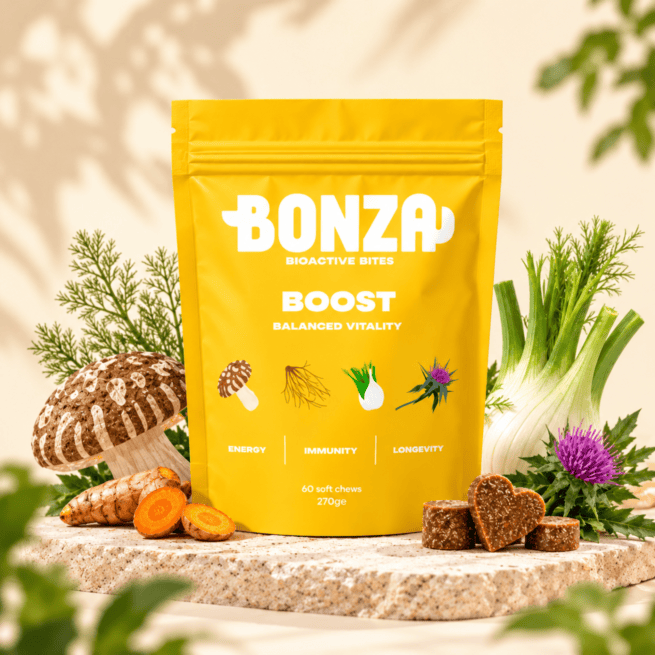
One chew a day, and everything your dog's body is counting on. Boost brings a complete vitamin and mineral complex together with taurine, L-carnitine, DHAgold™ algae, joint nutrients, adaptogens and a pre, pro and postbiotic foundation: 40 targeted bioactives in one daily chew, rather than a shelf of separate pots. It is the daily foundation for any adult dog, and it matters more with every year, supporting the vitality, sharp mind and comfortable movement that keep a senior dog enjoying every day.
Made without meat, wheat, soy or corn, Boost is gentle enough to give every day, with every ingredient and inclusion level declared in full.
One Gut. Whole Dog.™
£26.10£0.44/day - Under 10kg dogSubscribe & Save £2.90 per deliverySubscribe & Save £2.90 per deliverySave £2.90 per deliverySave £2.90
Home » Health Hub for Dogs » Chihuahua Health Issues: Comprehensive Guide to Common Problems
Chihuahua Health Issues: Comprehensive Guide to Common Problems
By Glendon Lloyd, Dip. Dog Nutrigenomics (Distinction), Dip. Canine Nutrition (Distinction) · Founder, Bonza
Reviewed by Veterinary Advisory Board
Last reviewed December 2024
Reading time 8 min
Chihuahua Dog Health Concerns – Guide to Causes, Symptoms and Treatments
Summary
Chihuahuas, the smallest dog breed in the world, are cherished for their big personalities and loyal companionship. However, despite their diminutive size, these dogs can face a variety of health challenges throughout their lives. This article provides a detailed analysis of common health issues in Chihuahuas, their symptoms, physiological causes, and treatment protocols. It also outlines nutritional strategies, including the role of specific foods, nutrients, medicinal herbs, adaptogens, prebiotics, probiotics, postbiotics, and other bioactive compounds, in preventing or mitigating these health problems. Frequently asked questions provide further insights to help Chihuahua owners ensure their pets lead long, healthy lives.
Chihuahuas are a toy breed originating from Mexico, where they have a long history dating back to ancient civilisations. They are known for their compact size, alert expressions, and confident temperaments. As affectionate and intelligent companions, they thrive in households of all sizes.
Unique Physical Characteristics
Chihuahuas have large, expressive eyes, erect ears, and a compact, lightweight frame. While these traits contribute to their charm, they also make them more susceptible to certain health challenges, such as eye conditions and joint problems.
Common Health Problems in Chihuahuas
According to research undertaken by the Royal Veterinary College (RVC) VetCompass™ program, the most common health concerns of Chihuahuas were dental disease (13.5%), obesity (5.9%) and retained baby teeth (5.7%). Compared with other dogs, Chihuahuas were more prone to aggression (4.2%), slipping kneecap (4.0%) and retained testicles (3.9%).
This common orthopedic condition occurs when the kneecap dislocates from its normal position, causing intermittent lameness, skipping, or pain. It is often genetic and can worsen over time without proper management.
Chihuahuas’ small jaws and crowded teeth make them prone to periodontal disease, tartar buildup, and tooth loss. Dental problems can lead to infections and systemic health issues if untreated.
Low blood sugar is a frequent concern in young or small Chihuahuas, particularly during periods of stress, fasting, or illness. Symptoms include lethargy, weakness, tremors, and seizures.
Chihuahuas are predisposed to heart problems, including mitral valve disease (MVD), also known as mitral valve insufficiency (MVI) and patent ductus arteriosus (PDA). These conditions can lead to heart murmurs, coughing, and reduced exercise tolerance.
A weakened or flattened trachea can cause difficulty breathing, coughing, and wheezing, particularly in overweight Chihuahuas or those exposed to environmental irritants.
This condition, characterised by an accumulation of cerebrospinal fluid in the brain, is more common in toy breeds. Symptoms include an enlarged skull, behavioural changes, and seizures.
Idiopathic epilepsy is common in Chihuahuas and is characterised by recurring seizures with no identifiable cause. Management often involves medication and lifestyle adjustments.
Obesity
While small in size, Chihuahuas are prone to obesity, which exacerbates joint issues, heart problems, and diabetes.
Allergies (Food and Environmental)
Allergies can manifest as itchy skin, ear infections, or gastrointestinal upset. Common triggers include certain proteins, pollen, and household dust mites.
Physiological Causes of Health Issues
Genetic Predispositions
Selective breeding has contributed to the prevalence of conditions like luxating patella, dental disease, and PRA in Chihuahuas.
Structural and Physiological Traits
Chihuahuas’ small size and anatomical features, such as their prominent eyes and compact jaws, predispose them to specific health challenges.
Environmental and Lifestyle Factors
Factors such as diet, exercise, exposure to allergens, and stress levels significantly impact the health and wellbeing of Chihuahuas.
Symptoms and Treatment Protocols
Recognising Health Issues in Chihuahuas
Common symptoms to watch for include limping, dental tartar buildup, lethargy, coughing, seizures, excessive scratching, and changes in weight or appetite. Prompt veterinary attention is essential for diagnosis and management.
Medical and Surgical Interventions
Luxating Patella: Anti-inflammatory medications, weight management, and surgical correction in severe cases.
Dental Disease: Regular cleanings, tooth extractions, and antibacterial rinses.
Hypoglycaemia: Immediate administration of glucose (e.g., honey or syrup) and long-term dietary adjustments.
Heart Conditions: Medications to manage symptoms; PDA may require surgical correction.
Collapsed Trachea: Weight management, harness use instead of collars, and bronchodilators.
Eye Conditions: Lubricating drops, pressure-reducing medications, or surgical intervention.
Epilepsy: Anti-seizure medications and a stable routine to minimise stress.
Obesity: Calorie-controlled diets and increased activity levels.
Bilberry: Enhances ocular blood flow and reduces inflammation.
Vitamin A: Essential for maintaining healthy vision.
Frequently Asked Questions
Do Chihuahuas have a lot of health problems?
Chihuahuas are generally healthy but are prone to specific issues due to their size and genetics. Proper care and regular veterinary check-ups can mitigate many risks.
The average Chihuahua lifespan was 8.2 years but can live from 12-14 years with proper care. (1)
What is the life expectancy of a female Chihuahua?
Female Chihuahuas live 10.2 years on average but can 12–14 years, depending on their health and care. (1)
What is the life expectancy of a male Chihuahua?
Male Chihuahuas have a shorter average lifespan of 6.9 years but as with females can live 8-10 years with good care. (1)
What percentage of Chihuahuas have health problems?
Studies indicate that approximately 50–60% of Chihuahuas experience at least one significant health issue in their lifetime.
What are the common causes of death for Chihuahuas?
The most common causes of Chihuahua deaths were heart disease (18.8%), lower respiratory tract disorder 16.3% and traumatic injury (13.8%). (2)
Are there health concerns related to Chihuahua coat colours?
Coat colour does not generally affect health, but rare colours may be linked to unethical breeding practices, which could increase genetic health risks.
Conclusion
Chihuahuas are delightful companions, but their small size and genetic predispositions require attentive care to prevent and manage common health issues. By recognising potential problems early, providing a tailored diet with targeted nutrients, and ensuring regular veterinary check-ups, owners can help their Chihuahuas enjoy long, healthy lives. Responsible breeding practices also play a crucial role in reducing hereditary health problems in this beloved breed.
Best Food for Chihuahua Health Issues
Bonza’s plant-based dog food contains all the ingredients and nutrients required to support some of the most common health issues Chihuahuas may suffer from, at the same time providing daily support for your dog’s health and wellbeing. The Superfoods and Ancient Grains formula is the only dog food that includes DHAgold™, an Omega-3 with DHA, DPA and EPA, Calsporin®, a quality Bacillus subtilis/velenzis probiotic, TruPet™ postbiotic, and prebiotics including FOS and MOS. A number of potent anti-inflammatory ingredients, including medicinal herbs, spices and adaptogens (Ashwagandha, Siberian Ginseng, Panax Ginseng, Echinacea, Turmeric, Ginger, Chamomile) also provide relief from, and support against, some of the health problems your Labrador may encounter.
Most "best dog probiotic" lists rank on popularity. This one scores every UK supplement against an explicit methodology: strains, EFSA approval, CFU, synbiotic completeness,…


 DE · German
 ES · Spanish
 FR · French
 NL · Dutch