Atopic Dermatitis in Dogs – Treatment Options
Summary
Canine atopic dermatitis (CAD) is a common, chronic inflammatory skin condition affecting dogs, characterised by intense itching and skin inflammation. This guide explores the genetic, environmental, and immunological factors behind CAD, helping owners recognise symptoms and understand the wide range of available treatments—from pharmaceuticals and immunotherapy to dietary interventions and natural supplements. With proper diagnosis and a tailored management plan, most dogs with atopic dermatitis can lead comfortable, happy lives despite this chronic condition.
Key Takeaways
- Canine atopic dermatitis is a genetic, inflammatory skin condition triggered by environmental allergens that affects approximately 10-15% of dogs.
- Common symptoms include persistent itching, redness, skin infections, ear problems, and lesions typically affecting the face, paws, armpits, and belly.
- Diagnosis requires ruling out other skin conditions through detailed history, physical examination, and possibly intradermal skin testing or blood allergy tests.
- Treatment typically involves a multimodal approach including allergen avoidance, skin barrier improvement, itch control, infection management, and addressing underlying allergies.
- Dietary modifications can significantly improve symptoms, with novel protein or hydrolysed diets often recommended for dogs with food-related triggers.
- Regular veterinary follow-ups are essential for monitoring and adjusting treatment plans as the condition evolves.
Table of Contents
- Understanding Canine Atopic Dermatitis
- Prevalence and Impact
What is Canine Atopic Dermatitis?
- Definition and Mechanism
- Differentiating from Other Skin Conditions
- Genetic Predisposition
- Environmental Allergens
- The Role of Skin Barrier Dysfunction
- Food Allergies and CAD
- Primary Symptoms
- Secondary Complications
- Typical Distribution Patterns
- Age of Onset and Progression
- Veterinary Examination Process
- Elimination of Other Conditions
- Allergy Testing Options
- Food Trials
- Anti-inflammatory Medications
- Immunosuppressive Therapies
- Targeted Biologics
- Antimicrobials for Secondary Infections
Allergen-Specific Immunotherapy
- How ASIT Works
- Administration Methods
- Success Rates and Expectations
- Elimination Diets
- Essential Fatty Acids
- Hydrolysed Protein Diets
- Nutritional Supplements for Skin Health
Natural and Complementary Therapies
- Topical Treatments
- Natural Anti-inflammatories
- Probiotics and Skin Microbiome Support
- Physical Therapies
- Importance of Skin Barrier Function
- Topical Moisturisers and Emollients
- Bathing Protocols
- Allergen Avoidance Strategies
- Home Modifications
- Seasonal Considerations
- Working with Your Veterinary Team
- Monitoring and Assessment
- When to Adjust Treatment
- Long-term Management
- Quality of Life Considerations
- Psychological Impact
- Owner Support
- Common Questions Answered
- Future Developments in CAD Management
Introduction
Understanding Canine Atopic Dermatitis
Canine atopic dermatitis (CAD) represents one of the most common yet complex skin conditions affecting our canine companions. Characterised by chronic inflammation and intense itchiness, this condition can significantly impact a dog’s quality of life and the human-animal bond. For dog owners, watching their beloved pet suffer from constant itching, skin infections, and discomfort can be distressing and frustrating.
This guide aims to demystify canine atopic dermatitis by providing comprehensive, evidence-based information about its causes, symptoms, and the full spectrum of available treatments. Armed with this knowledge, dog owners can work more effectively with their veterinary professionals to develop optimal management strategies for their atopic dogs.
Prevalence and Impact
Studies indicate that approximately 10-15% of dogs develop atopic dermatitis, making it one of the most prevalent skin conditions in canines. Some breeds show higher predisposition, including West Highland White Terriers,Labrador Retrievers, Golden Retrievers, Boxers, French Bulldogs, German Shepherds, and many terrier breeds. However, any dog, regardless of breed or mix, can develop this condition.
The impact of CAD extends beyond physical symptoms, affecting dogs emotionally and behaviourally as chronic itching and discomfort can lead to stress, irritability, sleep disturbances, and reduced activity levels. For owners, the condition often necessitates significant time commitments, regular veterinary visits, and ongoing financial investment in treatments and management strategies.
What is Canine Atopic Dermatitis?
Definition and Mechanism
Canine atopic dermatitis is a genetically predisposed inflammatory and pruritic (itchy) allergic skin disease with characteristic clinical features. It’s primarily associated with the production of IgE antibodies most commonly directed against environmental allergens. In simpler terms, it is an allergic reaction that occurs when genetically susceptible dogs are exposed to substances like pollens, dust mites, moulds, or other environmental allergens.
The pathophysiology involves a complex interplay between genetic factors, environmental exposures, and immune system dysregulation. When an atopic dog encounters an allergen, its immune system overreacts, triggering an inflammatory cascade that results in the clinical signs of itching and skin inflammation.
Differentiating from Other Skin Conditions
Canine atopic dermatitis shares clinical features with several other skin conditions, making accurate diagnosis challenging. Conditions that may appear similar include:
- Food allergies: Often indistinguishable from CAD based on clinical signs alone, though food allergies may respond to dietary changes
- Flea allergy dermatitis: Typically affects the lower back, tail base, and thighs
- Contact dermatitis: Usually limited to areas with minimal hair that contact irritants or allergens
- Sarcoptic mange: Highly contagious mite infestation causing intense itching
- Malassezia dermatitis: Yeast infection that may occur secondary to other skin conditions
- Bacterial pyoderma: Bacterial skin infection that often complicates other skin diseases
Understanding these distinctions is crucial for proper diagnosis and treatment planning, as management strategies differ significantly based on the underlying cause.
Causes and Risk Factors
Genetic Predisposition
Canine atopic dermatitis has a strong genetic component, with certain breeds showing much higher rates of the condition. This genetic predisposition involves multiple genes affecting skin barrier function, immune system regulation, and inflammatory responses. Responsible breeding practices that avoid mating dogs with a history of allergic skin disease can help reduce the prevalence of CAD in future generations.
Environmental Allergens
The primary triggers for atopic dermatitis in predisposed dogs include:
- Dust mites and storage mites: Common household allergens found in bedding, carpets, and dry dog food
- Pollens: From trees, grasses, and weeds, which cause seasonal flares in many atopic dogs
- Moulds and fungi: Both indoor and outdoor varieties
- Dander: From other animals or humans
- Insects: Besides fleas, other insects such as cockroaches can trigger allergic responses
Unlike humans who typically experience respiratory symptoms from these allergens, dogs primarily develop skin inflammation and itching as their allergic manifestation.
The Role of Skin Barrier Dysfunction
Recent research has highlighted the critical importance of skin barrier dysfunction in the development and perpetuation of atopic dermatitis. Dogs with CAD often have inherent defects in their skin barrier, including:
- Reduced ceramide levels (essential skin lipids)
- Abnormal skin lipid composition
- Altered structural proteins in the skin
- Increased transepidermal water loss
This compromised barrier allows allergens to penetrate more easily, triggering immune responses. Additionally, the damaged barrier increases susceptibility to secondary bacterial and yeast infections, which further exacerbate inflammation and itching.
Food Allergies and CAD
Approximately 30% of dogs with atopic dermatitis also have food allergies, creating a complex clinical picture. Food allergies can:
- Act as a trigger for CAD flares
- Mimic CAD symptoms independently
- Lower the threshold for reactions to environmental allergens
- Complicate diagnosis and treatment
Common food allergens include beef, dairy, chicken, wheat, lamb, wheat, corn, soy, and eggs, although any protein has the potential to become allergenic. Proper food trials are essential to determine if dietary factors contribute to a dog’s skin symptoms.
Symptoms and Clinical Signs
Primary Symptoms
The hallmark symptom of canine atopic dermatitis is pruritus—intense, persistent itching that drives dogs to scratch, lick, chew, and rub affected areas. This itching can be so severe that it disrupts sleep and normal activities. Primary symptoms include:
- Erythema: Redness of the skin due to inflammation
- Mild to severe itching: Often worsens with allergen exposure
- Self-trauma: From the dog’s attempts to relieve itching
- Hyperpigmentation: Darkening of the skin in chronically affected areas
- Lichenification: Thickening of the skin due to chronic inflammation
Secondary Complications
Due to the compromised skin barrier and self-trauma from scratching, secondary complications frequently develop:
- Bacterial pyoderma: Bacterial skin infections, most commonly caused by Staphylococcus bacteria
- Malassezia dermatitis: Yeast infections that thrive in moist, inflamed skin
- Hot spots: Acute moist dermatitis that can develop rapidly
- Otitis externa: Ear inflammation and infection
- Acral lick dermatitis: Compulsive licking leading to lesions, particularly on the limbs
- Secondary seborrhoea: Excessive scaling and oiliness of the skin
These secondary issues often contribute significantly to the dog’s discomfort and can sometimes become the predominant clinical concern.
Typical Distribution Patterns
Canine atopic dermatitis typically affects specific body regions, which can help distinguish it from other skin conditions:
- Face: Particularly around the eyes, muzzle, and lips
- Ears: Both the pinnae (ear flaps) and ear canals
- Paws: Between toes and paw pads, often leading to excessive licking
- Ventral (underside) areas: Including armpits, groin, and belly
- Flexor surfaces: Where limbs bend
However, as the condition becomes chronic, lesions may become more generalised across the body.
Age of Onset and Progression
Most dogs begin showing signs of atopic dermatitis between 6 months and 3 years of age. The condition typically follows a progression:
- Initial presentation: Often seasonal or intermittent symptoms
- Development stage: Symptoms become more persistent
- Chronic phase: Year-round symptoms with potential flares during certain seasons
- Advanced stage: Secondary complications dominate the clinical picture
Without appropriate management of atopic dermatitis, the condition generally worsens over time, with increasingly frequent and severe episodes. Early diagnosis and intervention are crucial for minimising progression and complications.
Diagnosis
Veterinary Examination Process
Diagnosing canine atopic dermatitis begins with a thorough clinical assessment:
- Detailed history: Including age of onset, pattern of symptoms, seasonal variations, previous treatments, and family history
- Physical examination: Focusing on the pattern and nature of skin lesions
- Dermatological assessment: May include skin scrapings, hair pluckings, and cytology to rule out other conditions
Elimination of Other Conditions
CAD is diagnosed in part by excluding other potential causes of the clinical signs. This typically involves:
- Parasite treatment trials: To rule out conditions like sarcoptic mange
- Cytology: To identify bacterial or yeast infections
- Response to antibiotic therapy: To determine if bacterial infection is the primary issue
- Elimination diet trials: To assess for food allergies
Allergy Testing Options
For confirmed cases of atopic dermatitis, allergy testing can help identify specific triggers:
- Intradermal skin testing: Considered the gold standard, involves injecting small amounts of potential allergens into the skin and monitoring for reactions
- Serum allergy testing: Blood tests measuring allergen-specific IgE antibodies
- Combination testing: Using both methods for more comprehensive results
It’s important to note that these tests have limitations and must be interpreted in the context of the dog’s clinical signs. False positives and negatives can occur, and the presence of allergen-specific antibodies doesn’t always correlate with clinical symptoms.
Food Trials
Since food allergies frequently coexist with CAD or can mimic its symptoms, properly conducted food trials are often part of the diagnostic process:
- Novel protein diets: Introducing protein sources the dog has never encountered, particularly plant-based food
- Hydrolysed protein diets: Using proteins broken down to sizes too small to trigger allergic reactions
- Home-prepared diets: Carefully formulated limited-ingredient meals
- Duration: Typically 8-12 weeks to be conclusive
- Challenge testing: Reintroducing original diet to confirm reaction
Food trials must be strict, with absolutely no other foods, treats, flavoured medications, or edible chews allowed during the trial period.
Pharmaceutical Treatments
Anti-inflammatory Medications
These medications form the cornerstone of managing CAD by targeting inflammation and relieving itching:
- Corticosteroids (e.g., prednisolone): Rapidly effective but with significant side effects with long-term use, including polyuria (increased urination), polydipsia (increased thirst), polyphagia (increased appetite), muscle wasting, and potential for iatrogenic Cushing’s syndrome
- Oclacitinib (Apoquel®): Selectively inhibits JAK1-dependent cytokines involved in itch and inflammation; works quickly with fewer side effects than steroids
- Lokivetmab (Cytopoint®): Monoclonal antibody that specifically targets and neutralises IL-31, a key cytokine in itch signalling; administered as an injection every 4-8 weeks
- Antihistamines: Generally less effective for CAD than for human allergies, but may help some dogs, particularly when combined with other treatments
Immunosuppressive Therapies
For severe or refractory cases, broader immunosuppressive medications may be necessary:
- Cyclosporine (Atopica®, Cyclavance®): Calcineurin inhibitor that suppresses T-cell function and reduces inflammation; typically takes 4-6 weeks for full effect
- Tacrolimus (topical): Similar mechanism to cyclosporine but applied directly to affected areas
- Azathioprine: Used less commonly due to potential for more serious side effects, including bone marrow suppression
These medications require careful monitoring, including regular blood tests to check for potential side effects on liver, kidney, and bone marrow function.
Targeted Biologics
The newest frontier in CAD treatment involves biologics that target specific aspects of the allergic pathway:
- Monoclonal antibodies: Besides lokivetmab, other targeted antibody therapies are in development
- Cytokine inhibitors: Medications targeting specific inflammatory signalling molecules
- Receptor antagonists: Blocking the receptors that respond to allergic stimuli
These treatments offer the promise of more precise intervention with fewer side effects, though they are generally more expensive than traditional options.
Antimicrobials for Secondary Infections
Managing secondary infections is crucial for controlling CAD symptoms:
- Antibiotics: For bacterial pyoderma, selected based on culture and sensitivity when possible
- Antifungal medications: For Malassezia infections, including oral options (ketoconazole, fluconazole) and topical treatments (miconazole, clotrimazole)
- Antibacterial/antifungal shampoos: Containing ingredients like chlorhexidine, miconazole, or benzoyl peroxide
- Antibiotic resistance concerns: Emphasising appropriate use and duration of antibiotics to prevent resistance development
Allergen-Specific Immunotherapy
How ASIT Works
Allergen-specific immunotherapy (ASIT) is the only treatment that addresses the underlying allergic mechanism rather than just managing symptoms:
- Mechanism: Gradually exposes the immune system to increasing amounts of identified allergens, promoting tolerance
- Allergen selection: Based on allergy testing results and clinical history
- Timeframe: Typically requires 9-12 months for full effect, though some dogs show improvement sooner
- Success rate: Approximately 60-70% of dogs show good to excellent response
ASIT represents a more definitive approach to managing CAD compared to lifelong symptom control with medications.
Administration Methods
Several methods exist for delivering immunotherapy:
- Subcutaneous injections: Traditional method involving injections under the skin at gradually increasing doses and decreasing intervals
- Sublingual immunotherapy (SLIT): Liquid drops administered under the tongue
- Rush immunotherapy: Accelerated protocol administered initially in a veterinary setting
- Intralymphatic immunotherapy: Newer method involving injection directly into lymph nodes
The choice of method depends on the dog’s specific situation, owner capability, and veterinary guidance.
Success Rates and Expectations
Owners considering ASIT should understand realistic expectations:
- Timeline: Initial improvement may take 3-6 months, with maximum benefit at 9-12 months
- Partial vs. complete resolution: Most dogs experience significant improvement rather than complete cure
- Long-term commitment: Often continued for life, though some dogs can eventually reduce frequency
- Complementary treatments: Often most effective when combined with other management strategies
- Factors affecting success: Age of onset, duration before treatment, number of allergens, presence of food allergies
Nutritional Management
Elimination Diets
Dietary management is crucial for dogs with concurrent food allergies or food-triggered CAD:
- Novel protein sources: Using proteins the dog has never consumed before, such as venison, rabbit, kangaroo, or insect-based proteins
- Limited ingredient diets: Minimising the number of potential allergens
- Home-prepared vs. commercial: Considerations of convenience, cost, and nutritional balance
- Cross-reactivity awareness: Understanding that proteins with similar structures may cross-react
- Long-term management: Some dogs can return to more conventional diets after a “reset period,” while others require lifelong dietary restrictions
Essential Fatty Acids
Omega-3 and omega-6 fatty acids play an important role in skin health and inflammation modulation:
- Omega-3 sources: Fish oil (EPA and DHA), flaxseed oil, algal oils and extracts (EPA and DHA)
- Omega-6 sources: Evening primrose oil, borage oil, black currant seed oil
- Optimal ratios: The balance between omega-3 and omega-6 is crucial, with higher omega-3 generally desirable for inflammatory conditions
- Dosing considerations: Therapeutic doses are typically higher than maintenance levels found in many pet foods
- Quality concerns: Importance of fresh, high-quality sources to avoid rancidity
- Timeframe for results: Typically requires 6-8 weeks of supplementation to see benefits
Hydrolysed Protein Diets
These specialised diets break down proteins into fragments too small to trigger allergic responses:
- Mechanism: Enzymatic hydrolysis reduces protein molecular weight below the threshold for allergic recognition
- Clinical applications: Useful for both diagnosis and management of food allergies
- Commercially available options: Several veterinary prescription diets utilise this technology
- Efficacy rates: Studies show significant improvement in 50-80% of dogs with food-related CAD
- Palatability challenges: Some dogs resist these diets due to altered taste and texture
Nutritional Supplements for Skin Health
Beyond essential fatty acids, several nutritional supplements may benefit skin health:
- Vitamin E: Antioxidant that works synergistically with essential fatty acids
- Zinc: Essential for skin healing and immune function
- Biotin: B vitamin important for healthy skin and coat
- MSM (methylsulfonylmethane): Anti-inflammatory and antioxidant properties
- Quercetin: Natural antihistamine and anti-inflammatory
- Natural antihistamine: Contains gamma-linolenic acid (GLA) with anti-inflammatory properties
These supplements should be used as part of a comprehensive management plan developed with veterinary guidance.
Natural and Complementary Therapies
Topical Treatments
Various natural topical therapies can soothe irritated skin and support healing:
- Colloidal oatmeal: Natural anti-inflammatory and soothing properties in baths or sprays
- Aloe vera: Cooling and anti-inflammatory, though pure gel should be used (avoiding products with alcohol)
- Calendula: Anti-inflammatory herb useful in rinses and sprays
- Witch hazel: Astringent properties that can help with inflammation
- Tea tree oil: Antimicrobial properties, but must be properly diluted as it can be toxic to dogs if ingested
- Green tea rinses: Anti-inflammatory and soothing
- Coconut oil: Antimicrobial and moisturising, though can be comedogenic for some dogs
Natural Anti-inflammatories
Several natural compounds may help modulate inflammatory responses:
- Quercetin: Plant flavonoid with antihistamine and anti-inflammatory properties
- Bromelain: Enzyme from pineapple that enhances quercetin absorption and has independent anti-inflammatory effects
- Curcumin: Active component in turmeric with potent anti-inflammatory properties
- Boswellia: Herbal extract that inhibits leukotriene synthesis
- CBD oil: Emerging evidence for anti-inflammatory and anti-itch properties, though legal status varies by regions and countries
While these natural options may have fewer side effects than pharmaceuticals, they typically offer more modest benefits and should be viewed as complementary rather than primary treatments for moderate to severe CAD.
Probiotics and Skin Microbiome Support
Growing evidence suggests the skin and gut microbiomes play important roles in allergic conditions:
- Oral probiotics: Specific strains like Lactobacillus rhamnosus may modulate immune responses
- Topical probiotics: Emerging treatments applying beneficial bacteria directly to the skin
- Prebiotics: Fibres and compounds that support beneficial bacterial growth
- Microbiome restoration: Approaches to restore healthy bacterial diversity after antibiotic treatment
- Diet’s role in microbiome health: Impact of food choices on gut bacteria composition
Physical Therapies
Non-pharmacological approaches that can provide relief:
- Therapeutic bathing: Using appropriate medicated or soothing shampoos
- Hydrotherapy: Potential benefits of structured swimming programs
- Cold therapy: For acute flares and hot spots
- Phototherapy: Controlled UV exposure under veterinary supervision
- Acupuncture: Traditional Chinese Medicine approach with some evidence for reducing inflammation
Skin Barrier Repair
Importance of Skin Barrier Function
Restoring and maintaining skin barrier function is fundamental to CAD management:
- Normal skin structure: Understanding the complex layered protection system
- Consequences of barrier dysfunction: Increased allergen penetration, water loss, and infection susceptibility
- Measurement techniques: Transepidermal water loss (TEWL) as an indicator of barrier function
- Benefits of improvement: Better symptom control and potentially reduced medication requirements
Topical Moisturisers and Emollients
Regular application of appropriate moisturisers supports barrier function:
- Ceramide-containing products: Replace diminished natural lipids
- Fatty acid supplements: Topical application of essential lipids
- Humectants: Ingredients like glycerin that attract and hold moisture
- Occlusive agents: Create a protective barrier to prevent water loss
- Application frequency: Guidelines for optimal use based on severity
- Spot treatment vs. whole-body application: Targeting approach based on distribution of lesions
Bathing Protocols
Proper bathing practices are essential for skin health:
- Frequency considerations: Finding the balance between cleansing benefits and barrier disruption
- Temperature guidelines: Using lukewarm water to prevent further irritation
- Appropriate shampoo selection: Based on concurrent conditions (e.g., infection, seborrhoea)
- Contact time: Allowing medicated shampoos sufficient time to work (usually 10 minutes)
- Rinsing thoroughly: Preventing residue that can cause further irritation
- Post-bath care: Immediate moisturisation to lock in hydration
- Drying methods: Gentle patting rather than vigorous rubbing
Environmental Management
Allergen Avoidance Strategies
Reducing allergen exposure can significantly decrease symptom severity:
- Identification of key allergens: Through testing and observation
- Pollen avoidance: Timing walks to avoid peak pollen times, wiping down after outdoor activities
- Dust mite control: Frequent washing of bedding, HEPA filters, anti-allergen sprays
- Mould reduction: Addressing damp areas, proper ventilation
- Flea prevention: Rigorous flea protection and control even in dogs not specifically allergic to fleas, as bites can trigger generalised flares
Home Modifications
Creating a more allergen-controlled home environment:
- Flooring choices: Hard surfaces vs. carpeting
- Air filtration: HEPA systems and regular filter changes
- Bedding materials: Hypoallergenic options and washable covers
- Cleaning protocols: Frequency and product selection
- Chemical exposures: Minimising household chemicals that may act as irritants
- Humidity control: Optimal levels to discourage dust mites and mould
Seasonal Considerations
Many atopic dogs experience seasonal patterns requiring adjusted management:
- Predictive monitoring: Tracking symptoms in relation to pollen forecasts
- Pre-emptive treatment: Increasing intervention before expected seasonal flares
- Indoor/outdoor time adjustments: Limiting exposure during peak allergy seasons
- Geographic considerations: Regional differences in allergen levels and timing
- Travel planning: Considerations for dogs with known regional allergies
Creating a Management Plan
Working with Your Veterinary Team
Effective CAD management requires a collaborative approach:
- Finding the right specialist: Considerations for dermatology referral
- Communication strategies: Maintaining clear records and observations
- Team approach: Coordination between primary vet and specialists
- Cost considerations: Budgeting for lifelong management
- Treatment goals: Defining realistic expectations and priorities
Monitoring and Assessment
Ongoing evaluation is essential for optimising treatment:
- Symptom diaries: Tracking itching, lesions, and other symptoms
- Scoring systems: Using validated scales to assess severity objectively
- Photography: Documenting visual changes over time
- Quality of life assessment: Evaluating impact beyond clinical signs
- Treatment response timelines: Expected intervals for evaluating different interventions
When to Adjust Treatment
Recognising when changes to the management plan are needed:
- Treatment failure signs: Persistent or worsening symptoms despite intervention
- Diminishing returns: When treatments become less effective over time
- Side effect concerns: Monitoring for and addressing treatment complications
- Seasonal adjustments: Proactive modifications based on known patterns
- Age-related considerations: Adapting management as dogs mature
Long-term Management
CAD typically requires lifelong care with evolving strategies:
- Maintenance vs. flare protocols: Different approaches for stable periods vs. acute episodes
- Reducing medication loads: Strategies for minimising long-term pharmaceutical use by adopting a multi-modal approach through use of less harmful supplements for atopic dermatitis
- Monitoring for complications: Regular screening for treatment side effects
- Adapting to changing patterns: Recognising that allergies may evolve over time
- Preventive strategies: Approaches to minimise future sensitisation
Living with an Atopic Dog
Quality of Life Considerations
Despite chronic CAD, good quality of life is achievable:
- Pain and discomfort management: Prioritising comfort and relief
- Activity adaptations: Maintaining exercise and play with appropriate modifications
- Social interactions: Managing exposure to allergens while preserving socialization
- Travel considerations: Planning for trips with an atopic dog
- Grooming adaptations: Modified approaches for sensitive skin
Psychological Impact
The psychological aspects of CAD affect both dogs and owners:
- Behaviour changes: Recognising and addressing irritability, sleep disturbances, and stress
- Owner stress and caregiver burden: Acknowledging the emotional impact on owners
- Bonding through care: Strengthening relationships through cooperative management
- Setting expectations: Preparing for the chronic nature of the condition
- Celebrating improvements: Recognising and appreciating progress
Owner Support
Resources and strategies for managing the challenges of caring for an atopic dog:
- Finding support networks: Online communities and local groups
- Financial resources: Options for managing treatment costs
- Emotional coping strategies: Dealing with the challenges of chronic disease management
- Educational resources: Continuing to learn about advances in CAD management
- Self-care importance: Maintaining owner wellbeing while caring for a dog with chronic needs
Frequently Asked Questions
West Highland White Terriers, Labrador Retrievers, Golden Retrievers, English and French Bulldogs, Boxers, Dalmatians, Boston Terriers, German Shepherds, Shar-Peis, and many terrier breeds show higher predisposition to CAD. However, any dog, regardless of breed or mix, can develop this condition.
Most dogs begin showing signs between 6 months and 3 years of age, though some may develop symptoms earlier or later. Early signs are often subtle and may be seasonal initially, becoming more persistent as the condition progresses.
There is no cure for CAD as it is a genetic condition, but it can be effectively managed in most dogs. The goal of treatment is to control symptoms, minimise flares, and provide good quality of life. With appropriate multimodal management, many atopic dogs live comfortable, happy lives.
Diagnosis involves a detailed history, physical examination, and ruling out other conditions that cause similar symptoms. This typically includes parasite treatment trials, cytology to check for infections, and food trials. Allergen testing (intradermal or blood tests) can help identify specific triggers but is not used for initial diagnosis.
Many dogs with CAD require some form of ongoing treatment, though the type and intensity often change over time. Some dogs manage well with minimal intervention during certain seasons or after successful immunotherapy, while others need consistent medication. A personalised approach is essential.
Allergen-specific immunotherapy helps approximately 60-70% of dogs, with about one-third showing excellent improvement, one-third showing good improvement, and one-third showing minimal or no response. It typically takes 9-12 months to see maximum benefit.
Diet can be extremely important, especially for dogs with concurrent food allergies (about 30% of CAD cases). Even for dogs without specific food allergies, diets rich in essential fatty acids and with appropriate protein sources can help manage inflammation and support skin health.
This distinction requires a strict elimination diet trial lasting 8-12 weeks. If symptoms improve significantly during the trial and return when regular food is reintroduced, food allergies are likely involved. Many dogs have both food and environmental allergies simultaneously.
Common environmental triggers include dust mites, storage mites, various pollens (tree, grass, weed), moulds, and danders. Common food allergens include beef, dairy, chicken, wheat, lamb, soy, and eggs.
All medications carry potential side effects. Corticosteroids can cause increased drinking, urination, appetite, weight gain, muscle loss, and potential organ effects with long-term use. Newer medications like oclacitinib and lokivetmab typically have fewer side effects but still require monitoring. Your veterinarian will discuss specific concerns for any prescribed medication.
Bathing frequency depends on your dog’s specific condition, but weekly bathing with appropriate therapeutic shampoos is often recommended. Your veterinarian can provide guidance based on your dog’s needs, including shampoo selection and bathing protocols.
Yes, environmental management can significantly reduce symptoms by decreasing allergen exposure. Strategies like HEPA air filtration, frequent washing of bedding, hard flooring instead of carpets, and timing walks to avoid high pollen counts can all contribute to better control.
No, atopic dermatitis itself is not contagious. However, secondary bacterial or yeast infections that develop as complications can potentially spread to other animals or, rarely, to humans. Good hygiene practices are important when treating infected skin.
Successful treatment is indicated by reduced itching, improved skin condition, fewer or less severe flares, decreased secondary infections, and better quality of life. Keeping a symptom diary can help track progress objectively.
Due to the strong genetic component of atopic dermatitis, responsible breeders generally advise against breeding dogs with the condition. This helps reduce the incidence in future generations. If you own a purebred dog with CAD, informing the breeder can contribute to more informed breeding decisions.
For mild cases, supplements like omega-3 fatty acids, quercetin with bromelain, and probiotics may provide sufficient management. However, most moderate to severe cases require a multimodal approach that may include medications alongside supplements. Never discontinue prescribed medications in favour of supplements without veterinary guidance.
Stress can trigger or worsen flares in many atopic dogs. The physiological stress response alters immune function and can increase inflammation and itching. Stress management strategies, including consistent routines, appropriate exercise, and behavioural support, should be part of comprehensive management.
Conclusion
Canine atopic dermatitis represents one of the most challenging yet manageable skin conditions affecting dogs today. As our understanding of the complex immunological, genetic, and environmental factors underlying CAD continues to evolve, so too do our approaches to treatment and management.
For dog owners navigating this chronic condition, success lies in embracing a multimodal, individualised approach. While there is no “one-size-fits-all” solution, the combination of appropriate medical intervention, dietary management, environmental modifications, and supportive care can transform the experience of living with an atopic dog.
The journey of managing CAD requires patience, persistence, and partnership with veterinary professionals. There will likely be periods of trial and error, adjustments, and ongoing refinement of the management plan. Throughout this process, focusing on the dog’s quality of life rather than complete elimination of symptoms often provides the most realistic and rewarding perspective.
Research continues to advance our understanding of CAD, with promising developments in targeted biologics, microbiome modulation, and genetic research offering hope for even more effective management strategies in the future. Until then, the approaches outlined in this guide provide a comprehensive foundation for helping atopic dogs live comfortable, happy lives despite their skin condition.
Remember that each dog’s experience with atopic dermatitis is unique, and what works brilliantly for one may prove less effective for another. The willingness to adapt, learn, and work closely with veterinary teams remains the cornerstone of successful CAD management, transforming what can initially seem an overwhelming diagnosis into a manageable part of life with your beloved canine companion.
The following article may be of interest if you would like to investigate the science that underlies the best quercetin supplement for dogs and its impact on allergies.
Natural Probiotic Supplement for Dog Itching and Hot Spots
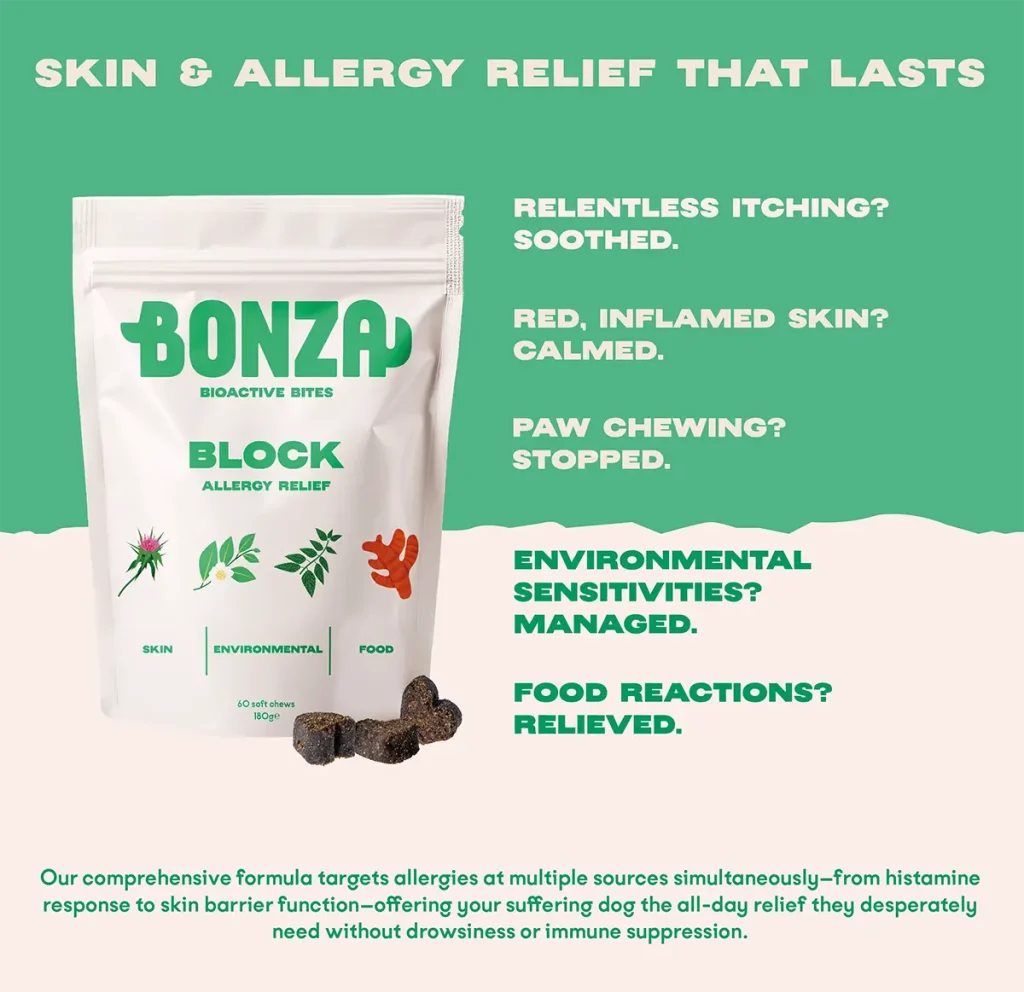
Block Bioactive Bites, next generation, clinically researched supplements for dogs with itchy skin, are vet-trusted soft chew supplements that combine potent natural antihistamines, skin nourishing nutrients, and immune-balancing botanicals to:
- Reduce your dog’s persistent itch – scratch cycle
- Calm allergic responses while soothing irritated, inflamed skin
- Support healthy skin barrier function and natural moisture balance
- Regulate immune reactions to common allergens without suppressing their immunity
- Strengthen resilience against environmental triggers with ongoing use
- Stabilise their system against food allergies and sensitivities
Formulated with ingredients clinically proven to target both allergies and skin health at their source, these effective chews deliver powerful relief in a form your dog will readily accept – making consistent daily treatment simple and stress-free.
Because when their scratching stops, your worrying does too.